

One of the biggest questions beginners have before their first camping trip is simple:
How much does it actually cost to start camping?
The answer depends on how you plan to camp, what gear you already own, and how comfortable you want your setup to be.
You don’t need to spend thousands of dollars to start camping. In fact, a simple car camping setup can be surprisingly affordable if you focus on the essentials and avoid buying unnecessary gear.
For many beginners, the biggest mistake isn’t spending too little.
It’s buying too much before they know what they actually need.
In this guide, we’ll break down the basic costs of starting camping and show you how to build a practical setup without wasting money.
How Much Does a Basic Camping Setup Cost?
For a basic car camping setup, a reasonable starting budget can be around $200 to $500, depending on the quality and type of gear you choose.
A more comfortable setup with better sleeping gear, cooking equipment, lighting, chairs, and other accessories can easily reach $500 to $1,000 or more.
Here’s a simple example:
| Camping Gear | Basic Budget |
|---|---|
| Tent | $60–$150 |
| Sleeping bag | $40–$100 |
| Sleeping pad | $30–$100 |
| Camping stove | $30–$70 |
| Cookware | $20–$60 |
| Cooler | $30–$80 |
| Camping chair | $20–$50 |
| Lantern/headlamp | $20–$50 |
| Water containers | $10–$30 |
| Basic accessories | $20–$50 |
These are general planning ranges rather than fixed prices. Gear prices vary considerably depending on brand, size, materials, sales, and where you shop.
The good news is that you don’t need to buy everything at once.
What Do You Actually Need to Start Camping?
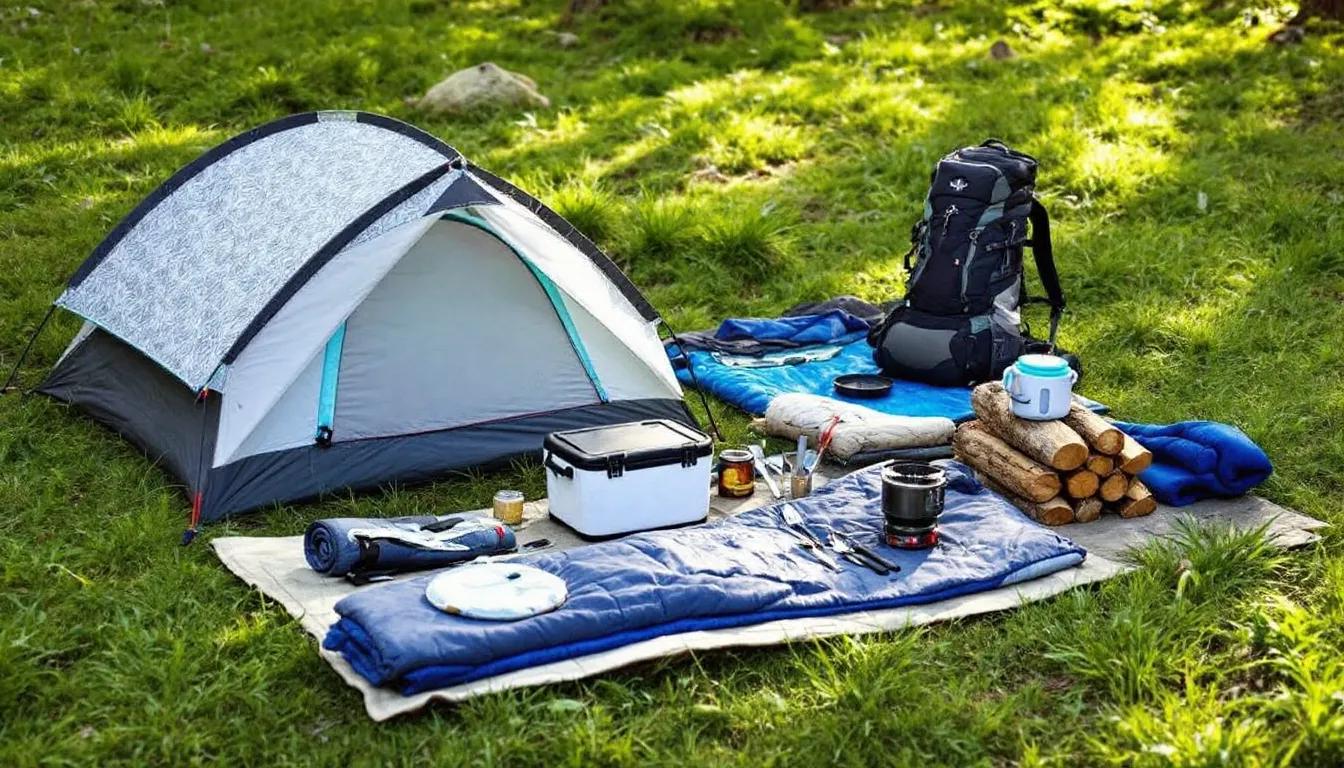
Before thinking about expensive camping gadgets, focus on the equipment that directly affects your safety and comfort.
Your basic setup should include:
Shelter
You’ll need a tent that is appropriate for the number of people camping and the weather conditions you expect.
For a beginner, a simple three-season tent is often enough for fair-weather camping.
If you’re not sure what to look for, read our guide on How to Choose a Tent for Camping: A Beginner’s Guide.
Sleeping System
Your sleeping system usually consists of:
- Sleeping bag
- Sleeping pad or air mattress
Don’t overlook the sleeping pad.
It isn’t just about comfort. It also helps insulate you from the cold ground.
You can compare your options in Sleeping Pad vs Air Mattress: Which Is Better for Camping?.
Cooking Equipment
If you plan to cook at your campsite, you’ll need some basic cooking equipment.
A simple setup could include:
- Camping stove
- Fuel
- Pot or pan
- Plate or bowl
- Cup
- Utensils
- Basic food-storage containers
You don’t need a complete outdoor kitchen for your first trip.
A simple stove and a few pieces of cookware can handle most beginner camping meals.
See How to Choose a Camping Stove: A Beginner’s Guide before buying one.
Water
Don’t forget to budget for water storage.
For car camping, a reusable water jug and a few water bottles can be enough for many trips.
You’ll need water for drinking, cooking, and basic cleanup.
For help estimating your needs, read How Much Water Should You Bring Camping?.
Lighting
At minimum, it’s a good idea to have a reliable light source.
A headlamp is especially useful because it keeps both hands free.
A lantern is useful for lighting your main campsite.
You can learn more in Camping Lantern vs Headlamp: Which One Do You Need?.
How Much Should You Spend on a Tent?
Your tent will usually be one of the larger purchases in your initial camping setup.
But more expensive doesn’t automatically mean better for every beginner.
A basic tent may be perfectly adequate for occasional summer or fair-weather camping.
You may want to spend more if you:
- Camp frequently
- Camp in difficult weather
- Need more interior space
- Want easier setup
- Need better durability
- Plan to use the same tent for several years
The most important thing is choosing a tent that matches your actual camping conditions.
There’s little benefit in buying an expensive expedition-style tent if you’re mostly doing weekend car camping in mild weather.
How Much Should You Spend on a Sleeping Bag?
Sleeping bags can range from relatively inexpensive models to highly specialized premium bags.
The right choice depends heavily on when and where you’ll camp.
For beginners, pay attention to the temperature rating rather than simply choosing the cheapest sleeping bag available.
A sleeping bag rated for colder conditions generally gives you more flexibility, but you should understand how temperature ratings work before comparing models.
Our guide to Sleeping Bag Temperature Ratings Explained for Beginners can help.
Also remember that your sleeping pad contributes to your overall sleeping comfort and insulation.
Where Should You Save Money?
You don’t necessarily need premium gear for every part of your camping setup.
Some areas where beginners can save money include:
Camping Kitchen Accessories
You probably don’t need specialized camping plates, utensils, cutting boards, and cookware for your first trip.
Some basic household items may work perfectly well for simple car camping.
Just make sure anything you bring is appropriate for outdoor use and easy to clean.
Camping Furniture
You don’t need the most expensive camping chair or table to enjoy a campsite.
A basic chair with a comfortable seat height and adequate weight capacity can work well.
If you’re comparing chairs, check out What Is the Best Camping Chair Height?.
Decorative or Convenience Gear
There are countless camping gadgets designed to make outdoor life more convenient.
Some are useful.
Many are completely optional.
Don’t feel like you need to recreate a luxury campsite on your first trip.
Start with what you need and upgrade after you’ve learned what you actually use.
Where Is It Worth Spending More?
Saving money doesn’t mean buying the cheapest version of everything.
There are a few areas where spending a little more can make a noticeable difference.
Sleeping Comfort
If you don’t sleep well, your entire camping trip can feel miserable.
A comfortable sleeping pad and suitable sleeping bag can be worth prioritizing.
Tent Quality
Your tent is your primary shelter.
If you regularly camp in rainy or windy conditions, durability, weather resistance, and proper design become more important.
Footwear and Clothing
Good outdoor clothing and footwear can make a major difference when temperatures change or the weather turns wet.
You don’t necessarily need specialized clothing for every situation, but avoid relying on clothing that isn’t appropriate for the conditions.
Safety and Emergency Equipment
Don’t try to save money by skipping basic safety equipment.
Depending on your trip, consider carrying:
- First-aid supplies
- Extra lighting
- Emergency communication equipment
- Navigation tools
- Extra food and water
- Weather-appropriate clothing
Your exact emergency gear should depend on where you’re camping and how remote the location is.
Can You Start Camping for Under $200?
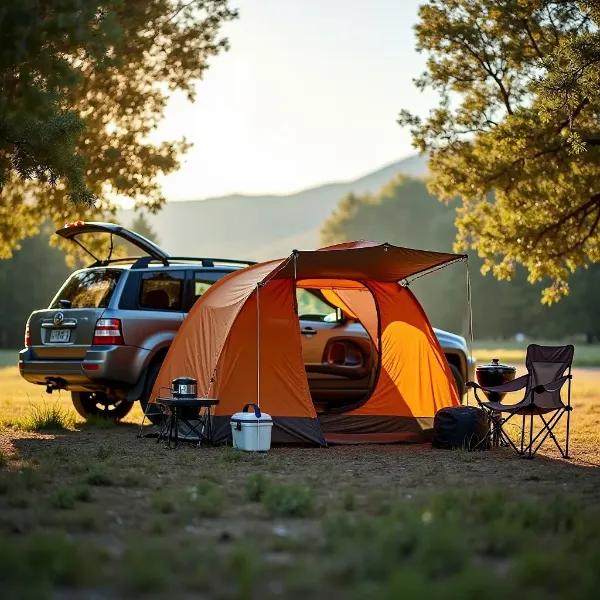
Yes, it is possible to put together a very basic setup for under $200, especially if you already own some household items.
For example, you might already have:
- Blankets
- Plates and utensils
- Water bottles
- A cooler
- Basic outdoor clothing
- Flashlights
You may also be able to borrow or rent some equipment.
However, don’t sacrifice safety or weather protection just to hit a specific budget.
A cheap tent that doesn’t handle expected weather well isn’t a bargain.
The Cheapest Way to Start Camping
One of the smartest ways to reduce your initial cost is to borrow before you buy.
Ask friends or family if they have camping gear sitting in storage.
You might be able to borrow:
- Tent
- Sleeping bags
- Camping chairs
- Cooler
- Stove
- Lantern
- Cooking equipment
Another option is buying quality used gear.
Outdoor equipment can last for years when properly cared for, so used gear can sometimes offer excellent value.
Just inspect important items carefully before buying them.
For example, check tents for damaged fabric, broken poles, missing components, and problems with zippers or waterproof coatings.
Don’t Buy Everything Before Your First Trip
This is probably the most important money-saving tip for beginners.
Your first camping trip will teach you what you actually need.
You might discover that:
- You prefer simple meals
- You need a larger tent
- You sleep better on a thicker pad
- You don’t use half of your cooking equipment
- You want a better camping chair
- You mostly camp during warm weather
- You prefer car camping instead of backpacking
That’s why it’s usually better to start with a basic setup and upgrade gradually.
If you want to avoid unnecessary purchases, read Camping Gear You Don’t Actually Need as a Beginner.
Example Beginner Camping Budgets
Here are three simple ways you could approach your initial setup.
Budget Setup: Around $200–$300
Focus on the absolute essentials.
- Basic tent
- Basic sleeping bag
- Sleeping pad
- Simple stove
- Basic cookware
- Cooler
- Lighting
- Water containers
This setup won’t be luxurious, but it can be enough for simple fair-weather car camping.
Comfortable Setup: Around $400–$700
This gives you more room to choose better equipment.
You could upgrade:
- Tent
- Sleeping pad
- Sleeping bag
- Camping chair
- Cooler
- Cooking equipment
- Lighting
This is a reasonable range for someone who expects to camp regularly.
More Complete Setup: $700+
At this level, you can start adding more specialized or premium equipment.
You might add:
- Higher-quality tent
- Premium sleeping system
- Larger cooler
- Better camping furniture
- More advanced cooking equipment
- Canopy or tarp
- Additional storage
- Specialized outdoor gear
But remember: spending more doesn’t automatically make camping more enjoyable.
The right gear is the gear that fits your camping style.
Don’t Forget the Cost of the Campsite
Your gear isn’t the only camping expense.
Depending on where you camp, you may also need to budget for:
- Campsite fees
- Park entrance fees
- Firewood
- Fuel
- Ice
- Food
- Drinking water
- Transportation
- Shower or facility fees in some campgrounds
Campsite prices can vary widely depending on the location, season, campground, and amenities.
Always check the current rules and fees before your trip.
Final Thoughts
So, how much does it cost to start camping?
For a basic car camping setup, around $200–$500 can be a realistic starting point, while a more comfortable setup may cost $500–$1,000 or more.
But you don’t need to spend all of that before your first trip.
Start with the essentials. Borrow what you can. Buy used when it makes sense. Spend more on the equipment that directly affects your comfort and safety.
Most importantly, don’t buy camping gear just because it looks useful online.
Go camping first.
Then let your actual experience tell you what to buy next.
That’s one of the easiest ways to build a camping setup you will actually use.
Want to learn more? Check out these related camping guides: