
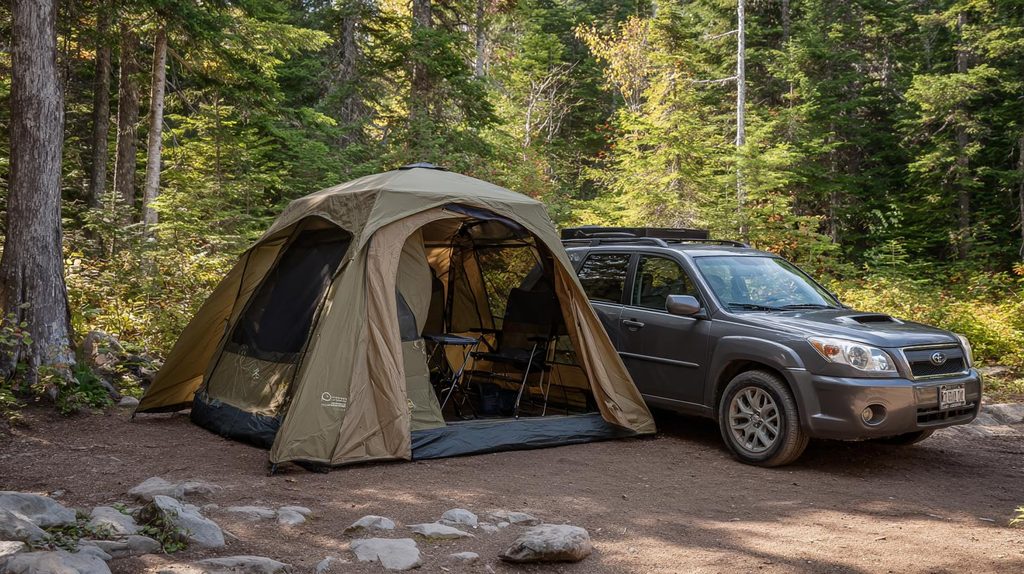
Starting camping for the first time can be surprisingly expensive.
Once you start looking at camping gear, you’ll find all kinds of gadgets, accessories, kitchen equipment, storage systems, and high-tech products designed to make camping more comfortable.
The problem is that you don’t actually need most of them for your first camping trip.
A simple setup with a tent, sleeping system, food, water, and a few basic items can be enough to have a great camping experience.
In fact, buying too much gear too early can make camping more complicated, expensive, and difficult to organize.
This guide covers the camping gear beginners often don’t need, what you can skip, and where your money is better spent.
Why Beginners Often Buy Too Much Camping Gear
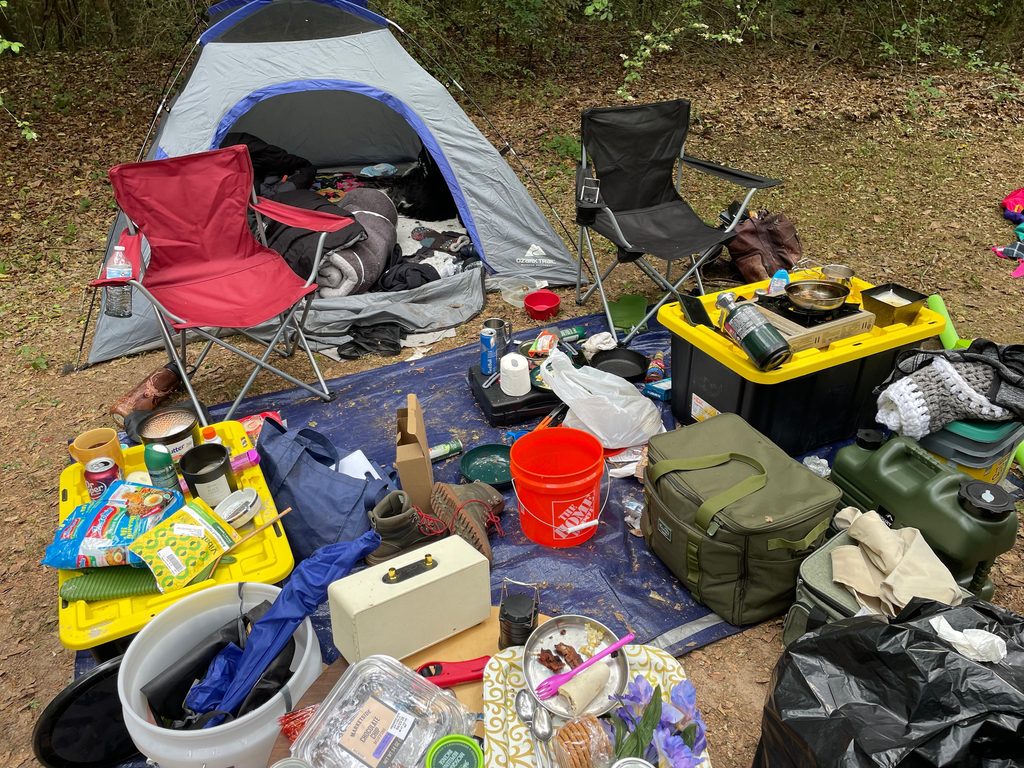
Camping gear is easy to accumulate.
You might buy a tent, then realize you need a table. Then you see a special camping kitchen system, portable shower, power station, inflatable sofa, storage boxes, and dozens of other accessories.
Before your first trip, you can easily end up with hundreds or even thousands of dollars of gear.
But there’s an important question to ask before buying anything:
Will this actually make my camping trips better, or does it simply look useful?
Many camping accessories are convenient, but convenience isn’t the same as necessity.
For your first few trips, it’s usually better to start with the basics and figure out what you actually need through experience.
1. You Probably Don’t Need a Huge Camping Kitchen
A full outdoor kitchen can look impressive, but most beginners don’t need one.
You can prepare simple camping meals with:
- A small camping stove
- One or two pots or pans
- Basic utensils
- A cooler
- A cutting board
- A few food containers
If you’re only camping for a weekend, that’s often enough.
You don’t need a dedicated outdoor kitchen cabinet, multiple burners, specialty cookware, or a large collection of camping utensils.
Start simple.
As you camp more often, you’ll naturally discover which kitchen upgrades are actually useful for you.
2. You Don’t Need a Large Camping Table
A big camping table can be useful, but it’s not essential for every trip.
If you’re camping alone or with one other person, a large table may take up unnecessary space in your vehicle.
You can often use:
- A small folding table
- A picnic table at the campground
- The tailgate of your vehicle
- A compact cooking surface
Before buying a large camping table, consider the type of campsites you’ll usually visit.
If most of your campgrounds already provide picnic tables, you may not need one at all.
3. You Probably Don’t Need Multiple Camping Chairs
One comfortable camping chair per person is usually enough.
It’s easy to buy extra chairs because they’re inexpensive and convenient, but they quickly take up valuable storage space.
For a couple camping together, two good chairs are usually more useful than four cheap chairs.
Choose something comfortable and durable rather than collecting several different styles.
You can always add another chair later if you actually need it.
4. You Don’t Need a Portable Camping Shower for Most Trips
Portable showers can be useful in certain situations, especially for longer trips, beach camping, or remote areas.
But for many beginners, they’re unnecessary.
Most developed campgrounds have bathrooms and sometimes showers.
If you’re only spending one or two nights camping, you may not need a dedicated shower system at all.
A small water container and basic hygiene supplies can handle many short trips.
5. You Don’t Need an Expensive Portable Power Station
Portable power stations have become extremely popular among campers.
They’re useful for charging phones, running small appliances, powering lights, and supporting longer trips.
But if you’re a beginner doing basic car camping, you may not need a large power station immediately.
For a simple weekend trip, you can often rely on:
- Your vehicle
- A phone power bank
- Rechargeable lanterns
- USB-powered devices
- Your vehicle’s charging ports
A large power station becomes more useful when your camping style changes.
For example, you might want one if you regularly work remotely while camping, run larger electronics, or spend several days away from electrical hookups.
Until then, save the money.
6. You Don’t Need a Dozen Camping Lanterns
Lighting is important when camping, but you don’t need a collection of lights.
A simple setup can include:
- One headlamp per person
- One lantern for the main campsite
- A small backup light
That’s usually enough.
A headlamp is particularly useful because it keeps your hands free while cooking, setting up your tent, or walking around after dark.
If you’re trying to save money, prioritize a good headlamp before buying decorative campsite lights.
7. You Don’t Need Specialized Camping Cookware
Camping cookware can become an expensive rabbit hole.
You’ll find titanium pots, nesting cookware sets, cast-iron cookware, specialty coffee equipment, camping knives, folding utensils, and many other products.
But beginners can often start with simple cookware they already own.
For car camping, weight isn’t usually a major concern.
A basic pot or pan from your kitchen can work perfectly well as long as you’re comfortable transporting and cleaning it.
You can upgrade to dedicated camping cookware later.
8. You Don’t Need a Camping Coffee Station
If you’re a serious coffee drinker, a dedicated coffee setup might eventually become one of your favorite pieces of camping gear.
But you don’t need one to start camping.
Instant coffee, a simple pour-over setup, or a basic camping coffee maker can be enough.
There’s no need to immediately buy a specialty grinder, kettle, espresso maker, storage system, and coffee accessories.
Start with the simplest method that gives you coffee you actually enjoy.
9. You Don’t Need Expensive Camping Storage Systems
Organization is useful, but beginners often overdo it.
You don’t necessarily need expensive modular storage boxes designed specifically for camping.
For car camping, simple plastic bins can work extremely well.
You can organize them by category:
- Cooking
- Food
- Lighting
- Clothing
- Safety
- Miscellaneous gear
Clear labels can make finding things much easier.
If your storage system becomes difficult to manage, that’s a sign that you may simply have too much gear.
10. You Don’t Need Every Camping Gadget You See Online
This is probably the biggest rule for beginners.
There are countless camping gadgets designed to solve very specific problems.
Some are genuinely useful.
Others solve problems you didn’t know existed.
Before buying a gadget, ask yourself:
Do I actually have this problem when I camp?
If the answer is no, don’t buy it yet.
You can always purchase it later if you discover that you need it.
11. You Don’t Need the Most Expensive Tent
This doesn’t mean you should buy the cheapest tent available.
Your tent is important because it protects you from weather and gives you a place to sleep.
But beginners don’t necessarily need an expensive premium tent.
Instead, focus on:
- Appropriate size
- Weather protection
- Reliable construction
- Easy setup
- Good ventilation
- A design that matches your camping style
A simple, well-designed tent can be perfectly adequate for weekend car camping.
Learn more about choosing a tent in our guide to How to Choose a Tent for Camping.
12. You Don’t Need Expensive Camping Furniture
Camping furniture can quickly become a major part of your gear budget.
You might see:
- Camping sofas
- Folding beds
- Outdoor cabinets
- Footrests
- Side tables
- Reclining chairs
- Hanging organizers
These can make a campsite more comfortable, but they aren’t necessary for beginners.
Your first setup can be as simple as:
Tent + sleeping system + chair + basic cooking setup.
That’s enough to get started.
13. You Don’t Need a Giant Cooler
A huge cooler isn’t always better.
If you’re only camping for one or two nights, a medium-sized cooler may be easier to carry, organize, and keep cold.
A larger cooler also requires more ice and takes up more room in your vehicle.
Choose your cooler based on:
- Number of people
- Trip length
- Food requirements
- Available vehicle space
Learn more about keeping food cold in our guide to How to Keep Food Cold While Camping Without a Fridge.
14. You Don’t Need a Camping Generator for Basic Trips
A generator can be useful for certain types of camping, but it’s unnecessary for most beginners.
If you’re camping at a developed campground for a weekend, you can usually keep your power needs very simple.
Phones, lanterns, and other small electronics can often be handled with rechargeable batteries or power banks.
Generators also add:
- Weight
- Fuel
- Noise
- Maintenance
- Storage requirements
Unless you have a specific reason to need one, skip it when you’re building your first camping setup.
What Should You Spend Your Money On Instead?
Skipping unnecessary gear doesn’t mean you should buy the cheapest possible equipment.
Some items deserve more attention.
Spend More on Your Sleeping System
A comfortable sleeping system can make a huge difference.
Consider investing in:
- A suitable sleeping bag
- A comfortable sleeping pad
- Appropriate clothing
- A pillow or comfortable alternative
A great campsite won’t feel great if you can’t sleep.
Check out our guides on Sleeping Bag Temperature Ratings and Sleeping Pad vs Air Mattress for more information.
Spend More on Weather Protection
Your tent and rain protection are also worth prioritizing.
A tent that leaks or doesn’t ventilate properly can turn a relaxing weekend into a miserable one.
Focus on practical features rather than premium branding.
Spend More on Safety
Safety equipment should never be an afterthought.
Depending on your trip, consider carrying:
- First-aid supplies
- Reliable lighting
- Extra water
- Weather-appropriate clothing
- Navigation tools
- Emergency communication options
You may never need some of these items, but they’re much more important than decorative camping gadgets.
A Simple Beginner Camping Setup
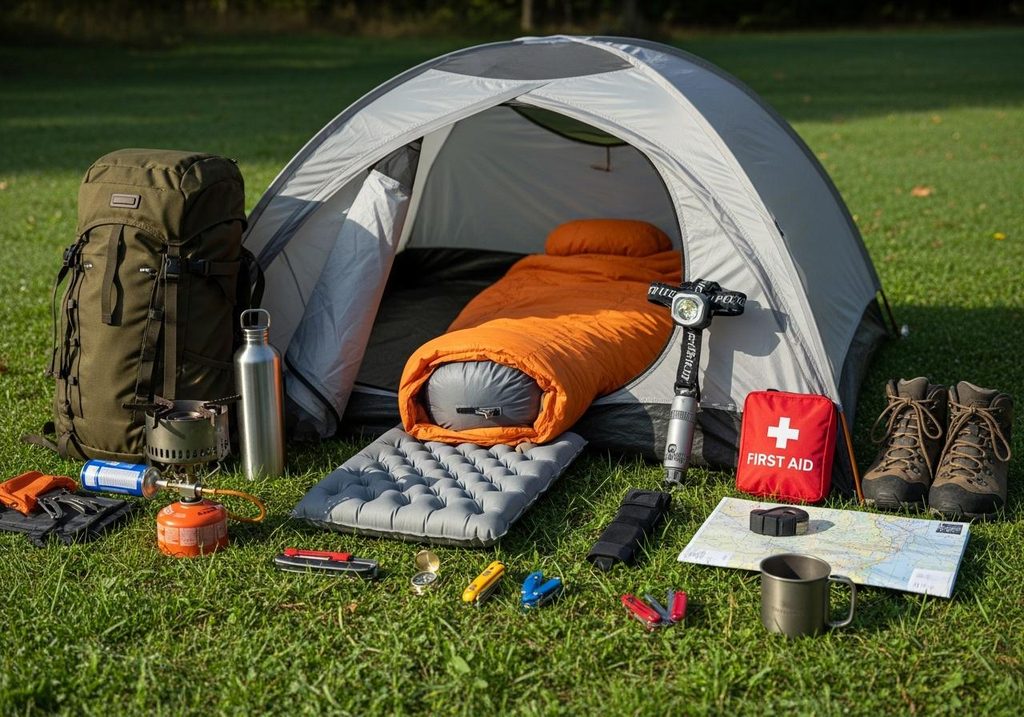
If you want to keep your first setup simple, start with these categories.
Essential Gear
- Tent
- Sleeping bag
- Sleeping pad
- Camping stove
- Basic cookware
- Cooler
- Water
- Headlamp
- Lantern
- Camping chair
Useful but Optional
- Small camping table
- Extra storage bins
- Camp coffee setup
- Portable shower
- Power bank
- Extra tarp
- Additional lighting
Buy Later
- Large power station
- Generator
- Large kitchen system
- Premium camping furniture
- Specialty cookware
- Extensive storage systems
- Luxury camping gadgets
This approach lets you spread your spending over time instead of buying everything at once.
The Best Camping Gear Is Gear You Actually Use
One of the easiest mistakes beginners make is confusing more gear with better camping.
It doesn’t work that way.
A campsite with 30 pieces of equipment isn’t necessarily better than a campsite with 10 well-chosen items.
The goal is to build a setup that matches the way you actually camp.
If you mostly take short weekend trips, your setup should be different from someone spending weeks off-grid.
If you camp from an SUV, you can bring more equipment than a backpacker.
Your camping style should determine your gear—not the other way around.
Use Your First Few Trips to Build Your Gear List
You don’t have to get everything right before your first trip.
In fact, it’s almost impossible to know exactly what you’ll need until you start camping.
After each trip, make a simple list:
What did I use?
What did I wish I had?
What did I bring but never touch?
This gives you much better information than simply reading product lists online.
Over time, you’ll develop a camping setup that fits your needs, budget, vehicle, and camping style.
Final Thoughts
You don’t need a garage full of camping equipment to enjoy the outdoors.
For beginners, a simple setup is often better.
Start with the essentials, use what you already own when practical, borrow or buy used gear when it makes sense, and upgrade only when you discover a real need.
The goal isn’t to own the most camping gear.
The goal is to spend less time managing your gear and more time enjoying your trip.
Want to learn more? Check out these related camping guides:
→ Camping Gear for Beginners: What Do You Actually Need?
→ Camping Checklist for Beginners: What to Pack for Your First Trip