
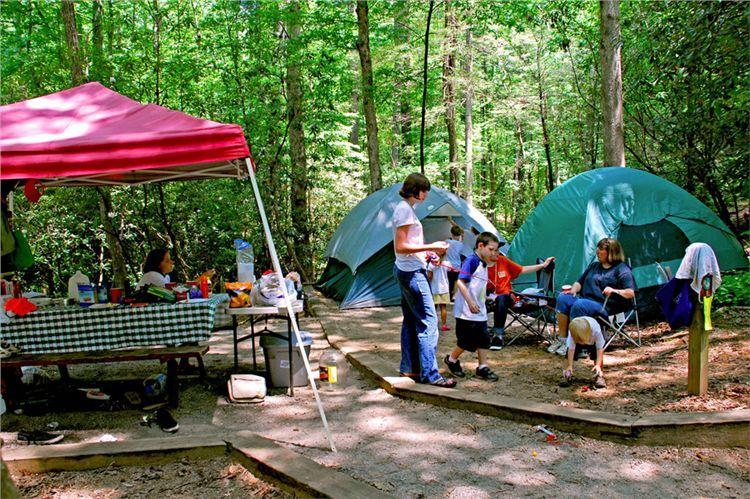
Buying your first camping tent sounds simple.
Then you start shopping.
Two-person tent.
Three-person tent.
Four-person tent.
Three-season.
Four-season.
Freestanding.
Ultralight.
Instant setup.
Suddenly, choosing a tent feels like buying a car.
Don’t worry.
For most first-time car campers, choosing a tent is much simpler than the product pages make it seem.
You mainly need to answer four questions:
- How many people will sleep in it?
- How much space do you want?
- What weather will you camp in?
- How much weight and packed size actually matter to you?
Let’s break it down.
First: Don’t Take the “Person” Rating Too Literally
This is probably the biggest beginner mistake.
A tent labeled “2-person” is designed to sleep two people.
That doesn’t necessarily mean it will comfortably hold two adults plus clothing, backpacks, shoes, and other gear.
The National Park Service specifically points out that a two-person tent means sleeping space for two people—not two people plus all their gear or pets.
If you’re car camping and don’t need to carry your tent far, going one size larger can be a very reasonable choice.
A simple rule
1 person: 1–2 person tent
2 people: 3-person tent if you want extra room
2 people + dog: 3–4 person tent
3 people: 4-person tent
4 people: 5–6 person tent if comfort matters
These aren’t hard rules.
They’re simply a good starting point.
Car Camping vs Backpacking Changes Everything
Before buying a tent, figure out how you’re going to use it.
If you’re driving directly to your campsite, weight is usually less important.
You might happily choose a larger tent with more interior space.
If you’re hiking several miles with the tent on your back, every extra pound starts to matter.
That’s why a tent that makes perfect sense for a family car-camping trip might be a terrible choice for a backpacking trip.
For Veymivo’s beginner camping audience, I’d recommend choosing based on how you actually plan to camp, not based on what looks impressive on a gear website.
Three-Season vs Four-Season Tents
For most beginners camping in spring, summer, and fall, a three-season tent is the normal starting point.
Three-season tents are designed for conditions such as:
- Rain
- Wind
- Warm weather
- Shoulder-season camping
Four-season tents are designed for more demanding conditions, particularly serious winter use and snow.
If you’re planning normal campground camping in the summer, you almost certainly don’t need a mountaineering-style four-season tent.
Don’t spend money on features you won’t use.
Freestanding vs Non-Freestanding
A freestanding tent can stand on its own with its poles installed, which makes setup relatively straightforward.
This can be convenient for beginners and for campsites where you want some flexibility when positioning the tent.
Non-freestanding tents typically depend more on stakes and guy lines.
They’re common in lightweight backpacking gear because they can reduce weight.
For your first car-camping tent, a simple freestanding design is often the easiest place to start.
How Much Headroom Do You Need?
Floor space isn’t the only thing that matters.
Pay attention to:
- Peak height
- Tent shape
- Door placement
- Vestibule space
- Interior pockets
- Number of doors
A taller tent can make changing clothes much easier.
Multiple doors can also be a big deal when two people are sharing a tent.
Nobody wants to crawl over their sleeping partner at 2 a.m. because the bathroom is calling.
Don’t Forget the Vestibule
A vestibule is covered space outside the sleeping area.
It’s extremely useful.
You can leave:
- Muddy shoes
- Wet jackets
- Small bags
- Other gear
outside your sleeping area while keeping them protected from rain.
This can make a smaller tent feel much more practical.
Pay Attention to the Rainfly
A tent’s rainfly provides important weather protection.
Before buying, look at how much of the tent the rainfly covers.
A partial rainfly may be fine in some conditions, but if you’re expecting significant rain, you’ll generally want a setup designed to provide appropriate coverage and ventilation.
Also learn how the tent is supposed to be pitched.
A poorly installed rainfly can turn a perfectly good tent into a wet bedroom.
Ventilation Matters More Than Beginners Expect
A tent can keep rain out while still developing condensation inside.
That’s why ventilation matters.
Look for:
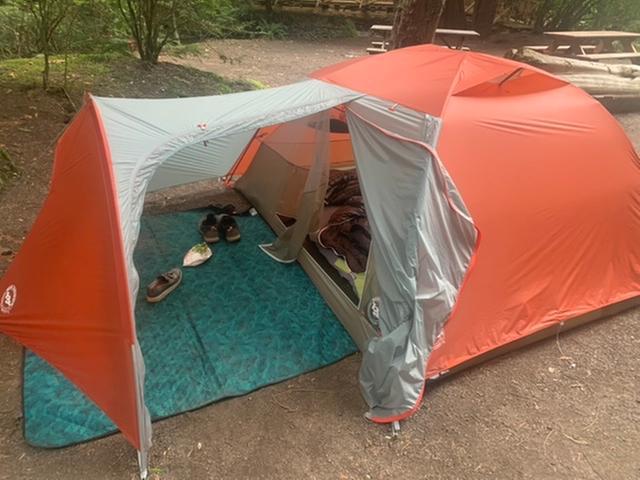
- Mesh panels
- Windows
- Roof vents
- Adjustable vents
- A well-designed rainfly
Condensation is especially noticeable when the temperature drops overnight.
Keeping vents open when conditions allow can help improve airflow.
What About Tent Materials?
You don’t need to become a materials scientist before buying your first tent.
You’ll commonly encounter fabrics such as:
- Polyester
- Nylon
- Canvas
Synthetic tents such as polyester and nylon are common because they’re relatively light and pack down easily.
Canvas tents can be heavier but offer a very different camping experience and are popular in certain car-camping and long-term base-camp setups.
For most beginners, a conventional synthetic tent is the easiest starting point.
How Much Should You Spend?
You don’t need to spend hundreds or thousands of dollars on your first tent.
The right budget depends on how frequently you plan to camp and the conditions you’ll encounter.
If you’re only planning two or three campground trips per year, a reasonably priced tent may be perfectly adequate.
If you already know you’re going to camp several weekends every month, spending more on durability, weather protection, ventilation, and convenience can make sense.
The important thing is to spend money on features you’ll actually use.
Test Your Tent Before the Trip
This is one of the simplest pieces of advice I can give a new camper:
Set the tent up at home.
Don’t wait until you’re at the campground.
Practice:
- Unpacking the tent
- Identifying the poles
- Attaching the poles
- Installing the rainfly
- Using the doors and zippers
- Packing everything back into the bag
It might take 20 minutes at home.
That can save you a lot of frustration at a campsite.
Where Should You Set Up Your Tent?
Once you arrive at the campground, don’t immediately throw the tent down.
Walk around your campsite first.
Look for:
- Level ground
- Drainage
- Dead branches overhead
- Large rocks
- Ant hills or obvious insect activity
- Areas that could collect water
The National Park Service recommends avoiding low areas that can become wet and avoiding locations beneath dead trees or branches that could fall.
Also keep a safe distance from your cooking area and fire ring.
Don’t Forget the Footprint
A footprint or groundsheet can protect the bottom of your tent, depending on the tent design.
But don’t assume you should buy a huge tarp and let it stick out around the edges.
If water can collect between the exposed tarp and the bottom of your tent, you may actually create a problem.
Use the footprint designed for your tent or make sure a properly sized groundsheet is tucked underneath.
What Size Tent Should You Buy?
Here’s the simplest recommendation for a beginner:
Solo camper
A 1–2 person tent is usually enough.
Couple
A 3-person tent can provide a nice balance between sleeping space and comfort.
Couple + dog
Consider a 3–4 person tent depending on the size of the dog and how much gear you keep inside.
Family of four
A 5–6 person tent may be much more comfortable than a strict four-person model.
Remember that these are starting points, not rules.
If you like lots of space, size up.
If you’re backpacking, weight may matter more than floor space.
The Best Tent Is the One You’ll Actually Use
It’s easy to get distracted by specifications.
Hydrostatic head.
Denier.
Pole materials.
Packed dimensions.
Ventilation.
Seam sealing.
These things matter, but the most expensive tent isn’t automatically the best tent for you.
A good beginner tent should:
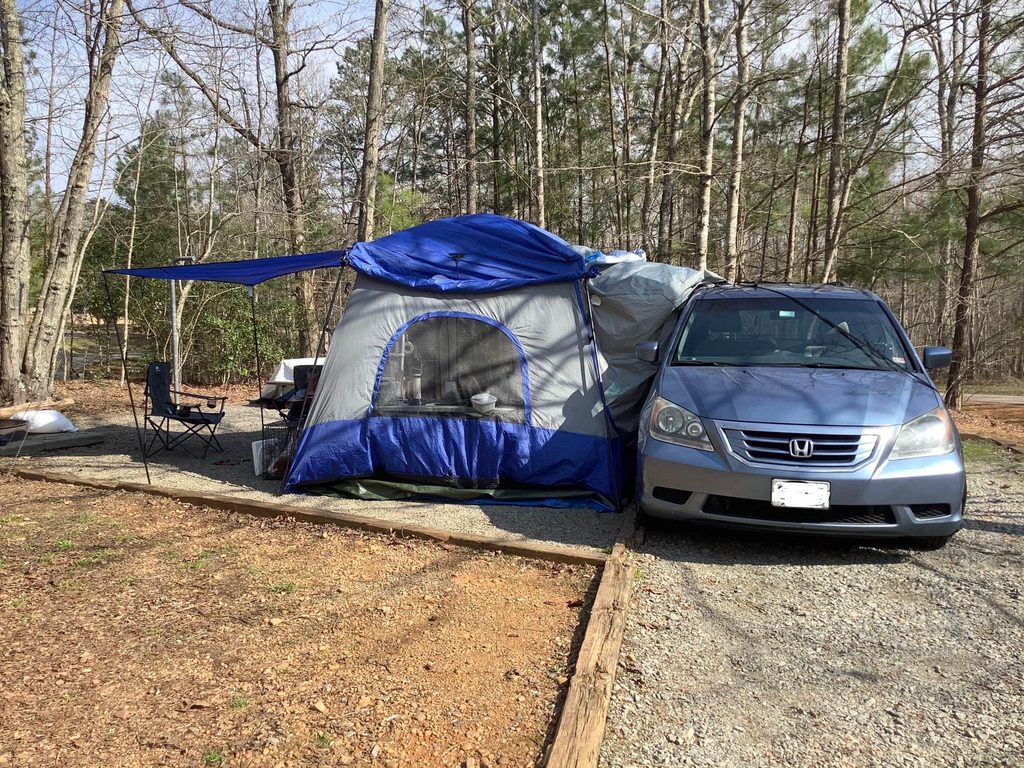
- Fit everyone comfortably
- Keep weather out
- Have reasonable ventilation
- Be easy to set up
- Fit your camping style
- Fit your budget
That’s it.
Once you’ve spent a few nights outdoors, you’ll have a much better idea of which features matter to you.
And that’s when buying your second tent becomes a lot more fun.
Final Thoughts
If you’re buying your first camping tent, don’t overcomplicate it.
Start by deciding whether you’ll be car camping or backpacking.
Then choose the number of people, add some extra space if you value comfort, and select a tent appropriate for the weather you’ll actually encounter.
For most beginners doing campground or car camping, a simple three-season freestanding tent is a great place to start.
Set it up at home before your first trip, learn how everything works, and you’ll already have one less thing to worry about when you arrive at camp.
Your first tent doesn’t have to be perfect. It just needs to get you outside.