
How to Choose a Sleeping Bag for Camping: A Beginner’s Guide
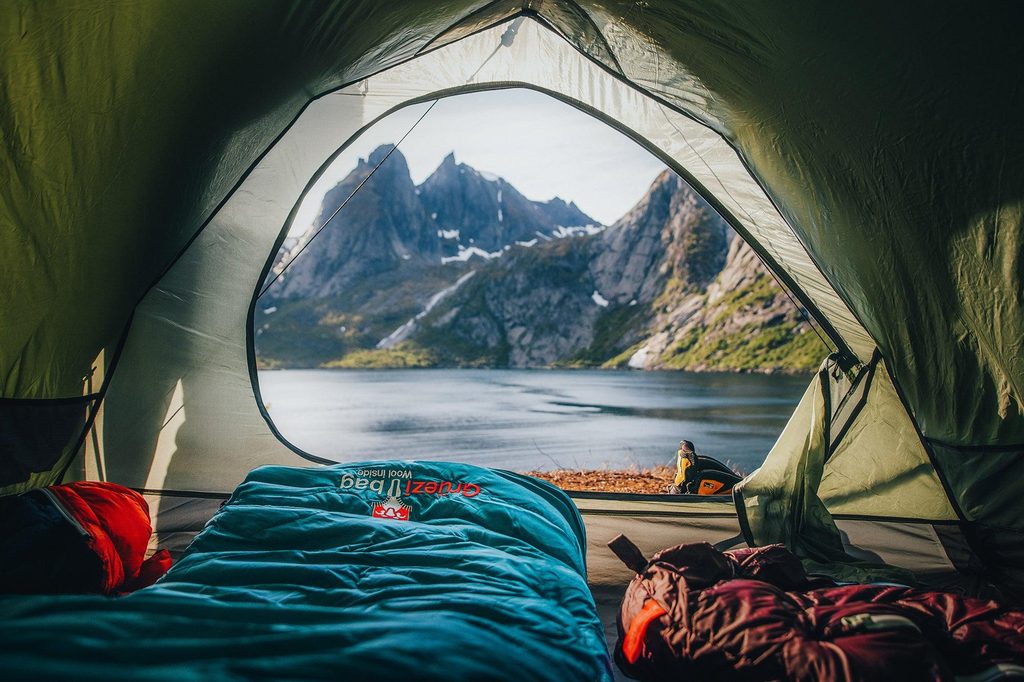
Choosing your first sleeping bag can feel surprisingly complicated.
There are different temperature ratings, shapes, insulation types, sizes, and price points. Some sleeping bags are designed for backpacking, while others are made specifically for comfortable nights at a campground.
The good news is that you don’t need to understand every technical detail to choose the right one.
For most beginners, the most important things to consider are temperature rating, insulation, shape, size, and the type of camping you plan to do.
If you’re just getting started, this guide will walk you through everything you need to know before buying a sleeping bag.
What Should You Look for in a Sleeping Bag?
Before comparing brands or prices, think about how and where you’ll use your sleeping bag.
The most important factors are:
- Temperature rating
- Insulation type
- Sleeping bag shape
- Size and fit
- Weight and packability
- Camping style
- Your personal sleeping habits
For car camping, comfort and warmth are usually more important than saving every ounce of weight. You can keep a heavier sleeping bag in your vehicle without worrying about carrying it for miles.
Backpacking is different. If you’re hiking several miles with all your gear, weight and packability become much more important.
So don’t automatically buy the lightest or most expensive sleeping bag you can find. Buy the one that matches the way you actually camp.
Sleeping Bag Temperature Ratings Explained
Temperature rating is one of the most important things to understand before buying a sleeping bag.
A sleeping bag’s temperature rating gives you an idea of the conditions it’s designed to handle. However, the rating isn’t a guarantee that every person will feel warm at that temperature.
Your sleeping pad, clothing, shelter, humidity, wind, and even whether you naturally sleep hot or cold can affect how warm you feel.
What Does a Sleeping Bag Temperature Rating Mean?
Modern sleeping bags may use standardized temperature testing, including ISO or EN standards, which makes it easier to compare products from different manufacturers.
You may see terms such as:

- Comfort rating
- Lower limit
- Extreme rating
The comfort rating represents a temperature at which a colder sleeper may still feel comfortable.
The lower-limit rating represents a colder temperature at which a warmer sleeper may still be comfortable.
Because people sleep differently, it’s usually safer for beginners to choose a little more warmth than they think they need.
How Cold Should Your Sleeping Bag Be Rated?
Start with the coldest nighttime temperature you realistically expect during your trips.
Then give yourself some extra margin.
For example, if the overnight low could reach around 30°F, you may want to look for a sleeping bag rated below that temperature rather than buying one rated exactly at 30°F.
For car camping, consider the coldest temperatures you may encounter and choose a sleeping bag rated about 10–15°F lower than those conditions to provide an extra margin of warmth.
It’s also easier to cool down in a warm sleeping bag by opening the zipper than it is to make an under-insulated sleeping bag warmer on a freezing night.
What Temperature Rating Do You Need for 3-Season Camping?
There’s no single temperature rating that works for every location.
A summer campsite in Florida is very different from a fall campsite in the Rocky Mountains or a spring campsite in Canada.
As a general starting point:
- Warm summer camping: around 40°F or higher
- Mild 3-season camping: around 30°F
- Cooler 3-season camping: around 20°F
- Cold-weather camping: 10°F or lower
These are only starting points. Always check the actual overnight temperatures for the destination and season you’re planning to camp in.
Down vs. Synthetic Sleeping Bags: Which Is Better?
Sleeping bags generally use either down insulation, synthetic insulation, or a combination of both.
Neither is automatically better.
The right choice depends on your budget, camping conditions, and priorities.
Down Sleeping Bags
Down insulation is known for being lightweight, warm, and highly compressible.
High-quality down can provide excellent warmth without adding much weight or bulk.
The downside is moisture.
When down becomes wet, it can lose much of its insulating ability and can take longer to dry.
Down sleeping bags also tend to be more expensive.
For dry conditions and campers who care about weight and packability, down can be an excellent choice.
Synthetic Sleeping Bags
Synthetic insulation is usually less expensive than down and performs more predictably in damp conditions.
Synthetic bags also tend to be easier to care for and are often a practical choice for beginners.
They’re usually heavier and bulkier than comparable down bags, but that’s often not a major concern for car camping.
If you’re mostly camping at established campgrounds and want something affordable and easy to maintain, synthetic insulation can make a lot of sense.
Which Is Better for Wet Conditions?
If you’re regularly camping in wet or humid environments, synthetic insulation is worth serious consideration.
Down can still work well in damp conditions when properly protected, but moisture management becomes more important.
For a first sleeping bag, think about the environments where you’ll actually camp rather than simply choosing the most technically impressive material.
Sleeping Bag Shapes Explained
Sleeping bags come in several basic shapes.
The shape affects both comfort and warmth.
Mummy Sleeping Bags
Mummy bags taper toward the feet and usually include a hood.
Because they leave less empty space around your body, they can retain heat efficiently.
They’re especially popular for backpacking and colder conditions.
The tradeoff is that they can feel restrictive if you like to move around while sleeping.
Semi-Rectangular Sleeping Bags
Semi-rectangular bags offer a compromise between warmth and freedom of movement.
They provide more room than a traditional mummy bag while still retaining heat relatively efficiently.
They’re a good option for campers who don’t like feeling tightly wrapped up.
Rectangular Sleeping Bags
Rectangular bags provide the most freedom of movement.
They’re often comfortable for car camping, summer camping, and people who prefer to sleep on their side or move around during the night.
The extra space can make them less thermally efficient than a more fitted bag.
Double Sleeping Bags
Double sleeping bags are designed for two people.
They’re convenient for couples who want to sleep together, although they are generally larger and heavier than individual bags.
For car camping, that extra size may not be a major concern.
How to Choose the Right Sleeping Bag Size
A sleeping bag shouldn’t be extremely tight, but it shouldn’t be dramatically oversized either.
You need enough room to move comfortably without creating large pockets of unused air.
An oversized bag can be harder for your body to warm.
Check the manufacturer’s interior dimensions and choose a size that matches your height and body shape.
If you are tall, look for a long version.
If you need extra shoulder or hip room, consider a wide version.
Side sleepers may also prefer a little more space than someone who sleeps mostly on their back.
A properly fitted sleeping bag should feel comfortably snug around your body while still allowing enough room to move naturally.
What Sleeping Bag Should You Get for Car Camping?
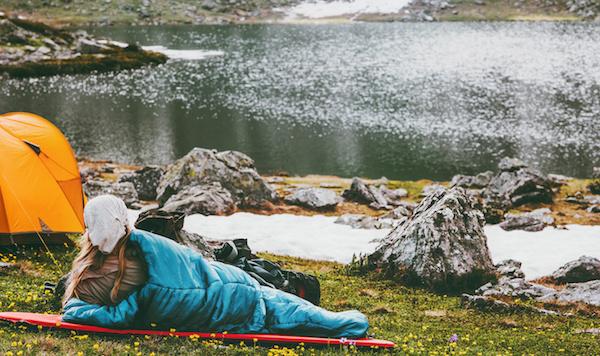
If you’re primarily car camping, you have much more flexibility than a backpacker.
You don’t have to worry as much about:
- Weight
- Packed size
- Ultralight materials
Instead, you can prioritize:
- Comfort
- Warmth
- Roominess
- Durability
- Ease of cleaning
- Price
A wider rectangular or semi-rectangular sleeping bag can be a great choice for car camping if you value comfort.
Backpacking bags are usually lighter and more compact, but you don’t necessarily need those features if your sleeping bag is going directly from your closet into your car.
Don’t Forget Your Sleeping Pad
A sleeping bag isn’t the entire sleep system.
Your sleeping pad is also extremely important.
The ground underneath your tent can pull heat away from your body, which is why a sleeping pad provides both cushioning and insulation.
A warm sleeping bag paired with an inadequate sleeping pad may still leave you feeling cold.
Sleeping pad insulation is commonly measured using an R-value. Higher R-values provide more insulation from cold ground.
This is especially important when camping during colder seasons.
Common Sleeping Bag Mistakes Beginners Make
Buying Based Only on Price
The cheapest sleeping bag isn’t always the best value.
Look at temperature rating, insulation, fit, and intended use before comparing prices.
Buying a Bag That’s Too Warm
A very warm sleeping bag can become uncomfortable during mild summer nights.
Think about the temperatures you’ll actually encounter.
Buying a Bag That’s Too Cold
This is the more serious mistake.
If you’re deciding between two bags and expect to camp in unpredictable temperatures, having a little extra warmth is often more useful.
Ignoring the Sleeping Pad
Your sleeping bag and sleeping pad work together.
Don’t spend your entire gear budget on a sleeping bag while using an extremely thin or poorly insulated pad.
Buying a Backpacking Bag for Car Camping
There’s nothing wrong with using one, but you may be paying extra for lightweight materials and compactness that you don’t actually need.
Sleeping Bag Buying Checklist
Before buying a sleeping bag, ask yourself:
☐ What is the coldest temperature I expect?
☐ Am I a warm sleeper or a cold sleeper?
☐ Do I prefer a snug or roomy sleeping bag?
☐ Am I car camping or backpacking?
☐ Do I camp in wet or humid conditions?
☐ Do I want down or synthetic insulation?
☐ Does the size fit my height and body shape?
☐ Do I have a sleeping pad with enough insulation?
If you can answer those questions, you’re already much closer to finding the right sleeping bag.
Final Thoughts
Choosing a sleeping bag doesn’t have to be complicated.
Start with the temperature rating, then consider insulation, shape, size, and your camping style.
For most beginners who primarily go car camping, comfort and appropriate warmth are more important than having the lightest sleeping bag possible.
And remember: the best sleeping bag isn’t necessarily the most expensive one. It’s the one that keeps you comfortable in the conditions where you actually camp.
If you’re building your camping setup from scratch, your next step should be making sure you have the right sleeping pad, tent, and basic camping gear to go with it.
How to Choose a Sleeping Bag for Camping
→ Sleeping Bag Temperature Ratings Explained for Beginners
→ How to Choose the Right Sleeping Bag for Your Camping Trip
→ Down vs Synthetic Sleeping Bags: Which Is Better?
→ How to Set Up a Comfortable Camping Sleep System