
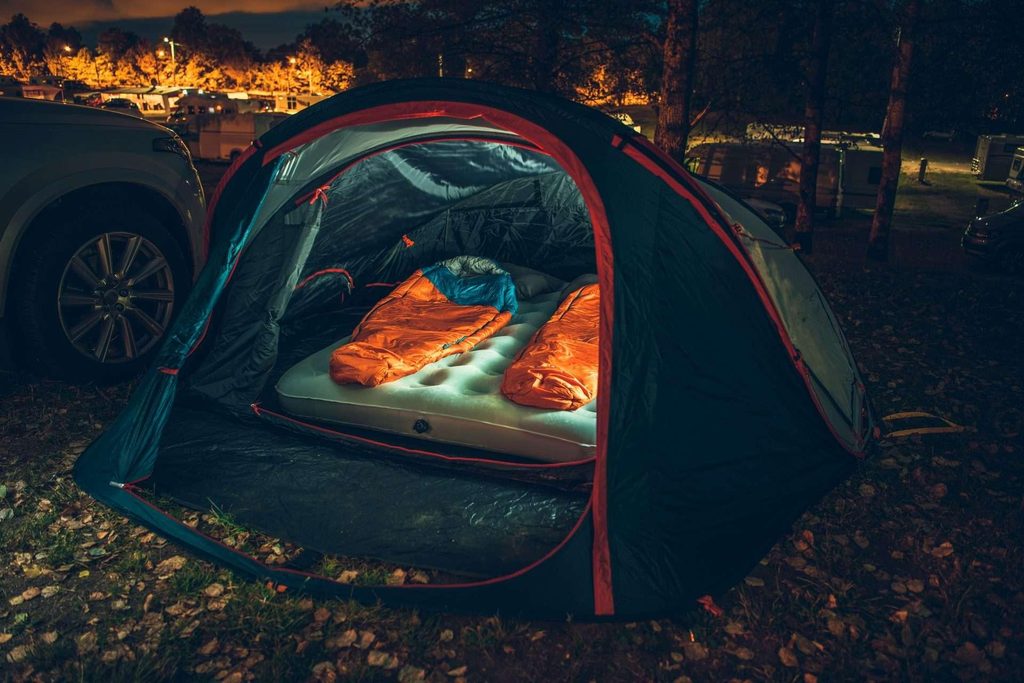
Choosing a sleeping bag can be confusing, especially when you see temperature ratings like 20°F, 30°F, or 40°F on the label.
If you’re new to camping, you might assume that a sleeping bag rated for 20°F means you’ll always be comfortable sleeping in 20°F weather. That’s not quite how it works.
Understanding sleeping bag temperature ratings can help you choose the right bag for the type of camping you actually plan to do.
This beginner-friendly guide explains what sleeping bag temperature ratings mean, how to choose the right rating, and what other factors affect how warm you’ll feel at night.
What Is a Sleeping Bag Temperature Rating?
A sleeping bag temperature rating is designed to give you an idea of the conditions in which the bag can provide a certain level of warmth.
You’ll commonly see sleeping bags labeled with temperatures such as:
- 20°F (-7°C)
- 30°F (-1°C)
- 40°F (4°C)
- 50°F (10°C)
However, the number on the bag should not be treated as an exact guarantee of comfort.
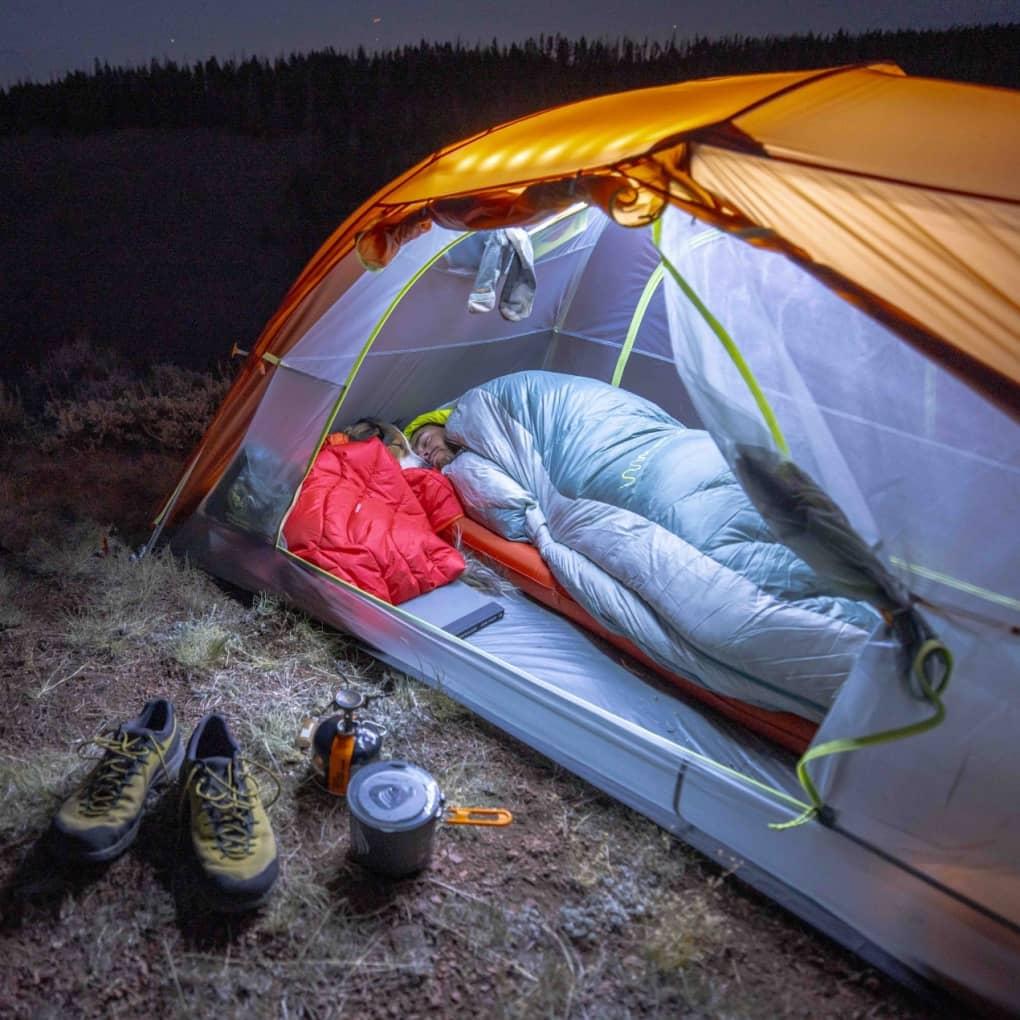
Your actual comfort depends on several factors, including your clothing, sleeping pad, tent, weather conditions, and individual tolerance for cold.
Comfort Rating vs Lower Limit
Some sleeping bags provide more than one temperature rating.
You may see terms such as:
- Comfort rating
- Lower limit
- Extreme rating
These ratings can mean different things, so it’s important to understand the difference.
Comfort Rating
The comfort rating is generally the temperature at which a typical sleeper can expect to feel reasonably comfortable.
For most casual campers, this is the rating that deserves the most attention.
Lower Limit
The lower-limit rating represents a colder condition where a typical experienced sleeper may still be able to sleep without becoming dangerously cold.
This does not necessarily mean you’ll be comfortable at that temperature.
Extreme Rating
An extreme rating is associated with survival rather than comfortable sleeping.
You should not use the extreme rating when deciding which sleeping bag to buy for normal camping.
What Sleeping Bag Temperature Should You Choose?
For most beginners, it’s better to choose a sleeping bag based on the coldest conditions you realistically expect to encounter.
For example, if your typical camping trips are during spring, summer, and fall, you might consider a three-season sleeping bag rather than a heavy winter bag.
Here is a simple way to think about it:
40°F and Above
A warmer-weather sleeping bag can work well for summer camping in many areas.
These bags are usually lighter and easier to pack.
Around 30°F
A 30°F sleeping bag can be a versatile choice for campers who expect cooler spring and fall nights.
Around 20°F
A 20°F bag provides more insulation for colder conditions and can be useful for three-season camping in colder regions.
Below 20°F
Winter camping may require a much warmer sleeping bag and a more complete cold-weather sleep system.
If you’re a beginner, don’t buy a very cold-rated bag simply because the number looks impressive. Consider the conditions you’ll actually encounter.
Your Sleeping Pad Matters Too
Your sleeping bag isn’t the only thing keeping you warm.
A sleeping pad provides cushioning, but it also helps insulate you from the cold ground.
This is why a warm sleeping bag combined with a poorly insulated sleeping pad can still leave you feeling cold.
If you’re building a camping sleep system, think about these two pieces together:
Sleeping bag + sleeping pad = your basic sleep insulation system
For more information, check out our guide on [Sleeping Pad vs Air Mattress: Which Is Better for Camping?].
Clothing Can Affect How Warm You Feel
What you wear inside your sleeping bag also matters.
Dry base layers, warm socks, and other appropriate clothing can help you stay comfortable on cold nights.
However, avoid assuming that simply wearing more and more clothing will always solve the problem.
Your clothing should be dry and comfortable, and you should avoid compressing your sleeping bag’s insulation.
Don’t Forget the Weather
A sleeping bag rating doesn’t exist in isolation.
Wind, humidity, moisture, and ground temperature can all affect how cold you feel.
For example, a calm, dry night may feel very different from a damp and windy night at the same temperature.
Always check the weather forecast before leaving for a camping trip.
How to Choose a Sleeping Bag as a Beginner
If you’re not sure which sleeping bag to buy, start by answering these questions:
- When will you normally go camping?
- What is the coldest temperature you expect?
- Are you camping in summer, three seasons, or winter?
- Do you tend to sleep warm or cold?
- How much space and weight are you comfortable carrying?
Once you know the answers, you can narrow down the temperature range that makes sense for you.
Should You Buy a Sleeping Bag Rated Colder Than You Need?
Sometimes, yes.
Having some extra temperature margin can be useful, especially if you regularly camp in areas where nighttime temperatures can change quickly.
However, a colder-rated sleeping bag is often heavier, bulkier, and more expensive.
There’s no reason to carry a heavy winter sleeping bag on every summer camping trip.
Choose the bag based on your actual camping conditions.
Sleeping Bag Temperature Rating Checklist
Before buying a sleeping bag, check:
- Temperature rating
- Comfort rating if provided
- Lower-limit rating
- Expected camping season
- Sleeping pad insulation
- Bag weight
- Packed size
- Insulation type
- Your typical sleeping temperature preference
Final Thoughts
Sleeping bag temperature ratings are useful, but the number on the label isn’t the whole story.
For beginner campers, focus on the comfort rating, the conditions you’ll actually encounter, and the rest of your sleep system.
A good sleeping bag paired with an appropriate sleeping pad can make a huge difference in how comfortable you feel at night.
If you’re still building your camping setup, start with the conditions you expect to encounter most often rather than buying the most extreme sleeping bag you can find.
Related Camping Guides
- [How to Choose a Sleeping Bag for Camping: A Beginner’s Guide]
- [How to Stay Warm While Camping at Night]
- [Sleeping Pad vs Air Mattress: Which Is Better for Camping?]
- [Camping for Beginners: Everything You Need to Know Before Your First Trip]
Primary keyword: sleeping bag temperature ratings
Secondary keywords: sleeping bag temperature rating, sleeping bag ratings explained, what temperature sleeping bag do I need, sleeping bag comfort rating, sleeping bag lower limit
Suggested slug: sleeping-bag-temperature-ratings-explained
Meta description: Learn how sleeping bag temperature ratings work and how to choose the right sleeping bag for summer, three-season, and cold-weather camping.
Want to learn more? Check out these related camping guides:
→ How to Choose the Right Sleeping Bag for Your Camping Trip
→ Down vs Synthetic Sleeping Bags: Which Is Better?
→ How to Set Up a Comfortable Camping Sleep System