
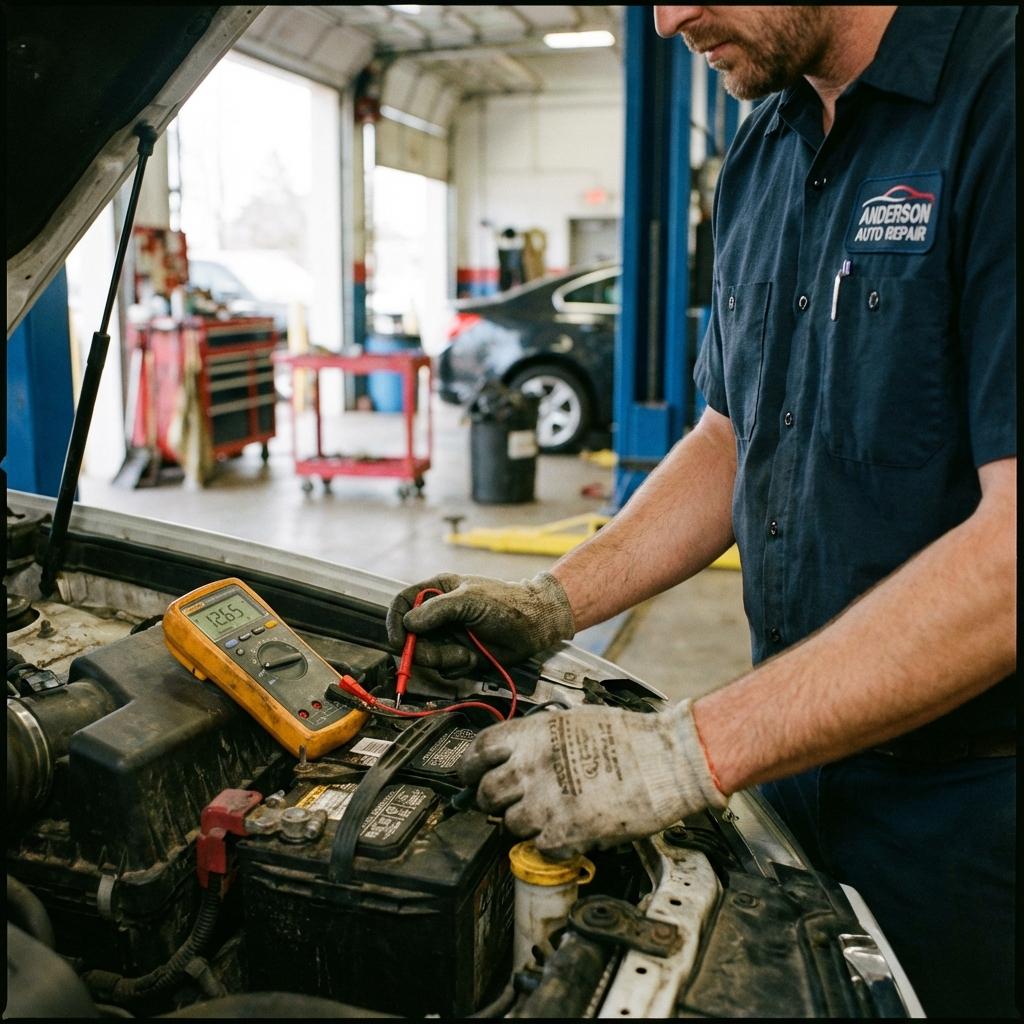
A car battery is one of those parts you usually don’t think about until your car won’t start.
So, how long do car batteries last?
Most car batteries last around 3 to 5 years, but the actual lifespan can vary depending on climate, driving habits, vehicle type, maintenance, and how often the car is driven.
Knowing the typical lifespan of a car battery can help you recognize warning signs and avoid getting stuck with a car that won’t start.
In this guide, we’ll explain how long car batteries last, what affects their lifespan, how to tell when a battery is getting weak, and when you should consider replacing it.
How Long Do Car Batteries Usually Last?
Most traditional automotive batteries last approximately 3 to 5 years under normal conditions.
However, there is no exact expiration date for a car battery.
Some batteries may last longer than five years, while others may start having problems after only a few years.
The lifespan depends on several factors, including:
- Climate
- Driving habits
- Trip length
- Vehicle electrical systems
- Battery quality
- Maintenance
- How often the vehicle is driven
If your battery is approaching the three-year mark, it is a good idea to start paying more attention to its condition.
What Affects Car Battery Life?
Several factors can shorten or extend the life of a car battery.
Understanding these factors can help you get a better idea of how long your own battery might last.
1. Temperature
Extreme temperatures can be hard on car batteries.
Very hot weather can accelerate chemical reactions inside the battery and contribute to faster battery deterioration.
Cold weather can also make starting the engine more difficult because the battery has to work harder to provide enough power.
This means drivers in areas with very hot summers or very cold winters may experience different battery lifespans than drivers in moderate climates.
2. Driving Habits
Your driving habits can have a major effect on battery life.
Short trips are particularly demanding because the engine may not run long enough for the alternator to fully replace the energy used during starting.
If you frequently drive only a few minutes at a time, your battery may not receive enough charging.
Longer drives generally give the charging system more time to replenish the battery.
3. How Often You Drive
A car that sits unused for long periods can also develop battery problems.
Even when the engine is turned off, some vehicle systems continue to use a small amount of electrical power.
If the car sits for weeks without being driven, the battery can gradually lose its charge.
This is especially important for seasonal vehicles, second cars, and vehicles that are rarely used.
4. Electrical Accessories
Modern vehicles use many electrical systems.
Depending on the vehicle, these can include:
- Infotainment systems
- Heated seats
- Power accessories
- Advanced safety systems
- Alarm systems
- Navigation systems
- Interior electronics
Normally, the vehicle’s charging system handles these electrical demands while the engine is running.
However, leaving lights or accessories running when the engine is off can drain the battery.
5. Battery Quality
Not all batteries are identical.
Different batteries can have different designs, capacities, warranties, and expected service lives.
When replacing a battery, make sure you choose one that matches your vehicle’s specifications.
A battery that is the wrong size or does not meet the vehicle’s requirements may cause problems.
What Are the Signs of a Weak Car Battery?
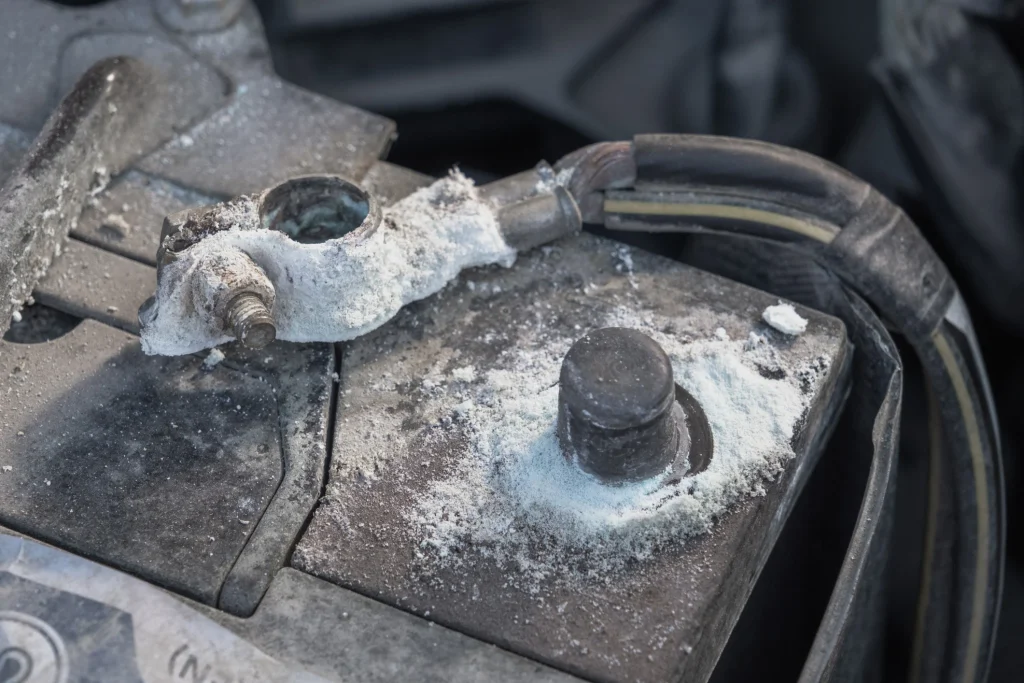
A failing battery often gives you warning signs before it completely dies.
Pay attention to changes in how your vehicle starts and operates.
Common signs include:
Slow Engine Cranking
One of the most common warning signs is a slower-than-normal engine crank.
You may notice that the starter sounds weaker or takes longer to turn the engine over.
A single slow start does not necessarily mean the battery is failing, but repeated slow starts are worth checking.
Clicking When You Try to Start the Car
If you turn the key or press the start button and hear clicking instead of the engine starting, the battery may not have enough power.
However, other problems can also cause starting issues, so a battery test can help determine the cause.
Dim Headlights
If your headlights appear noticeably dimmer than usual, there may be an issue with the battery or charging system.
Modern vehicles rely on the alternator and battery together, so dim lights do not automatically mean the battery is the problem.
Electrical Problems
You may notice unusual behavior from electrical components when the battery is weak.
For example:
- Power windows may operate slowly.
- Interior lights may appear dim.
- Electronics may reset.
- The vehicle may have difficulty starting.
These symptoms can have several causes, so professional testing may be necessary.
Battery Warning Light
If your vehicle’s battery or charging-system warning light comes on, don’t ignore it.
The warning light can indicate a problem with the charging system rather than the battery itself.
The alternator, wiring, or another component could be responsible.
How Can You Tell How Old Your Car Battery Is?
If you’re not sure how old your battery is, check the battery itself.
Many batteries have a manufacturing date or code printed on the case or label.
The exact format varies by manufacturer.
You can also check:
- Your vehicle maintenance records
- Previous service invoices
- The receipt from the battery purchase
- Records from the dealership or repair shop
Knowing the battery’s age is useful because a battery that is several years old deserves more attention than a recently installed battery.
Should You Replace a Car Battery Before It Dies?
Not necessarily.
A battery does not automatically need to be replaced simply because it reaches a certain age.
However, if your battery is several years old and testing shows that its performance is declining, replacement may be worth considering.
Replacing an aging battery before it completely fails can help reduce the chance of an unexpected no-start situation.
This can be especially important before:
- Long road trips
- Winter travel
- Remote camping trips
- Long periods away from home
- Trips where roadside assistance may be difficult to access
If you’re planning a long road trip, checking the battery is a simple part of preparing your vehicle.
How Do You Test a Car Battery?
There are several ways to check battery condition.
Visual Inspection
Start by looking at the battery.
Check for obvious problems such as:
- Cracked or damaged casing
- Corrosion around the terminals
- Loose connections
- Signs of leakage
If the battery appears damaged or leaking, avoid handling it unnecessarily and have it inspected by a qualified professional.
Battery Voltage Test
A digital multimeter can be used to measure battery voltage.
However, voltage alone does not tell you everything about a battery’s condition.
A battery can show a reasonable voltage reading but still have insufficient capacity to start the engine reliably.
Professional Battery Test
Many auto parts stores and repair shops can perform a battery test.
A proper battery test can provide more useful information about the battery’s ability to deliver starting power.
If you’re unsure about your battery’s condition, professional testing is often the easiest option.
What Is the Difference Between a Dead Battery and a Bad Battery?
These terms are often used interchangeably, but they can describe different situations.
A dead battery may simply be discharged.
For example, leaving the headlights on overnight can drain a healthy battery.
After being properly recharged, the battery may work normally again.
A bad battery, on the other hand, may have deteriorated internally and no longer be able to hold or deliver enough charge.
In that situation, recharging the battery may only provide a temporary solution.
A battery test can help determine whether the battery is simply discharged or needs replacement.
Can You Recharge a Car Battery?
Yes, a discharged battery can often be recharged.
Depending on the situation, you may use:
- A battery charger
- A battery maintainer
- A jump start followed by driving
However, jump-starting a vehicle does not necessarily fix the underlying problem.
If the battery repeatedly becomes discharged, you should investigate the cause.
Possible causes include:
- An aging battery
- A charging-system problem
- A parasitic electrical drain
- Leaving electrical accessories on
- Infrequent driving
How to Make Your Car Battery Last Longer
You cannot prevent a battery from eventually wearing out, but good habits can help reduce unnecessary stress.
Drive the Vehicle Regularly
If your car sits for long periods, regular driving can help keep the battery charged.
For vehicles that are rarely driven, a battery maintainer may be useful.
Avoid Excessive Short Trips
If possible, combine several short trips into one longer drive.
This gives the charging system more time to replenish the energy used during starting.
Turn Off Lights and Accessories
Before leaving the vehicle, make sure lights and other accessories are turned off.
Many modern vehicles automatically shut off certain systems, but it is still good practice to check.
Keep Battery Connections Clean
Corrosion around the battery terminals can interfere with electrical connections.
If you see significant corrosion, have the battery and connections inspected and cleaned properly.
Check the Battery Before Long Trips
If you’re preparing for a road trip and your battery is several years old, consider having it tested.
A quick battery check can be much easier than dealing with a no-start situation far from home.
What Happens When a Car Battery Dies?
When a battery completely fails, the vehicle may not start.
You might hear:
- Rapid clicking
- A single click
- Very slow engine cranking
- No sound at all
Electrical accessories may also stop working or become very weak.
If the battery is simply discharged, a jump start or recharge may get the vehicle running again.
If the battery has failed internally, it will usually need to be replaced.
Can a Car Battery Die Suddenly?
Yes.
Even if a battery seemed to work normally the previous day, it can sometimes fail unexpectedly.
Battery performance can decline gradually, but the difference between “starts normally” and “doesn’t start” can feel very sudden to the driver.
This is one reason battery age and condition are worth monitoring.
How Much Does a Car Battery Replacement Cost?
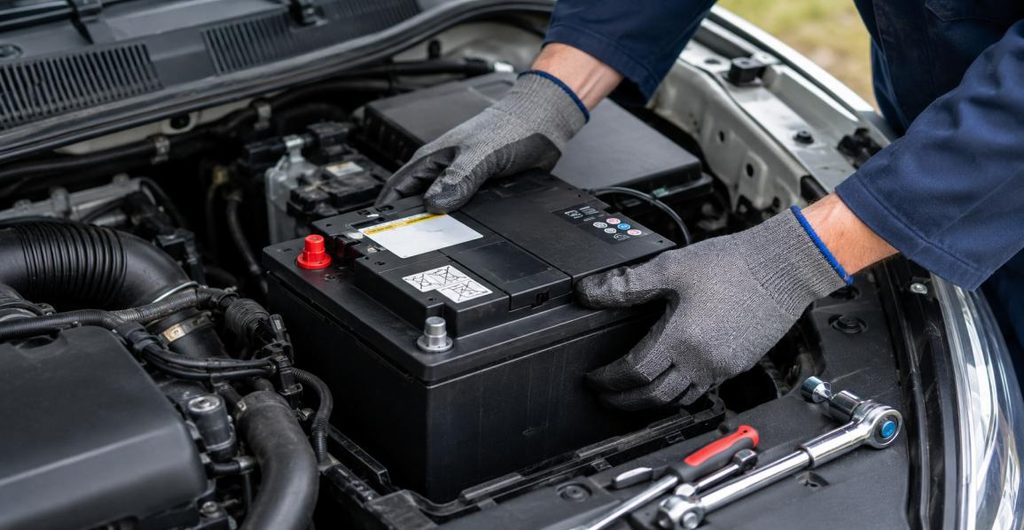
The total cost depends on several factors.
These can include:
- Battery type
- Vehicle model
- Battery size
- Brand
- Installation cost
- Location
Some vehicles also require specific battery types because of their electrical systems.
Instead of choosing a battery based only on price, make sure the replacement battery meets your vehicle manufacturer’s specifications.
What Should You Look for When Buying a Replacement Battery?
When buying a replacement battery, check your vehicle’s requirements first.
Important specifications may include:
Battery Size
The physical dimensions and terminal layout need to match your vehicle.
Cold Cranking Amps
Cold Cranking Amps, or CCA, indicate a battery’s ability to provide starting power under cold conditions.
Follow the vehicle manufacturer’s recommended specifications.
Reserve Capacity
Reserve capacity indicates how long a battery can provide a specified electrical load under standardized testing conditions.
It can be another useful specification when comparing compatible batteries.
Battery Type
Different vehicles may use different battery technologies.
For example, some vehicles use conventional flooded lead-acid batteries, while others may require AGM or another type.
Always check your vehicle’s specifications before purchasing a replacement.
When Should You Have Your Battery Checked?
You don’t have to wait until your car refuses to start.
Consider having the battery checked if:
- The battery is several years old.
- The engine is cranking slowly.
- You notice electrical problems.
- The vehicle has needed multiple jump starts.
- You’re preparing for a long road trip.
- The car has been sitting unused for a long time.
- You notice corrosion or physical damage.
A battery test is usually much easier than dealing with an unexpected breakdown.
Car Battery Checklist
Before a long trip, use this simple checklist:
- Check the battery’s age
- Look for visible damage
- Check for excessive terminal corrosion
- Pay attention to slow engine cranking
- Make sure lights and accessories are working normally
- Test an older battery
- Check the charging system if necessary
- Replace the battery if testing shows it is no longer reliable
- Consider roadside assistance for long trips
Common Car Battery Mistakes
Ignoring Slow Starts
A slow start can be an early warning sign.
Don’t wait until the vehicle completely refuses to start before checking the battery.
Assuming a Jump Start Solves the Problem
A jump start gets the vehicle running, but it doesn’t necessarily fix a failing battery.
If you repeatedly need jump starts, find out why.
Replacing the Battery Without Checking the Charging System
The battery may not be the only problem.
A faulty alternator or charging-system issue can also cause repeated battery problems.
Choosing a Battery Based Only on Price
A cheap battery isn’t necessarily the right battery for your vehicle.
Make sure the battery matches the required specifications.
Forgetting About the Battery Before a Road Trip
A battery that is already several years old deserves attention before a long trip.
A simple inspection or test can help you avoid an inconvenient breakdown.
Final Thoughts
So, how long do car batteries last?
For many vehicles, a car battery lasts around 3 to 5 years, but actual battery life can vary significantly depending on climate, driving habits, vehicle use, and battery condition.
The most important thing is not to rely on age alone.
Pay attention to slow starts, electrical problems, warning lights, and other changes in vehicle behavior. If your battery is several years old or you’re preparing for a long road trip, consider having it tested.
A few minutes spent checking your battery can save you from an unexpected no-start situation later.
Want to learn more? Check out these related camping guides:
→ Road Trip for Beginners: How to Plan Your First Road Trip
→ How to Prepare Your Car for a Long Road Trip