
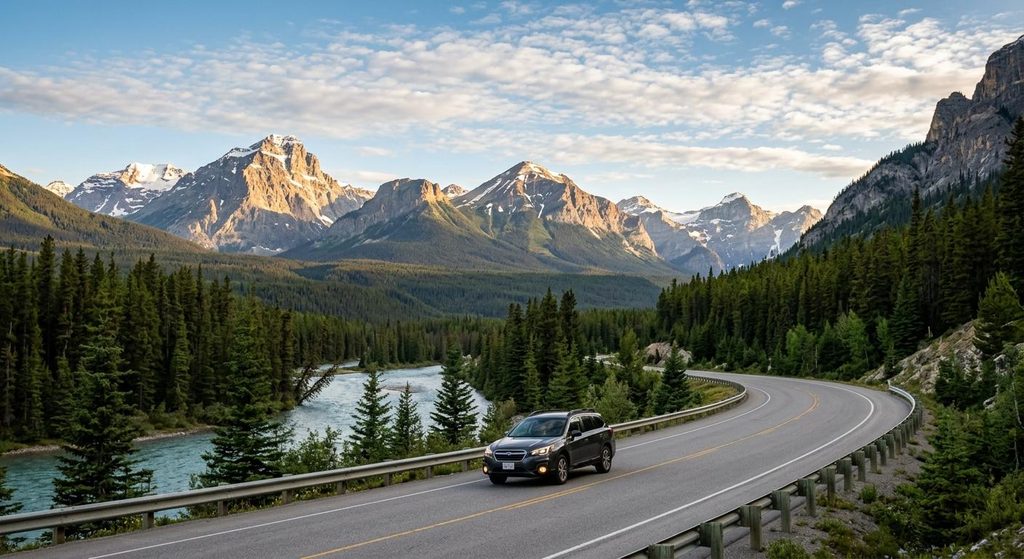
A road trip can be one of the easiest and most enjoyable ways to travel.
You choose your route, load up your car, stop whenever you want, and explore places that you might never see on a traditional vacation.
But your first road trip can also become stressful if you don’t plan the basics.
How far should you drive each day? What should you bring? How much gas will you need? Where should you stay? What happens if something goes wrong with your car?
The good news is that you don’t need a complicated plan.
With a little preparation, you can create a comfortable and flexible road trip that fits your budget, vehicle, and travel style.
This beginner’s guide explains how to plan your first road trip from start to finish.
What Is a Road Trip?
A road trip is a journey where driving is a major part of the travel experience.
Unlike a typical vacation where you may fly directly to a destination, a road trip allows you to explore the places between your starting point and final destination.
You can stop at:
- Small towns
- Scenic viewpoints
- National parks
- Local restaurants
- Beaches
- Hiking trails
- Historic sites
- Roadside attractions
- Campgrounds
The journey itself becomes part of the trip.
That’s one of the biggest reasons road trips are so popular.
1. Choose Your Road Trip Destination
Start by deciding where you want to go.
You don’t need to plan every stop yet.
First, choose a general destination or region.
For example:
- Pacific Northwest
- California coast
- Southwest national parks
- New England
- Rocky Mountains
- Florida
- Canadian Rockies
Then look at the distance from your starting point.
A destination may look relatively close on a map, but driving time can be much longer than expected.
Consider:
- Total driving distance
- Road conditions
- Traffic
- Mountain roads
- Border crossings
- Weather
- Rest stops
- Fuel availability
Your destination should match the amount of time you actually have.
2. Decide How Many Days You Need
One of the biggest road trip planning mistakes is trying to drive too far in too little time.
Driving eight or ten hours every day may technically get you to your destination, but it can leave you exhausted.
Instead, think about how much driving you realistically want to do each day.
For many travelers, around 4–6 hours of actual driving in a day can provide a more comfortable balance between driving and exploring.
Some days may be longer, especially when necessary, but you don’t want every day to feel like a marathon behind the wheel.
Think About the Entire Trip
For example, if your destination is 12 hours away, you could:
Option 1: Drive there in one long day.
Option 2: Split the drive across two days and explore along the way.
The second option often makes the trip more enjoyable.
3. Plan Your Route
Once you know your destination and travel dates, start building your route.
A simple route can include:
Starting Point → Stop 1 → Stop 2 → Overnight Stay → Stop 3 → Destination
Don’t add too many stops.
Three or four meaningful stops can be better than ten rushed ones.
When choosing stops, look for places that are reasonably close to your route.
A scenic viewpoint that requires a two-hour detour may not be worth it if you only have a few days.
4. Use Scenic Routes When Possible
The fastest route isn’t always the best road trip route.
If you have extra time, consider choosing roads with:
- Mountain views
- Coastal scenery
- Forests
- Lakes
- National parks
- Historic towns
- Scenic byways
A slightly longer drive can sometimes become one of the best parts of your trip.
However, check road conditions before choosing a remote or scenic route.
Some roads may be seasonal, difficult to access, or unsuitable for certain vehicles.
5. Check Your Car Before the Trip
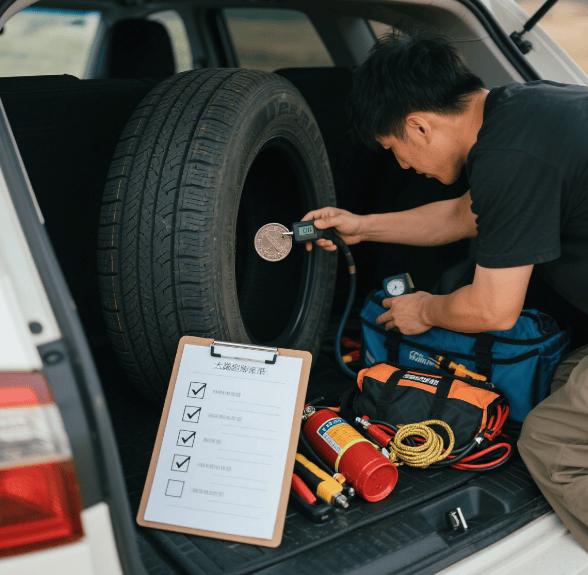
Your car is the most important piece of equipment on a road trip.
Before leaving, check the basics.
Tires
Check:
- Tire pressure
- Tread depth
- Spare tire
- Tire condition
Don’t forget to check the spare tire.
A spare that has been sitting unused for years may not be ready for an emergency.
Engine Oil
Check your oil level and follow your vehicle manufacturer’s recommended maintenance schedule.
If you’re close to an oil change interval, consider taking care of it before a long trip.
Brakes
Pay attention to:
- Unusual noises
- Vibrations
- Soft brake pedal
- Reduced braking performance
If something feels wrong, have the vehicle inspected before your trip.
Fluids
Check important fluids such as:
- Engine oil
- Coolant
- Brake fluid
- Windshield washer fluid
Your vehicle’s owner’s manual will provide the most accurate information for your specific car.
6. Don’t Forget Your Car’s Emergency Equipment
Every road trip vehicle should have basic emergency supplies.
Consider carrying:
- Spare tire
- Jack
- Lug wrench
- Jumper cables or jump starter
- Flashlight
- Basic first-aid kit
- Tire pressure gauge
- Emergency warning equipment
- Work gloves
- Water
- Phone charger
You don’t need to turn your car into a survival vehicle.
The goal is simply to be prepared for common problems.
7. Estimate Your Fuel Costs
Fuel can become one of the largest expenses on a long road trip.
A simple estimate can help you build a realistic budget.
Use this basic calculation:
Total miles ÷ Miles per gallon = Estimated gallons needed
Then:
Estimated gallons × Fuel price = Estimated fuel cost
For example, if your trip is 1,000 miles and your car averages 30 MPG:
1,000 ÷ 30 = about 33.3 gallons
If fuel costs $3.50 per gallon:
33.3 × $3.50 = about $117
This is only an estimate.
Traffic, weather, driving speed, cargo, and road conditions can all affect fuel economy.
It’s smart to leave some room in your budget for higher fuel prices or unexpected driving.
8. Plan Your Overnight Stops
If you’re traveling for several days, decide roughly where you’ll sleep each night.
Options include:
- Hotels
- Motels
- Campgrounds
- Cabins
- Vacation rentals
- Sleeping in your car where legally permitted
Don’t choose overnight stops based only on the cheapest price.
Consider:
- Location
- Parking
- Safety
- Check-in hours
- Distance from your route
- Nearby restaurants
- Fuel availability
A slightly more expensive hotel close to your route may save you time and fatigue.
9. Don’t Drive Until You’re Exhausted
Fatigue is one of the biggest risks on a long road trip.
If you’re tired, stop.
Don’t try to push through because you want to reach the next city.
Take a break, get some food, walk around, or find a place to sleep.
If you’re traveling with another licensed driver, switching drivers can also help reduce fatigue.
A road trip should be enjoyable.
Arriving an hour earlier isn’t worth driving while dangerously tired.
10. Plan Regular Breaks
Even if you don’t feel tired, take regular breaks.
A simple road trip rhythm might look like:
Drive → Stop for fuel → Stretch → Eat → Drive → Scenic stop → Drive → Overnight
Short breaks can make a long drive much more comfortable.
They also give you opportunities to discover places that weren’t originally part of your itinerary.
11. Download Important Information Before You Leave
Cell service isn’t guaranteed everywhere.
This is especially important when driving through:
- Mountains
- Rural areas
- National parks
- Deserts
- Remote highways
Before leaving, consider downloading:
- Offline maps
- Your route
- Hotel information
- Reservation details
- Important phone numbers
Keep important addresses and reservation information somewhere you can access without an internet connection.
12. Pack a Road Trip Essentials Bag
Instead of putting everything in your trunk, keep a small essentials bag within easy reach.
It can include:
- Phone charger
- Power bank
- Water bottle
- Snacks
- Sunglasses
- Tissues
- Hand sanitizer
- Small trash bags
- Headphones
- Basic medications
- Travel documents
This saves you from opening the trunk every time you need something.
13. Bring Enough Food and Water
You don’t need to pack your entire kitchen.
A few easy snacks can make long drives much more comfortable.
Good road trip options include:
- Nuts
- Granola bars
- Fruit
- Crackers
- Sandwiches
- Jerky
- Dried fruit
- Water
Keep perishable food in a cooler if necessary.
However, don’t rely entirely on your food supply.
Know where you’ll be able to stop for meals and water along the route.
14. Plan for Weather
Weather can completely change a road trip.
Before leaving, check the forecast for your route—not just your final destination.
You may drive through several different weather conditions in one trip.
Pay attention to:
- Heavy rain
- Snow
- Strong winds
- Extreme heat
- Flooding
- Ice
- Severe storms
If weather conditions become dangerous, change your plans.
A flexible itinerary is one of the biggest advantages of road travel.
15. Think About Your Vehicle’s Size and Capability
Your road trip route should match your vehicle.
A compact car may be perfect for highways and cities.
An SUV may provide more cargo space.
A four-wheel-drive vehicle may be useful for certain roads or outdoor destinations.
However, having an SUV or 4WD doesn’t automatically make every road safe.
Always consider:
- Ground clearance
- Tire condition
- Vehicle weight
- Cargo
- Road surface
- Weather
- Manufacturer recommendations
Don’t take your vehicle somewhere it isn’t designed to go just because a map shows a road.
16. Keep Your Car Organized
A messy car becomes frustrating surprisingly quickly on a long road trip.
Use simple organization.
Keep:
Front area:
Phone, charger, sunglasses, navigation.
Passenger area:
Water, snacks, tissues.
Trunk:
Luggage, camping equipment, emergency supplies.
Use small bags or storage containers to keep loose items together.
This makes it much easier to find what you need.
17. Plan Your Entertainment
Long drives can become boring.
Prepare some entertainment before leaving.
Consider:
- Music playlists
- Podcasts
- Audiobooks
- Downloaded shows for passengers
- Road trip games
- Conversation topics
If you’re the driver, don’t use your phone while driving.
Set up navigation and entertainment before you start moving.
18. Budget for More Than Fuel
Fuel isn’t the only road trip expense.
Your budget may include:
- Hotels
- Food
- Parking
- Tolls
- Entrance fees
- Attractions
- Camping fees
- Vehicle maintenance
- Emergency expenses
Create a simple estimated budget before leaving.
Then add a little extra for unexpected expenses.
This gives you a much more realistic idea of what the trip will cost.
19. Don’t Plan Every Minute
A road trip should have structure, but it shouldn’t feel like a military operation.
Leave room for unexpected stops.
You might discover:
- A great local restaurant
- A scenic viewpoint
- A small town
- A hiking trail
- A roadside attraction
- A beautiful sunset
If your schedule is too tight, you won’t have time to enjoy these discoveries.
Plan your important destinations and overnight stops.
Leave the rest flexible.
20. Create a Backup Plan
Things don’t always go according to plan.
Your hotel might be unavailable.
A road could close.
Your car might develop a problem.
Weather could change.
An attraction might be closed.
Think about alternatives before you leave.
For example:
Primary route: Highway route
Backup route: Alternate highway
Primary overnight stop: City A
Backup overnight stop: City B
You don’t need a detailed emergency plan for every possible situation.
Just know what your basic alternatives are.
A Simple First Road Trip Example
Imagine you’re planning a four-day road trip.
Day 1
- Leave early
- Drive 4–5 hours
- Stop at a scenic location
- Have lunch
- Continue driving
- Stay overnight
Day 2
- Breakfast
- Drive 2–3 hours
- Visit a major attraction
- Explore the area
- Stay overnight
Day 3
- Explore the destination
- Take a scenic drive
- Visit a local restaurant
- Relax
Day 4
- Start the return trip
- Make a few planned stops
- Refuel
- Arrive home
This type of itinerary gives you enough structure without filling every hour.
First Road Trip Checklist
Before leaving, check the following:
Vehicle
- Check tire pressure
- Check tire condition
- Check oil
- Check important fluids
- Check brakes
- Confirm spare tire
- Check windshield wipers
Emergency Gear
- Jumper cables or jump starter
- Jack
- Lug wrench
- Flashlight
- First-aid kit
- Tire pressure gauge
- Phone charger
Trip Planning
- Destination
- Route
- Overnight stops
- Fuel stops
- Weather forecast
- Offline maps
- Reservations
- Backup route
Personal Items
- Driver’s license
- Wallet
- Phone
- Charger
- Water
- Snacks
- Sunglasses
- Comfortable clothing
Final Thoughts
Your first road trip doesn’t need to be complicated.
Choose a destination that fits your available time, plan a realistic route, prepare your vehicle, estimate your fuel and accommodation costs, and leave enough flexibility to enjoy the journey.
Most importantly, don’t underestimate the value of rest.
A successful road trip isn’t about covering the most miles or visiting the most places.
It’s about enjoying the drive, discovering new places, and arriving safely.
Plan the important details, prepare your car, and leave room for the unexpected.
That’s what makes a road trip memorable.