

Planning a trip can feel overwhelming, especially if you’re not sure where to start.
Where should you go? How much should you spend? When should you book your flight? How do you choose a hotel? What should you pack?
The good news is that trip planning doesn’t have to be complicated.
With a simple process, you can organize a trip around your budget, schedule, interests, and travel style without spending hours trying to figure everything out.
This beginner’s guide explains how to plan a trip from start to finish.
1. Decide What Kind of Trip You Want
Before booking anything, think about what you actually want from the trip.
Are you looking for:
- A relaxing beach vacation?
- A city getaway?
- A road trip?
- A national park adventure?
- A camping trip?
- A food-focused vacation?
- A family trip?
- A weekend getaway?
- A long international vacation?
Your travel style will affect almost every decision that comes afterward.
For example, someone planning a two-day city trip may prioritize a central hotel and public transportation.
Someone planning a national park road trip may care more about a rental car, campground availability, and driving distances.
Start with the type of experience you want rather than immediately searching for hotels or flights.
2. Choose Your Destination
Once you know what kind of trip you want, choose a destination.
You don’t always need to pick one specific city immediately.
Start with a general idea.
For example:
- Beach vacation in California
- National park trip in Utah
- Weekend in New York City
- Road trip through the Pacific Northwest
- Camping trip in Colorado
- Fall trip to New England
Then compare potential destinations based on:
- Travel time
- Weather
- Cost
- Activities
- Transportation
- Accommodation
- Crowds
- Your available vacation time
A destination that looks great online isn’t necessarily the right destination for your particular trip.
Choose somewhere that fits your time, budget, and interests.
3. Set a Realistic Travel Budget
Your budget should be one of the first things you determine.
A trip can become much more expensive than expected when you only consider flights and hotels.
A basic travel budget should include:
- Transportation
- Accommodation
- Food
- Activities
- Local transportation
- Travel insurance
- Parking
- Tolls
- Rental car
- Gas
- Shopping
- Emergency expenses
For a road trip, fuel and parking can make up a significant part of the budget.
For an international trip, flights and accommodation may be the biggest expenses.
Create a Simple Budget
You can start with:
Transportation + Accommodation + Food + Activities + Extra Expenses = Total Trip Budget
It’s also smart to leave some room for unexpected costs.
A small emergency budget can make your trip much less stressful.
4. Decide When to Travel
The timing of your trip can affect both the experience and the cost.
Consider:
- Weather
- Peak season
- School holidays
- Public holidays
- Local events
- Crowds
- Accommodation prices
- Flight prices
For example, a popular destination may be significantly more expensive during its peak season.
Traveling during the shoulder season can sometimes give you a better balance between weather, crowds, and price.
However, the cheapest time isn’t always the best time.
If an attraction or outdoor activity is the main reason you’re visiting, make sure it will actually be available during your travel dates.
5. Decide How Long to Stay
Your trip length should match your destination.
A weekend may be enough for a nearby city.
A large national park or multi-city international trip may require several days or even weeks.
When deciding how long to stay, consider travel time.
If it takes most of a day to reach your destination, a one-night stay may not be worth the effort.
For longer trips, avoid filling every hour with activities.
Leaving some free time gives you flexibility when plans change or when you simply want to slow down.
6. Research the Destination
Once you’ve chosen a destination, spend some time researching it.
Look into:
- Main attractions
- Neighborhoods
- Transportation
- Weather
- Local food
- Safety considerations
- Opening hours
- Reservation requirements
- Driving conditions
- Parking
- Day trips
You don’t need to research everything.
Focus on the information that can actually affect your plans.
For example, if you’re visiting a national park, knowing whether you need an entry reservation or campsite reservation can be much more important than reading dozens of travel blogs.
7. Plan Your Transportation
Transportation depends on the type of trip.
You may need:
- Flights
- Rental cars
- Trains
- Buses
- Public transportation
- Taxis or rideshare services
- Your own vehicle
For a city trip, staying near public transportation may allow you to avoid renting a car.
For a road trip, having your own vehicle or renting a car may be essential.
Don’t just compare the ticket price.
Consider the total cost.
A cheap flight may become less attractive if it requires expensive airport transportation, checked baggage, or an inconvenient arrival time.
8. Book Your Accommodation
Choose accommodation based on your itinerary rather than choosing a hotel first and building your trip around it.
Common options include:
- Hotels
- Motels
- Vacation rentals
- Hostels
- Resorts
- Campgrounds
- Cabins
Consider the location carefully.
A cheaper hotel far outside the area you want to visit may cost more in transportation and time.
Before booking, check:
- Location
- Reviews
- Parking
- Cancellation policy
- Check-in time
- Additional fees
- Breakfast
- Wi-Fi
- Transportation access
For road trips, convenient parking can be especially important.
9. Build a Flexible Itinerary
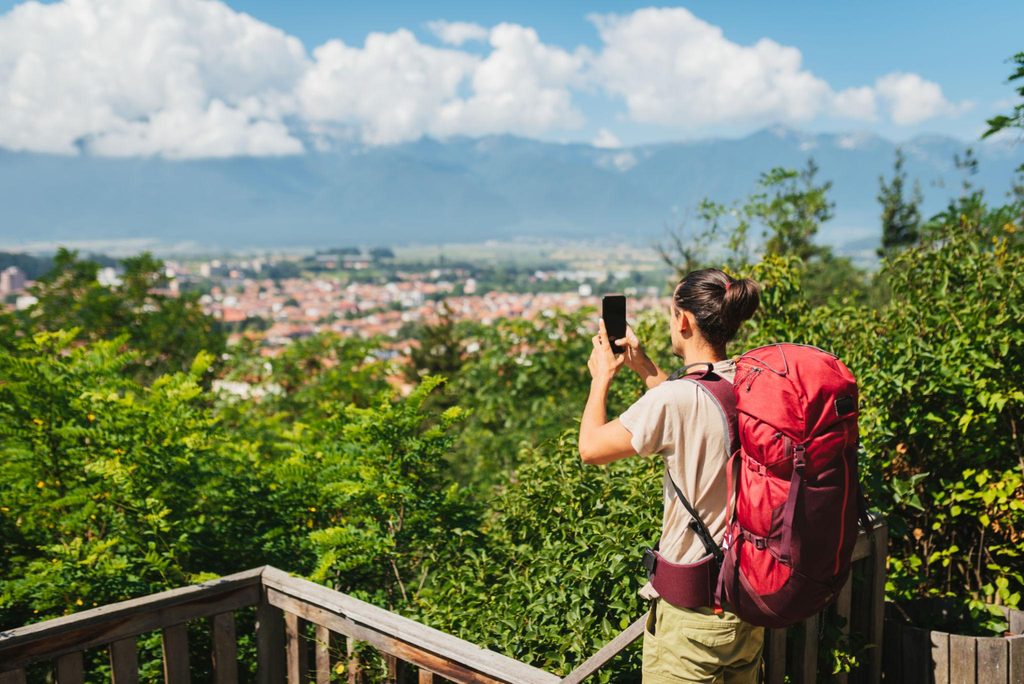
One of the biggest mistakes beginners make is trying to see everything.
Instead, choose a few priorities for each day.
For example:
Morning
Visit your main attraction.
Afternoon
Explore the surrounding area and have lunch.
Evening
Choose a restaurant or relaxed activity.
Leave some open time between activities.
This gives you room for traffic, unexpected delays, long lines, weather changes, or simply taking a break.
A good itinerary should guide your trip—not control every minute of it.
10. Separate Must-Do Activities From Optional Activities
Make two lists.
Must-Do
These are the experiences you don’t want to miss.
For example:
- A specific national park
- A famous museum
- A scenic drive
- A particular restaurant
- A major landmark
Nice-to-Do
These are activities you can skip if you’re tired or running behind.
This simple system makes your itinerary much easier to manage.
If something unexpected happens, remove a few optional activities rather than trying to rush through everything.
11. Check Reservations in Advance
Some popular attractions and activities require reservations.
Check whether you need to book:
- Hotels
- Campgrounds
- Rental cars
- Popular restaurants
- Tours
- Museum tickets
- National park permits
- Special activities
Don’t assume you can always book something after you arrive.
Popular destinations can sell out, especially during busy travel periods.
12. Make a Packing List
Your packing list should match your destination and activities.
Basic travel items may include:
- Clothing
- Comfortable shoes
- Toiletries
- Phone charger
- Power bank
- Travel documents
- Medication
- Wallet
- Travel bags
- Weather-appropriate clothing
For outdoor trips, you’ll need additional equipment.
For example, a camping trip may require:
- Tent
- Sleeping bag
- Sleeping pad
- Camping stove
- Cooking equipment
- Water
- Lighting
Don’t pack for every possible situation.
Pack for the trip you’re actually taking.
13. Check the Weather Before You Leave
Weather can change your plans quickly.
Check the forecast before your trip and again shortly before departure.
Pay particular attention to:
- Temperature
- Rain
- Snow
- Wind
- Severe weather
- Heat
- Road conditions
This is especially important for road trips, hiking trips, camping, and other outdoor activities.
If the forecast changes significantly, don’t be afraid to adjust your itinerary.
Flexibility is part of good travel planning.
14. Prepare Important Documents
Before leaving, make sure you have the documents you need.
Depending on your trip, these may include:
- Passport
- Visa or travel authorization
- Driver’s license
- Hotel confirmations
- Flight information
- Rental car information
- Travel insurance information
- Park reservations
- Emergency contacts
Keep digital copies of important documents in a secure location.
For international travel, check the entry requirements for your destination well before departure because requirements can change.
15. Plan Your First Day Carefully

Your first day doesn’t need to be packed with activities.
If you’re arriving after a long flight or several hours of driving, give yourself time to settle in.
A simple first day might include:
- Arriving
- Checking into your accommodation
- Getting food
- Exploring nearby
- Going to bed early
Starting slowly can help you enjoy the rest of your trip instead of feeling exhausted immediately.
16. Don’t Overplan Your Trip
Planning is useful, but too much planning can make a trip stressful.
You don’t need to decide:
- Every meal
- Every photo stop
- Every coffee break
- Every walking route
- Every activity
Leave room for spontaneous decisions.
You might discover a great local restaurant, scenic viewpoint, small town, or interesting neighborhood that wasn’t in your original plan.
Some of the best travel experiences happen when you aren’t following a strict schedule.
17. Create a Simple Daily Travel Plan
You don’t need a complicated spreadsheet.
A simple format works well:
Day 1
- Arrival
- Check-in
- Nearby sightseeing
- Dinner
Day 2
- Main attraction
- Lunch
- Afternoon activity
- Dinner
Day 3
- Day trip
- Local sightseeing
- Return to accommodation
Day 4
- Flexible morning
- Final sightseeing
- Departure
This gives you structure while keeping the trip flexible.
18. Plan for Unexpected Problems
Things can go wrong while traveling.
Flights can be delayed.
Weather can change.
Hotels can have problems.
Cars can break down.
Attractions can close.
That’s why it’s useful to have backup plans.
For important activities, know what you could do instead.
For road trips, know where you can stop for fuel, food, and rest.
For outdoor trips, have a plan for bad weather.
A little preparation can prevent a small problem from becoming a major one.
19. Review Your Plans Before Departure
A few days before your trip, review everything.
Check:
- Transportation
- Accommodation
- Reservations
- Weather
- Route
- Activities
- Required documents
- Packing list
- Budget
This is also a good time to confirm check-in times and reservation details.
Fixing a problem at home is usually much easier than fixing it after you’ve arrived.
20. Keep Your Travel Plan Simple
You don’t need a perfect itinerary.
A good trip plan answers five basic questions:
Where are you going?
When are you going?
How are you getting there?
Where are you staying?
What are the most important things you want to do?
Once those questions are answered, the rest becomes much easier.
A Simple Trip Planning Checklist
Before your trip, make sure you’ve covered the basics:
- Choose a destination
- Set a budget
- Pick your travel dates
- Decide how long to stay
- Research the destination
- Plan transportation
- Book accommodation
- Reserve important activities
- Create a flexible itinerary
- Check the weather
- Prepare documents
- Make a packing list
- Plan for unexpected problems
- Review everything before departure
Final Thoughts
Planning a trip doesn’t have to mean creating a detailed schedule for every minute of your vacation.
Start with the basics.
Choose a destination that fits your interests and budget. Decide when to go, figure out transportation and accommodation, and identify the experiences you don’t want to miss.
Then leave some room for flexibility.
The best travel plan isn’t necessarily the most detailed one.
It’s the one that gives you enough structure to avoid major problems while still leaving room to enjoy the journey.
Plan the important things. Leave the rest open. And give yourself room to actually enjoy the trip.