
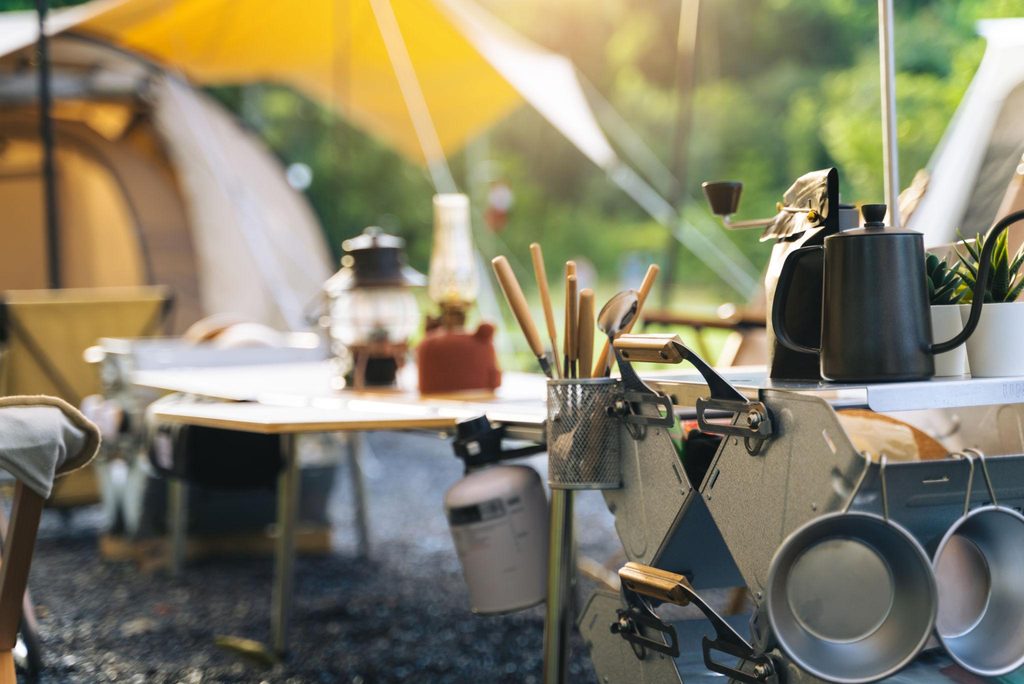
You don’t need a huge collection of camping cookware to make good meals outdoors.
For most beginner campers, a simple cooking setup is enough: one pot or pan, basic utensils, a plate or bowl, a cup, and a way to clean everything afterward.
The right camping cookware depends on how you camp, what you like to eat, and how many people you usually camp with. Car campers can bring heavier and larger cookware, while backpackers need to keep weight and packed size to a minimum.
This guide explains what camping cookware you actually need, what you can skip, and how to build a simple cooking setup without wasting money.
What Camping Cookware Do You Actually Need?
For basic car camping, you can start with a surprisingly small cookware kit.
Basic Camping Cookware Checklist
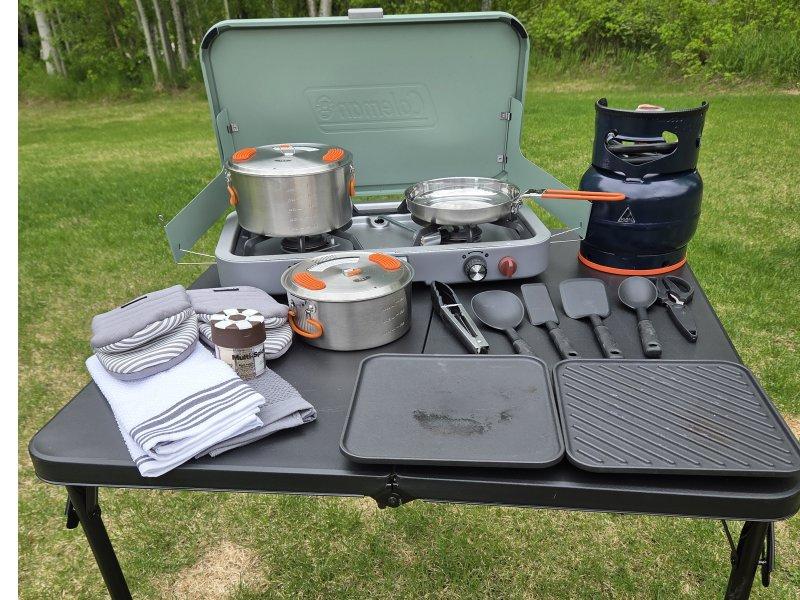
| Item | Do You Need It? | Best For |
|---|---|---|
| Cooking pot | Yes | Boiling water, pasta, soups, one-pot meals |
| Frying pan | Optional | Eggs, meat, vegetables |
| Spatula | Optional | Frying and cooking |
| Cooking spoon | Yes | Stirring and serving |
| Plate or bowl | Yes | Eating meals |
| Cup or mug | Yes | Water, coffee, drinks |
| Knife | Yes | Food preparation |
| Cutting board | Optional | Preparing fresh food |
| Tongs | Optional | Meat and vegetables |
| Can opener | Sometimes | Canned food |
| Camp cookware set | Optional | Convenient all-in-one setup |
You don’t necessarily need every item on this list.
Start with the cookware you need for the meals you actually plan to make.
1. Start With a Camping Pot
A camping pot is one of the most useful pieces of cookware you can own.
You can use it to:
- Boil water
- Cook pasta
- Make soup
- Cook rice
- Prepare oatmeal
- Heat canned food
- Make simple one-pot meals
If you mostly cook simple meals, a single pot may be enough for your first few camping trips.
For car camping, a medium-sized pot is usually more practical than a tiny backpacking pot.
If you’re cooking for two or more people, choose a size that gives you enough room to prepare a full meal without constantly overflowing the pot.
2. Do You Need a Camping Frying Pan?
A frying pan is useful, but it isn’t essential for every camper.
If you enjoy cooking:
- Eggs
- Bacon
- Burgers
- Sausage
- Steak
- Vegetables
- Grilled sandwiches
then a frying pan can be a great addition to your camping kitchen.
However, if your meals mainly involve boiling water, heating prepared food, or making one-pot meals, you can probably skip the frying pan at first.
A Simple Rule
Buy a frying pan when your meals require one—not just because camping cookware sets include one.
This can save both money and storage space.
3. Cooking Utensils
You don’t need a drawer full of cooking utensils at the campsite.
A few basic tools can handle most meals.
Cooking Spoon
A sturdy spoon is useful for stirring, mixing, and serving.
A long handle can be helpful when cooking in a deeper pot.
Spatula
A spatula is useful if you regularly cook eggs, burgers, pancakes, or other foods in a pan.
If you don’t use a frying pan, you probably don’t need one.
Tongs
Tongs are convenient for handling meat and vegetables.
They’re especially useful for grilling or cooking over a larger stove.
For simple meals, however, they’re optional.
4. Bring a Knife—but Keep It Simple
A knife is one of the few tools you should always have in your camping kitchen.
You can use it for:
- Cutting vegetables
- Preparing meat
- Opening food packages
- Slicing bread
- Cutting fruit
You don’t necessarily need a specialized camping knife.
For car camping, a normal kitchen knife can work well if you store and transport it safely.
A small cutting board can also make food preparation much easier.
If you’re only heating prepared meals, you may be able to get by with a small utility knife instead.
5. Plates, Bowls, and Cups
You need something to eat and drink from, but you don’t need expensive camping dinnerware.
Reusable plastic, stainless steel, or lightweight camping dishes can all work.
For beginners, choose something that is:
- Durable
- Easy to clean
- Lightweight
- Easy to store
A bowl can be particularly useful because it works for soups, pasta, oatmeal, rice, and many other meals.
A reusable camping mug or cup can handle coffee, tea, water, and other drinks.
6. Do You Need a Camping Cookware Set?
Camping cookware sets can be convenient because several pieces are designed to work together.
A typical set may include:
- Pot
- Frying pan
- Plates
- Cups
- Utensils
- Storage bag
The biggest advantage is convenience.
Everything can often be packed together, which makes storage easier.
However, cookware sets aren’t automatically better.
You may end up paying for pieces you never use.
Before Buying a Cookware Set, Ask Yourself:
What meals will I actually cook?
If you mostly make simple one-pot meals, a large set may be unnecessary.
If you regularly cook complete meals for several people, a larger cookware set may make sense.
7. Camping Cookware Materials
Camping cookware is commonly made from materials such as aluminum, stainless steel, and titanium.
Each has different advantages.
Aluminum
Aluminum cookware is popular because it is lightweight and generally affordable.
It heats relatively quickly and works well for many basic camping meals.
It’s a practical choice for many car campers and beginners.
Stainless Steel
Stainless steel is durable and resistant to scratches and general wear.
It can be heavier than aluminum, but weight is usually less important when you’re car camping.
If durability is your priority, stainless steel can be a good choice.
Titanium
Titanium is extremely lightweight and popular among backpackers.
The downside is that it can be more expensive and doesn’t always provide the best cooking performance for every meal.
For basic car camping, titanium is often more than you need.
8. Nonstick Camping Cookware
Nonstick cookware can make cooking and cleaning easier.
It’s especially useful for foods that tend to stick, such as:
- Eggs
- Pancakes
- Fish
- Certain vegetables
However, nonstick coatings require more care.
Avoid using metal utensils that can damage the coating, and follow the manufacturer’s care instructions.
If you want maximum durability and don’t mind more careful cooking, stainless steel can be a better long-term option.
9. Do You Need a Cast-Iron Skillet?
Cast iron can be fantastic for camping.
It holds heat well and works particularly well for:
- Steak
- Burgers
- Bacon
- Cornbread
- Dutch oven meals
- Campfire cooking
But cast iron is also heavy.
That’s not usually a problem when you’re driving to the campsite, but it can become inconvenient if you’re trying to keep your gear lightweight.
For backpacking, cast iron is generally impractical.
For car camping, however, it’s a perfectly reasonable choice if you enjoy cooking.
10. How Much Camping Cookware Do You Need?
The answer depends on the number of people and the meals you’re making.
One Person
A simple setup could include:
- 1 small or medium pot
- 1 spoon
- 1 bowl
- 1 cup
- 1 knife
That’s enough for many simple meals.
Two People
A practical setup might include:
- 1 medium pot
- 1 frying pan
- 1 cooking spoon
- 1 spatula
- 2 bowls or plates
- 2 cups
- 1 knife
- 1 small cutting board
You can add more cookware if you regularly prepare more complicated meals.
Family Camping
Families may benefit from:
- Larger pot
- Frying pan
- Larger cooking utensils
- Multiple plates and bowls
- Food preparation tools
- Larger cutting board
The key is to scale your cookware based on the number of people and the meals you’re preparing.
11. What Camping Cookware Can You Skip?
Beginners often buy too much cookware.
You probably don’t need:
- Multiple frying pans
- Several pots
- Specialized camping forks and spoons
- Large cookware sets
- Multiple cutting boards
- Specialty cooking tools
- Expensive camping dinnerware
- A dedicated camping coffee station
- Several different serving utensils
Most of these items can be added later if you discover that you actually need them.
Your first camping kitchen should be simple.
12. Can You Use Regular Kitchen Cookware for Camping?
Yes.
If you’re car camping, you can often use regular kitchen cookware as long as it is suitable for your stove and safe to transport.
This is one of the easiest ways to save money when you’re just starting out.
You don’t need to replace everything in your kitchen with camping-branded equipment.
For example, a regular:
- Pot
- Pan
- Knife
- Spoon
- Cutting board
may work perfectly well for your first few trips.
Camping-specific cookware becomes more useful when you want lighter equipment, easier storage, better durability, or a dedicated camping kitchen setup.
13. How to Pack Camping Cookware
Keeping your cookware organized can make campsite cooking much easier.
Try storing smaller items inside larger cookware.
For example:
Large pot → small utensils → cups → small cooking accessories
This saves space and keeps your kitchen gear together.
You can also use a dedicated cookware bag or storage bin.
Keep cooking equipment separate from food when possible.
This makes it easier to find what you need and helps keep your kitchen organized.
14. Don’t Forget Cleaning Supplies
Cookware is only useful if you can clean it properly.
Bring basic cleaning supplies such as:
- Sponge
- Small scrubber
- Biodegradable dish soap where appropriate
- Small towel
- Water container
- Trash bags
Always follow the campground’s rules for washing dishes and disposing of wastewater.
Don’t dump dirty dishwater directly around your campsite unless the campground specifically allows it.
Food scraps and grease can attract wildlife and create unpleasant conditions for the next camper.
15. Match Your Cookware to Your Camping Style
The best camping cookware depends heavily on how you camp.
Car Camping
You have more space and can bring heavier cookware.
Good options include:
- Stainless steel pots
- Cast-iron pans
- Larger cutting boards
- Full-size kitchen utensils
Backpacking
Weight and packed size become much more important.
A lightweight pot and minimal utensils are usually better.
Family Camping
You may need larger cookware and multiple dishes.
Convenience becomes more important when cooking for several people.
Short Weekend Trips
Keep things simple.
A single pot, basic utensils, and easy-to-clean dishes may be all you need.
A Simple Beginner Camping Kitchen

If you’re not sure where to start, here’s a practical basic setup:
Cooking
- 1 medium camping pot
- 1 frying pan
- 1 cooking spoon
- 1 spatula
- 1 knife
- 1 small cutting board
Eating
- 2 bowls or plates
- 2 cups
- 2 sets of eating utensils
Cleaning
- Sponge
- Dish soap
- Small towel
- Water
- Trash bags
This setup is enough for many simple car-camping meals.
You can add more equipment as your camping style develops.
How to Save Money on Camping Cookware
You don’t need to buy everything at once.
Start with equipment you already own.
Then replace individual items as you discover what works and what doesn’t.
You can also:
- Buy used cookware
- Shop seasonal sales
- Buy individual pieces instead of large sets
- Use household cookware for car camping
- Avoid specialized gadgets
- Choose multipurpose items
A $200 camping kitchen isn’t automatically better than a $50 one.
The best setup is the one that makes cooking easy without filling your car with unnecessary gear.
Final Thoughts
You don’t need a complicated camping kitchen to make good food outdoors.
For most beginners, a simple pot, basic utensils, a knife, a bowl or plate, and a cup are enough to get started.
Add a frying pan, cutting board, tongs, or other cookware only when your meals actually require them.
If you’re car camping, regular kitchen cookware can often work perfectly well. As you gain experience, you can gradually upgrade to camping-specific cookware that fits your cooking style.
The goal isn’t to own the most camping cookware.
Want to learn more? Check out these related camping guides:
→ What Food Should You Bring Camping? Easy Meal Ideas for Beginners