
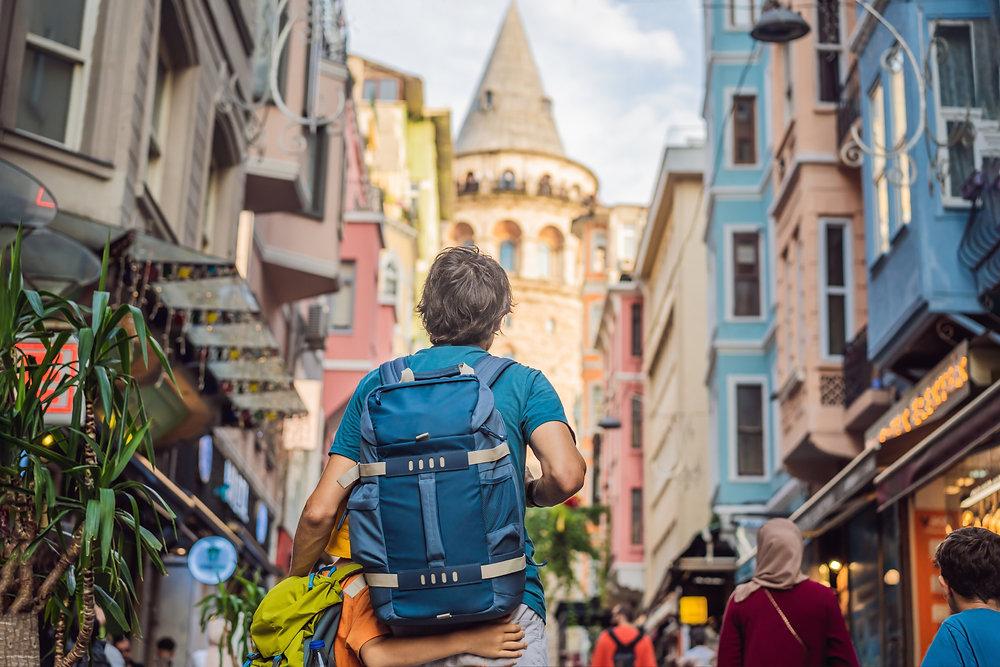
Choosing the right travel backpack can make a big difference in how comfortable and convenient your trip feels.
A good travel backpack should hold everything you actually need without becoming unnecessarily heavy or difficult to carry.
It should also fit your travel style.
A backpack for a weekend city trip may be very different from one used for a two-week international trip, business travel, or a trip that includes hiking.
With so many sizes, designs, and features available, choosing one can feel confusing.
In this guide, you’ll learn how to choose a travel backpack based on size, comfort, weight, organization, durability, security, carry-on compatibility, and the type of trip you’re planning.
1. Decide How You Will Use the Backpack
Start with your trip rather than the backpack.
Think about where you are going and what you will actually do when you arrive.
For example, your needs may be different if you are:
- Taking a weekend city trip
- Traveling internationally
- Going on a business trip
- Traveling by train or bus
- Backpacking between multiple cities
- Combining travel with hiking
- Traveling with only carry-on luggage
- Using a backpack as a secondary bag
A travel backpack should match your trip.
Buying the largest backpack available is not always the best solution.
2. Choose the Right Backpack Size
Capacity is usually measured in liters.
Travel backpacks commonly fall into several general size ranges.
20–30 Liters
This size can work well as a personal daypack or for very light travelers.
It may be suitable for:
- Day trips
- Short weekend trips
- Minimalist packing
- Electronics and personal items
- Secondary travel bags
30–40 Liters
This is a popular range for travelers who want a relatively compact bag.
A backpack in this range can work well for:
- Weekend trips
- Light packing
- Carry-on travel
- City travel
- One-bag travel
40–50 Liters
This range provides more room for clothing and travel equipment.
It can work well for:
- Longer trips
- International travel
- Travelers who pack more clothing
- Trips involving different climates
- Travelers who want one main bag
50–60+ Liters
Larger backpacks provide more storage but also become heavier and bulkier when fully packed.
They may make sense for:
- Extended trips
- Adventure travel
- Trips requiring bulky equipment
- Travel combined with outdoor activities
However, a larger backpack isn’t automatically better.
The more space you have, the easier it can be to overpack.
For shorter trips and carry-on travel, a 30–40 liter backpack is often enough. For longer trips, a larger pack in the 40–55 liter range may provide the extra space you need.
3. Think About How Long You Will Travel
Trip length matters, but it isn’t the only factor.
A person traveling for two weeks with a small wardrobe may need less space than someone traveling for five days with bulky clothing and equipment.
Consider:
- How many days you will be away
- How often you can do laundry
- What type of clothing you need
- Whether you are traveling through different climates
- Whether you need electronics
- Whether you are bringing specialized equipment
If laundry is available during your trip, you may be able to travel with much less clothing.
4. Don’t Choose a Backpack That’s Too Large
One of the most common beginner mistakes is buying too much capacity.
A large backpack can encourage you to pack things you don’t actually need.
It can also become uncomfortable once fully loaded.
A smaller backpack encourages more careful packing and can make airports, trains, buses, stairs, and crowded streets easier to navigate.
Choose enough capacity for your normal trips rather than the biggest trip you might take someday.
5. Check Carry-On Dimensions
If you want to travel without checking your main bag, pay close attention to carry-on dimensions.
Airlines set their own baggage requirements, and limits can vary by airline, fare type, aircraft, and route.
A backpack that qualifies as a carry-on with one airline may not meet another airline’s requirements.
Always check the airline’s current baggage rules before your trip.
Don’t rely only on a backpack manufacturer’s claim that a bag is “carry-on compatible.”
Carry-on size and weight limits vary by airline, so check your airline’s current baggage requirements before your trip.
6. Understand Carry-On vs Personal Item
Carry-on and personal item are not necessarily the same thing.
A carry-on bag generally goes in the overhead compartment.
A personal item is usually a smaller bag that fits underneath the seat in front of you.
Airlines can have different size restrictions for both.
This matters because a backpack that looks small enough to you may still be too large to qualify as a personal item.
If you plan to travel with only one small backpack, check the airline’s personal-item dimensions before buying.
7. Consider the Backpack’s Weight
The backpack itself has weight before you put anything inside.
Two backpacks with similar capacity can have noticeably different empty weights.
A lighter backpack gives you more flexibility for your actual belongings.
This becomes particularly important when you need to carry the bag for long periods.
Think about situations such as:
- Walking through airports
- Climbing stairs
- Riding public transportation
- Walking between hotels
- Exploring cities
- Carrying the bag through train stations
The lighter the bag, the less of your total load is used by the backpack itself.
8. Focus on Comfort
A travel backpack can look great but still be uncomfortable.
Comfort becomes especially important if you expect to carry it for more than a few minutes at a time.
Look for:
- Padded shoulder straps
- A comfortable back panel
- Adjustable straps
- A supportive hip belt when appropriate
- Good weight distribution
- A torso size that fits you properly
The right fit matters more than simply choosing a backpack with thick padding.
For larger backpacks, fit and support become increasingly important.
9. Check the Shoulder Straps
Shoulder straps should feel comfortable without digging into your neck or shoulders.
Look for straps that can be adjusted to your body.
The shape and padding should also work with your clothing and the amount of weight you normally carry.
A good strap system should keep the backpack close to your body without making you feel restricted.
10. Consider a Hip Belt
A hip belt can help stabilize a larger or heavier backpack.
For a small travel backpack carrying only a light load, you may not need a substantial hip belt.
For larger travel packs, however, a supportive hip belt can make carrying the backpack more comfortable.
The importance of a hip belt increases as the load becomes heavier.
11. Look at the Back Panel
The back panel affects comfort, ventilation, and how the backpack sits against your body.
Some backpacks use padded panels.
Others include channels or suspended designs intended to increase airflow.
If you travel in warm climates, ventilation may be particularly useful.
However, additional padding and ventilation structures can sometimes increase weight.
Consider where and when you travel before deciding how important this feature is.
12. Choose a Travel-Friendly Opening
Travel backpacks can open in different ways.
Top-Loading
Traditional backpacks usually open from the top.
This design can work well for hiking and outdoor activities, but finding items at the bottom can be inconvenient.
Front-Loading
Some travel backpacks open widely from the front.
This allows you to pack and access clothing more like a suitcase.
Clamshell Opening
A clamshell backpack opens almost completely flat.
This can make packing and unpacking easier, especially when staying in hotels and moving between destinations.
Choose the opening style that matches how you normally pack.
13. Check the Organization
Think about the items you carry every day.
A travel backpack may include compartments for:
- Passport
- Wallet
- Phone
- Laptop
- Tablet
- Chargers
- Water bottle
- Clothing
- Shoes
- Toiletries
- Documents
Good organization can save time.
But too many pockets can also become confusing.
Choose compartments that actually match your packing style.
14. Look for a Laptop Compartment if You Need One
If you travel with a laptop, a dedicated compartment can make transportation easier.
Check the maximum laptop size supported by the backpack.
Don’t assume that a backpack labeled “laptop backpack” will automatically fit your specific computer.
Measure your device if necessary.
Also think about where the laptop compartment is located.
A compartment that allows quick access can be useful at airports and security checkpoints.
15. Think About Your Electronics
Modern travelers often carry more electronics than clothing.
You may need space for:
- Laptop
- Tablet
- Phone
- Camera
- Chargers
- Power bank
- Headphones
- Cables
A dedicated electronics compartment can make organization easier.
However, don’t choose a highly technical backpack if you don’t actually travel with much technology.
Extra compartments add complexity and sometimes weight.
16. Consider Security Features
Travel backpacks can include features designed to make access more difficult for someone else.
Examples include:
- Lockable zippers
- Hidden pockets
- Concealed compartments
- Zipper covers
- Slash-resistant materials
- RFID-blocking pockets
These features can be useful depending on where you travel.
However, no backpack can completely prevent theft.
Good travel habits are still important.
Keep valuables secure, avoid leaving your backpack unattended, and pay attention in crowded areas.
17. Look for Lockable Zippers
Lockable zipper pulls can be useful when traveling through busy airports, train stations, or crowded tourist areas.
They don’t make a backpack completely theft-proof.
Their main benefit is making quick access more difficult.
If security is important to you, look at how the zipper system actually works rather than simply choosing a backpack because the product description says “secure.”
18. Consider Water Resistance
Your backpack doesn’t necessarily need to be completely waterproof.
However, some level of water resistance can be useful.
Think about the environments you expect to encounter:
- Rainy cities
- Outdoor travel
- Hiking
- Boat trips
- Humid climates
- Winter travel
If the backpack isn’t waterproof, you can consider using a rain cover or waterproof packing bags for important items.
Electronics and travel documents deserve extra protection.
19. Check the Materials
Travel backpacks are commonly made from synthetic fabrics designed to balance weight and durability.
When comparing materials, consider:
- Abrasion resistance
- Water resistance
- Weight
- Stitching quality
- Zipper quality
- Overall construction
You don’t necessarily need the toughest material available.
Choose a level of durability that matches how often and where you travel.
20. Think About the Zippers
Zippers are easy to overlook until one fails.
A travel backpack can be excellent in every other way, but a poor zipper can make the bag frustrating to use.
Check whether the zippers feel smooth.
Look at how much stress is placed on them when the bag is full.
A wide-opening backpack can also put more stress on zippers, so construction quality matters.
21. Consider a Removable Daypack
Some travel backpacks come with a removable smaller backpack.
This can be useful for travelers who want:
- One main travel bag
- A smaller day bag
- A bag for sightseeing
- A bag for short hikes
- A personal-item option
However, removable daypacks can add weight and complexity.
If you already own a small daypack, you may not need this feature.
22. Think About Your Destination
Your destination should influence your backpack choice.
City Travel
Prioritize:
- Organization
- Security
- Laptop protection
- Comfortable carrying
- Compact size
International Travel
Prioritize:
- Carry-on compatibility
- Organization
- Durability
- Comfortable carrying
- Security
Outdoor Travel
Prioritize:
- Durability
- Weather resistance
- Comfortable suspension
- Compatibility with outdoor gear
Business Travel
Prioritize:
- Laptop protection
- Document organization
- Professional design
- Easy airport access
Mixed Travel and Hiking
A standard travel backpack may not always be the best option.
If you expect to spend significant time hiking, a backpack designed for outdoor use may provide better support and fit.
Think about the activities you plan to do during your trip. Hiking, sightseeing, and other outdoor activities may call for different types of travel backpacks.
23. Travel Backpack vs Suitcase
A backpack and suitcase each have advantages.
Travel Backpack
Good for:
- Stairs
- Public transportation
- Uneven streets
- Short walking distances
- One-bag travel
- More mobile trips
Suitcase
Good for:
- Hotels
- Airports
- Smooth sidewalks
- Heavy loads
- Travelers who prefer rolling luggage
A travel backpack is not automatically better than a suitcase.
The best choice depends on how you travel.
24. Travel Backpack vs Regular Backpack
A regular daypack can work for short trips.
But travel backpacks often have features specifically designed for traveling.
These may include:
- Larger capacity
- Suitcase-style opening
- Laptop protection
- Travel organization
- Lockable zippers
- Stowable straps
- Hip belts
- Multiple carry options
If you already own a comfortable backpack, you may not need a dedicated travel backpack for every trip.
25. Think About Your Packing Style
Some people like everything organized into separate compartments.
Others prefer one large compartment with packing cubes.
Neither approach is automatically better.
If you use packing cubes, you may not need dozens of internal pockets.
If you prefer built-in organization, look for a backpack with dedicated compartments.
Choose the backpack that matches the way you actually pack.
26. Don’t Forget About Toiletries
Toiletries can take up more space than expected.
Think about:
- Toothbrush
- Toothpaste
- Shampoo
- Skincare
- Shaving supplies
- Travel towel
- Medications
- Other personal-care items
A separate toiletry compartment can make these items easier to access.
For air travel, also remember that liquids and gels are subject to security rules that can vary by airport and jurisdiction.
27. Consider Shoes and Bulky Items
Shoes can consume a surprising amount of backpack space.
If you need more than one pair, think carefully about where they will go.
A separate shoe compartment can help keep clothing clean.
Alternatively, you can use a shoe bag or packing cube.
The same applies to jackets, camera equipment, and other bulky items.
28. Think About Laundry
Laundry can dramatically reduce the amount of clothing you need to carry.
If you know you can wash clothes during your trip, you may be able to use a smaller backpack.
This is one of the easiest ways to reduce luggage size.
Instead of packing a separate outfit for every day, consider bringing versatile clothing that can be worn multiple times.
29. Test the Backpack Before Your Trip
If possible, test the backpack with the amount of weight you expect to carry.
Put your actual travel items inside.
Walk around your home.
Try stairs.
Wear it for 15–20 minutes.
Pay attention to:
- Shoulder pressure
- Back comfort
- Hip belt comfort
- Weight distribution
- Access to pockets
- Laptop access
- Overall balance
A backpack that feels comfortable empty may feel very different when fully packed.
30. Don’t Buy Based Only on Appearance
A backpack can look great in photographs and still be uncomfortable.
Don’t choose one based only on:
- Color
- Brand
- Style
- Number of pockets
- Marketing photos
Consider how it actually fits your body and supports your travel habits.
Comfort and functionality usually matter more than appearance after the first few hours of travel.
31. How Much Should You Spend?
Travel backpacks are available at many price points.
You don’t necessarily need an expensive backpack.
A higher price may reflect:
- Better materials
- Better suspension
- More durable construction
- Better zippers
- More refined organization
- Warranty or repair support
But expensive does not automatically mean better for your specific trip.
Set a budget and compare the features you actually need.
32. A Simple Travel Backpack Setup
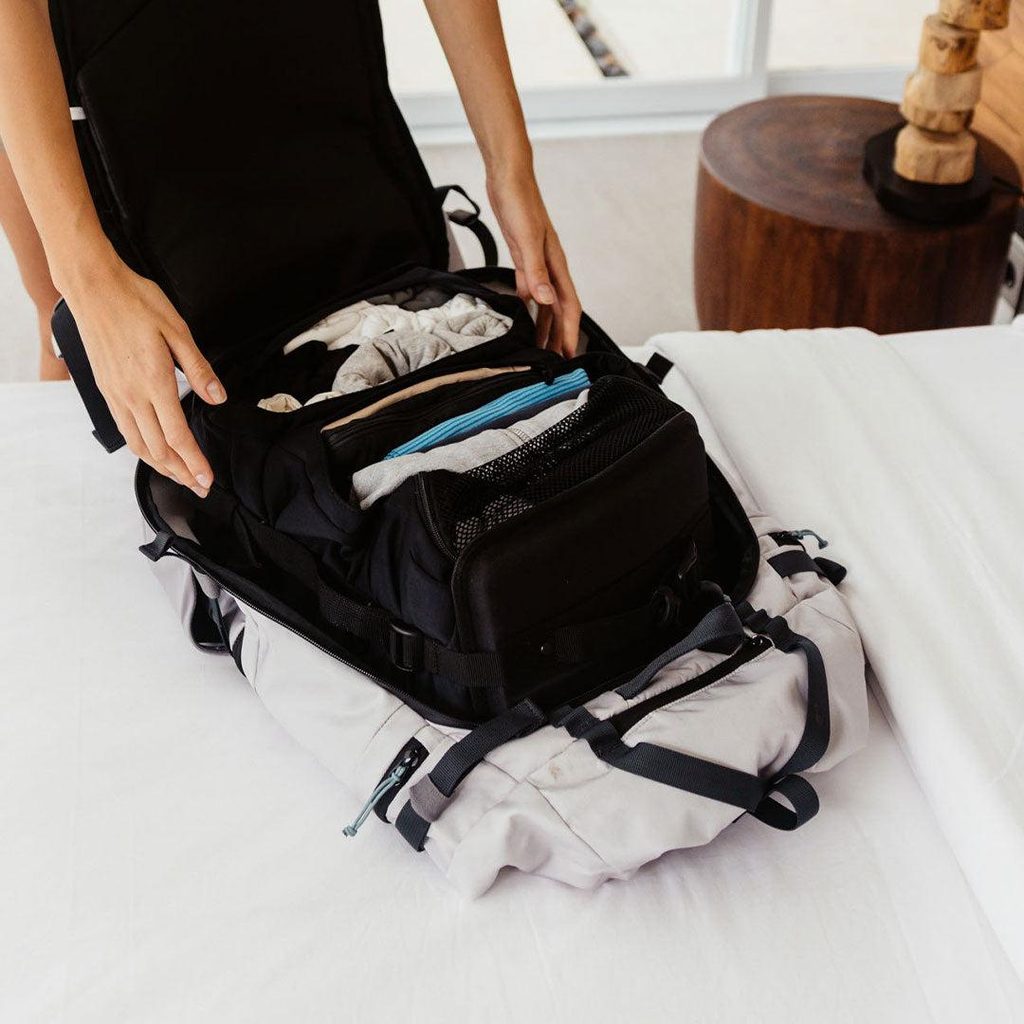
For a typical short international trip, your backpack might contain:
Main compartment
- 3–5 shirts
- 2–3 pairs of pants or shorts
- Underwear
- Socks
- Lightweight jacket
Organization compartment
- Toiletries
- Small personal items
- Travel documents
Electronics compartment
- Laptop or tablet
- Charger
- Power bank
- Headphones
Quick-access pocket
- Passport
- Wallet
- Phone
- Boarding information
Adjust the contents based on your destination, weather, trip length, and personal needs.
33. Travel Backpack Buying Checklist
Before buying a travel backpack, check:
- Capacity fits your normal trips
- Dimensions meet your intended airline’s rules
- Weight is reasonable
- Shoulder straps are comfortable
- Back panel fits comfortably
- Hip belt is appropriate for the load
- Main compartment is easy to access
- Organization matches your packing style
- Laptop compartment fits your device
- Zippers feel durable
- Materials match your travel conditions
- Weather resistance is adequate
- Security features meet your needs
- Replacement or repair support is available
- Backpack feels comfortable when fully loaded
Common Travel Backpack Mistakes
Buying Too Much Capacity
A larger bag often leads to heavier packing.
Ignoring Airline Rules
“Carry-on size” is not universal.
Always check the airline you are flying.
Choosing a Backpack That Doesn’t Fit
A poorly fitting backpack can become uncomfortable quickly.
Focusing Only on Pockets
More pockets don’t automatically mean better organization.
Buying Based Only on Price
The cheapest and most expensive options may both be wrong for your needs.
Forgetting Empty Backpack Weight
A heavy backpack reduces the amount of useful gear you can carry comfortably.
Not Testing It Fully Loaded
Always test the backpack with a realistic load before a major trip.
Final Thoughts
The best travel backpack is not necessarily the biggest, lightest, or most expensive one.
It is the one that fits your body, holds what you actually need, and works with the way you travel.
Start by deciding how long your trips usually are and whether you want to travel with carry-on luggage.
Then consider capacity, dimensions, weight, comfort, organization, durability, security, and special features such as laptop compartments or removable daypacks.
Most importantly, don’t buy a backpack for a hypothetical trip you may never take.
Choose a bag that works for the trips you actually enjoy taking.
A well-chosen travel backpack can make airports easier, public transportation simpler, city walks more comfortable, and the entire trip feel less complicated.
Want to learn more? Check out these related camping guides:
→ What to Pack for a Trip: A Beginner’s Packing Checklist