
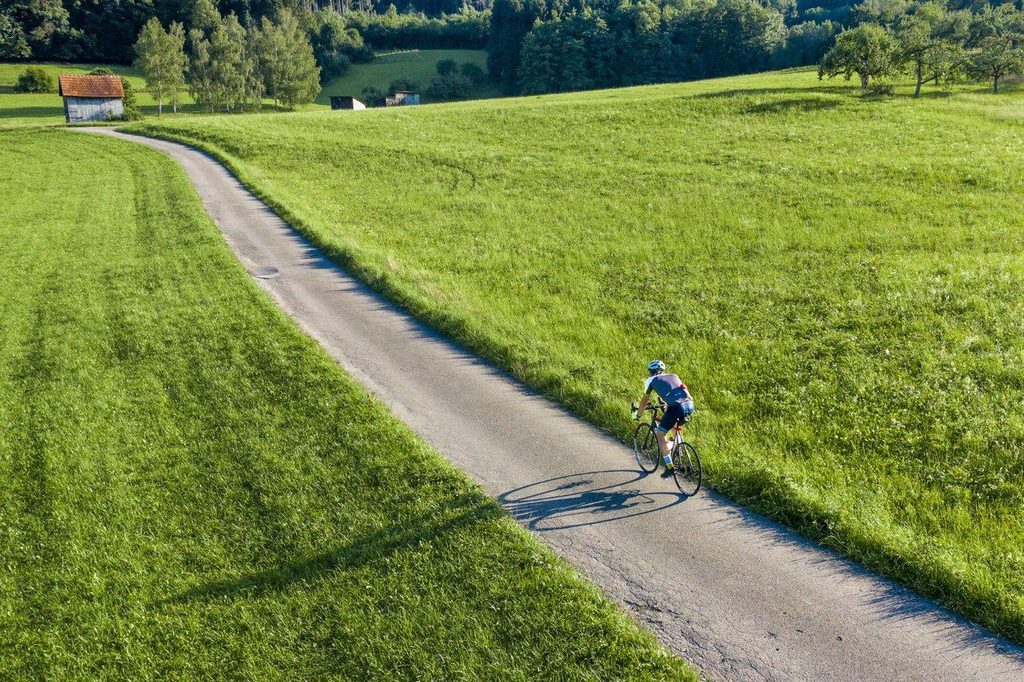
One of the most rewarding moments for a new cyclist is realizing that a ride that once felt long has suddenly become comfortable.
You may start with a short ride around your neighborhood and eventually want to explore longer roads, parks, countryside routes, or scenic trails. But riding farther is not simply about pushing harder.
Cycling endurance develops gradually.
The goal is to help your body become comfortable spending more time on the bike while learning how to manage your pace, energy, hydration, and recovery. A steady approach is usually more sustainable than trying to increase distance quickly.
This beginner-friendly guide explains how to build cycling endurance, extend your riding time, avoid common mistakes, and make longer rides more enjoyable.
Internal Link: If you are still learning the basics of cycling, start with our guide to 10 Basic Skills Every New Cyclist Should Learn before focusing on longer rides.
1. Understand What Cycling Endurance Means
Cycling endurance is your ability to continue riding comfortably for a longer period of time without becoming excessively fatigued.
It is different from maximum speed.
You do not need to become a fast cyclist before you can ride farther. In fact, beginners often find that slowing down slightly allows them to stay on the bike much longer.
Endurance involves several things working together:
- Cardiovascular fitness
- Leg strength and muscular endurance
- Comfortable riding technique
- Efficient pacing
- Hydration
- Nutrition
- Recovery
- Bike comfort
Improving one area while ignoring the others can make longer rides unnecessarily difficult.
For example, you may have enough fitness to ride for two hours, but an uncomfortable riding position or poor pacing can make the experience much harder than necessary.
2. Start With Your Current Riding Level
Before trying to ride farther, think about what feels comfortable now.
Ask yourself:
- How long can I currently ride comfortably?
- How do I feel after finishing?
- Do I recover quickly?
- Do I become tired because of my legs, breathing, or overall energy?
- Do I experience discomfort while sitting on the bike?
- Can I maintain a steady pace without frequent stops?
There is no need to compare your current ability with another cyclist.
Your starting point is simply the distance and time that you can handle comfortably today.
If your normal ride is 30 minutes, for example, your first goal might simply be to make some rides slightly longer rather than immediately attempting several hours.
The important thing is to give your body time to adapt.
3. Increase Riding Time Gradually
One of the biggest mistakes beginners make is increasing distance too quickly.
You may finish a ride feeling excited and decide to double the distance the following weekend. Your cardiovascular system may feel ready, but your muscles, joints, hands, and other contact points may not be.
A gradual progression gives your body more time to adapt.
Instead of thinking:
“How far can I ride this weekend?”
think:
“How can I make longer riding feel normal over the next several weeks?”
For example, if you normally ride for about an hour, you could gradually introduce rides that are somewhat longer while keeping other rides shorter and easier.
You do not need to increase every ride.
A simple approach is:
- Keep some rides short
- Add one longer ride when you feel ready
- Keep the pace comfortable
- Allow recovery between demanding rides
- Repeat the process consistently
Consistency is more important than one unusually long ride.
4. Make One Ride Your Longer Ride
If you ride several times per week, consider making one ride slightly longer than the others.
For example:
Ride 1
Short and comfortable
Ride 2
Moderate and steady
Ride 3
Longer, relaxed ride
This gives you regular riding practice without making every session demanding.
Your longer ride does not need to be fast.
Its main purpose is to become comfortable with spending more time on the bicycle.
Over time, you can gradually extend this ride as your body adapts.
5. Slow Down at the Beginning
Starting too fast is one of the easiest ways to make a long ride unnecessarily difficult.
The excitement of starting a new route can make you pedal harder than planned. You may feel great for the first 20 or 30 minutes, only to struggle later.
Instead, start conservatively.
A useful beginner rule is:
If the first part of the ride feels slightly too easy, that may be a good sign.
You should be able to maintain a controlled effort rather than constantly feeling like you are racing.
A steady beginning leaves more energy for the second half of the ride.
6. Learn to Find a Comfortable Pace
Your ideal endurance pace will depend on your fitness, terrain, weather, and experience.
For beginners, one simple way to judge intensity is to pay attention to your breathing and ability to speak.
During an easy endurance ride, you should generally be able to speak in short sentences without feeling completely out of breath.
This does not mean every ride must be extremely slow.
Instead, it gives you a practical way to recognize when you are pushing harder than necessary.
Try to avoid turning every hill, straight section, or downhill into a competition with yourself.
Longer rides are about managing effort over the entire route.
7. Use Your Gears to Maintain Smooth Effort
Changing gears is not just about going faster.
It can help you maintain a comfortable pedaling effort when the terrain changes.
On an uphill section, a lower gear can make pedaling easier.
On flatter terrain, you may choose a gear that allows you to maintain a comfortable rhythm.
Instead of waiting until your legs are already struggling, shift earlier when the road starts changing.
Smooth gear changes can help reduce unnecessary fatigue during longer rides.
8. Focus on a Smooth Pedaling Rhythm
Beginners sometimes push a very heavy gear because it feels powerful.
However, constantly forcing a large gear can make your legs feel tired sooner.
Instead, experiment with a gear that allows you to pedal smoothly and comfortably.
Your goal is not to find one perfect cadence number.
Your goal is to avoid:
- Grinding slowly with excessive force
- Constantly changing speed
- Sudden bursts of effort
- Pushing too hard on small hills
A smooth rhythm is particularly useful during longer rides because small inefficiencies become more noticeable as riding time increases.
9. Pay Attention to Your Riding Position
Comfort becomes increasingly important as ride duration increases.
A position that feels fine for 30 minutes may become uncomfortable after two hours.
Pay attention to:
- Saddle height
- Handlebar position
- Reach
- Hand position
- Foot position
- Overall posture
Keep your upper body relaxed and avoid gripping the handlebars unnecessarily tightly.
Change hand positions when appropriate and avoid staying in exactly the same position for the entire ride.
If you repeatedly experience significant pain or numbness, do not simply try to push through it. Consider checking your bike fit and equipment setup.
10. Practice Your Basic Skills
Longer rides become easier when basic bike handling becomes automatic.
You should be comfortable with:
- Starting
- Stopping
- Braking
- Cornering
- Looking behind you safely
- Changing gears
- Riding in a predictable line
- Handling small changes in road surface
These skills allow you to spend less mental energy worrying about basic control.
11. Build Distance Before Chasing Speed
It can be tempting to track every ride by average speed.
However, speed should not be the only measure of progress.
You may be improving even if your average speed remains similar.
For example, progress could look like:
Week 1: 45 minutes comfortably
Week 2: 55 minutes comfortably
Week 3: 65 minutes comfortably
Week 4: 70 minutes with less fatigue
That is meaningful improvement even if your average speed has barely changed.
Once you can ride longer comfortably, you can decide whether increasing speed is another goal you want to pursue.
12. Take Short Breaks When You Need Them
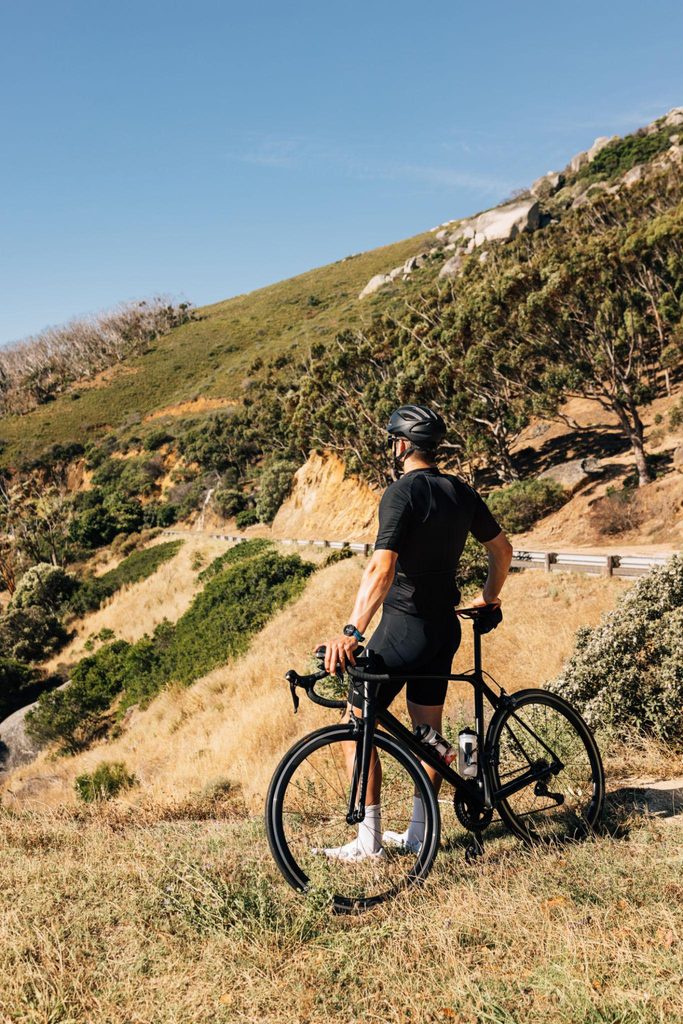
There is no rule saying that a long ride must be completed without stopping.
Short breaks can help you:
- Drink water
- Eat a snack
- Stretch briefly
- Check your route
- Adjust your clothing
- Check your bicycle
- Rest your legs
The goal is not to avoid every break.
The goal is to prevent fatigue from becoming so severe that the final part of the ride becomes difficult or unsafe.
For beginners, a relaxed break can also make longer rides feel much less intimidating.
13. Stay Hydrated During Longer Rides
Hydration becomes increasingly important as riding time and environmental conditions change.
How much you need can vary with:
- Temperature
- Humidity
- Ride duration
- Exercise intensity
- Individual sweat rate
Carry enough water for the route and know where you can refill if necessary.
Do not wait until you are extremely thirsty before thinking about hydration.
For shorter and easier rides, a simple water plan may be enough. Longer rides require more planning, especially in warm weather.
Before a long ride, check:
- How many bottles you can carry
- Whether water is available along the route
- Weather conditions
- Expected ride duration
- Whether you need additional fluids
14. Eat Before You Become Completely Hungry
As rides become longer, food can become an important part of your plan.
For a short ride, you may not need to carry much food.
For a longer ride, however, having a simple snack available can help you manage your energy.
Good options are foods that:
- Are easy to carry
- Are easy to eat
- You already know you tolerate well
- Do not require complicated preparation
Examples might include:
- Bananas
- Dried fruit
- Simple sandwiches
- Oat-based snacks
- Crackers
- Other familiar carbohydrate-rich foods
Do not experiment with a completely unfamiliar food strategy for the first time on your longest ride.
Practice your eating routine on shorter rides first.
15. Choose a Beginner-Friendly Route
The route itself can determine how difficult a ride feels.
If your goal is to build endurance, consider choosing a route with:
- Manageable elevation
- Reliable road or trail conditions
- Places to stop
- Water access
- Food options when needed
- Safe turnaround points
- Easy navigation
A slightly longer route with gentle terrain may be more useful for endurance practice than a shorter route filled with steep climbs.
As your fitness improves, you can gradually introduce more challenging terrain.
16. Use an Out-and-Back Route When Appropriate
An out-and-back route can be useful for beginners.
Instead of creating a complicated loop, you ride to a planned point and then return along the same route.
This has several advantages:
- Easier navigation
- Familiar roads on the return
- Easy distance planning
- Simple bailout options
- Less concern about getting lost
You can also decide in advance where you will turn around.
For example:
Ride 30 minutes out → Rest → Ride 30 minutes back
This can be a simple way to increase total riding time without worrying about completing an unfamiliar loop.
17. Check the Weather Before a Longer Ride
Weather becomes more important as your riding time increases.
A short ride can sometimes be adjusted easily.
A three-hour ride is a different situation.
Before leaving, check:
- Temperature
- Rain probability
- Wind
- Heat
- Cold conditions
- Visibility
- Expected weather changes
Bring clothing appropriate for the conditions and consider how the weather may change during the entire ride.
A lightweight extra layer can be useful when temperatures may drop or rain becomes possible.
18. Learn How to Manage Hills
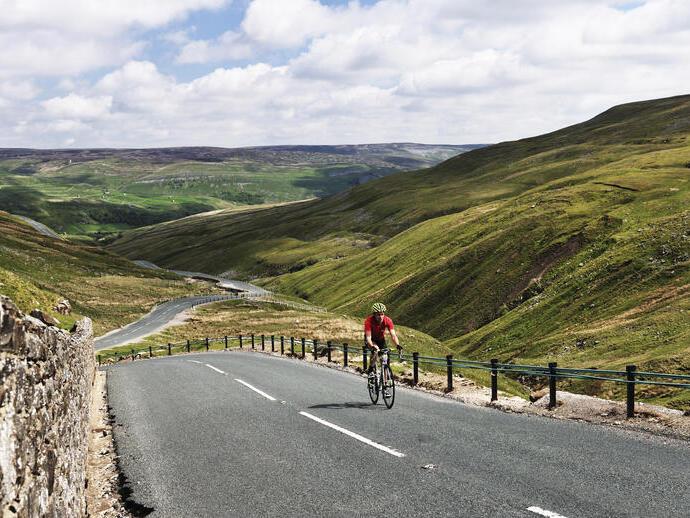
Hills can make a longer ride feel much harder if you attack every climb aggressively.
Instead:
Before the Hill
Shift into an easier gear early.
During the Climb
Maintain a manageable effort.
Near the Top
Avoid immediately accelerating just because the climb is ending.
After the Hill
Recover gradually and return to a comfortable rhythm.
You do not need to climb every hill quickly.
For endurance riding, controlled effort is often more useful than trying to set a personal record on every climb.
19. Protect Your Energy for the Second Half
One of the best skills you can develop is learning how to manage your energy.
Think of a longer ride as several sections rather than one huge distance.
For example:
First quarter: Easy
Second quarter: Comfortable
Third quarter: Steady
Final quarter: Adjust according to how you feel
This mindset helps prevent the common mistake of using too much energy early.
If you finish a ride feeling like you could have continued a little longer, that can be a better endurance-building experience than finishing completely exhausted.
20. Recovery Is Part of Endurance Training
Endurance does not improve only while you are riding.
Recovery is also part of the process.
After a longer ride:
- Drink fluids
- Eat a normal balanced meal
- Rest
- Get enough sleep
- Pay attention to unusual soreness
- Avoid immediately scheduling another demanding ride
You do not need to make every day a training day.
Sometimes the best thing you can do for your next ride is allow your body to recover from the previous one.
21. A Simple Weekly Cycling Routine for Beginners
You can keep your routine simple.
Day 1 — Easy Ride
Ride comfortably for a short duration.
Focus on smooth pedaling and relaxed handling.
Day 2 — Rest or Light Activity
Take a rest day or do another easy activity.
Day 3 — Moderate Ride
Ride for a little longer while maintaining a controlled effort.
Day 4 — Rest
Allow your body to recover.
Day 5 — Easy Ride
Keep the pace comfortable and focus on technique.
Day 6 — Longer Ride
Gradually extend your riding time.
Day 7 — Rest
Recover and prepare for the following week.
You can adjust the number of riding days according to your schedule and current fitness.
The important part is not following a perfect schedule.
It is creating a routine that you can maintain.
22. Signs That You Are Progressing
Cycling endurance is improving when longer rides begin to feel more manageable.
You may notice that:
- You recover faster after riding
- You can maintain a steady pace longer
- Hills feel less intimidating
- You stop less frequently
- Your breathing feels more controlled
- Your legs feel less tired after similar rides
- You can enjoy the scenery instead of constantly thinking about distance
- A ride that once felt long becomes a normal ride
These changes can be more meaningful than simply seeing a higher number on your cycling computer.
23. Common Beginner Mistakes
Riding Too Fast at the Start
Starting aggressively can leave you exhausted later.
Increasing Distance Too Quickly
Your fitness may improve faster than your muscles and connective tissues can adapt.
Making Every Ride Hard
Not every ride needs to be a challenge.
Ignoring Hydration
Waiting until you feel severely thirsty can make a long ride more difficult.
Waiting Too Long to Eat
If a ride is long enough to require additional energy, plan your food before you become completely exhausted.
Ignoring Comfort
Small discomforts can become major problems after several hours.
Choosing a Difficult Route Too Soon
Steep hills and complicated terrain can turn endurance practice into a much harder workout.
Comparing Yourself With Other Cyclists
Everyone starts from a different point.
Skipping Recovery
More riding is not always better if your body never gets enough time to recover.
24. Longer Ride Checklist
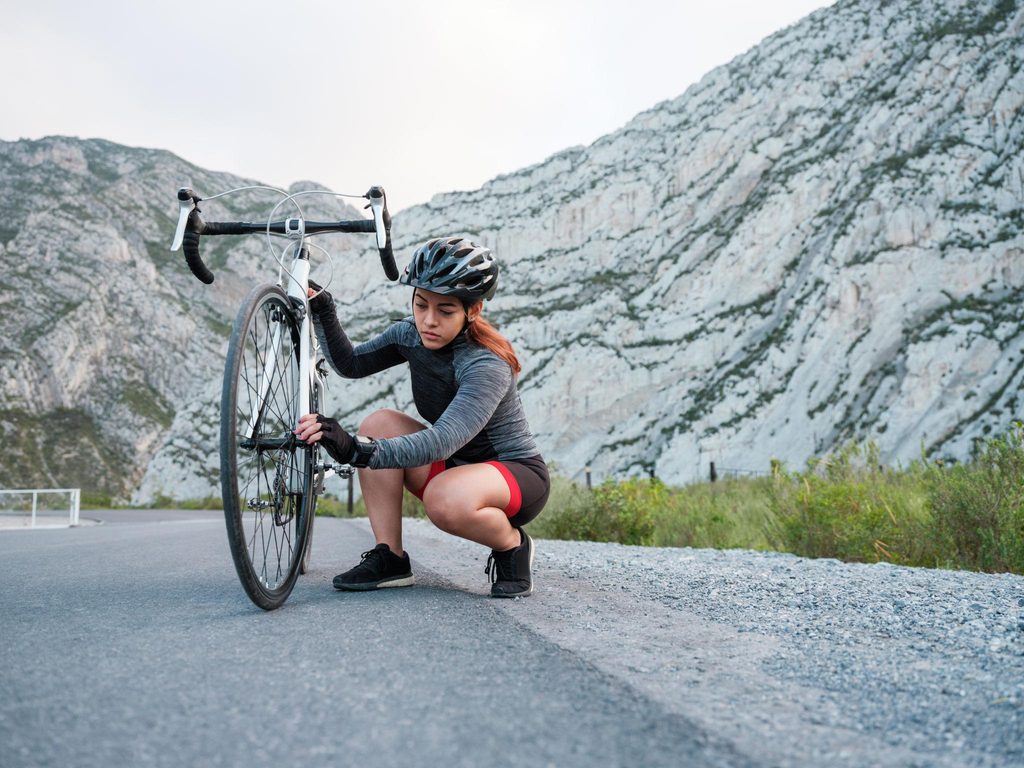
Before leaving for a longer ride, check:
Bicycle
- Tires checked
- Brakes working properly
- Gears shifting normally
- Chain condition checked
- Saddle and handlebars comfortable
Clothing
- Comfortable clothing
- Weather-appropriate layer
- Comfortable footwear
- Protection from sun or rain when needed
Food and Water
- Water bottles filled
- Food or snacks packed
- Refill points identified
- Food plan appropriate for ride length
Route
- Route checked
- Weather checked
- Rest points identified
- Possible turnaround points identified
- Navigation available
Emergency Preparation
- Phone charged
- Basic repair supplies
- Identification or payment method
- Emergency contact information
- Someone knows your general route when appropriate
25. A Simple Formula for Riding Farther
When you want to increase your cycling endurance, remember:
Ride Easy → Ride Consistently → Add Time → Fuel and Hydrate → Recover
Ride Easy
Do not make every ride a race.
Ride Consistently
Regular riding gives your body repeated opportunities to adapt.
Add Time
Gradually extend one ride rather than suddenly doubling your distance.
Fuel and Hydrate
Prepare for longer rides before you become exhausted.
Recover
Give your body time to adapt before adding another demanding session.
This simple approach can help make longer rides feel more natural.
Final Thoughts
Riding farther is not about forcing yourself to suffer through increasingly long distances.
It is about gradually becoming more comfortable on the bicycle.
Start with the distance you can already handle. Ride at a controlled pace, practice smooth gear changes, stay hydrated, bring appropriate food for longer rides, choose manageable routes, and give yourself enough recovery time.
As your confidence and endurance grow, distances that once seemed difficult can become normal parts of your cycling routine.
The best long ride is not necessarily the fastest or longest one.
For a beginner, it is the ride that leaves you feeling comfortable enough to want to ride again.