

Choosing what to put on the end of your fishing line can be one of the most confusing parts of learning to fish.
Walk into a fishing store or look through a tackle box and you may find dozens of different hooks, baits, lures, colors, shapes, and sizes. For a beginner, it can be difficult to know what actually matters.
The good news is that you do not need a huge collection of fishing tackle to get started.
The most important thing is understanding why you are choosing a particular bait or lure.
Your choice can depend on the fish you want to catch, the type of water you are fishing, the depth, water clarity, weather, time of day, and the kind of food available to fish in that environment.
This beginner-friendly guide explains how to choose bait and lures, when to change your approach, and how to avoid buying or carrying more tackle than you actually need.
1. Start With the Fish You Want to Catch
The first question should not be:
“Which lure is the best?”
Instead, ask:
“What fish am I trying to catch?”
Different fish feed on different types of food and may spend time in different parts of the water.
Before choosing your bait or lure, find out:
- What fish live in the area
- What fish are commonly caught there
- What they normally eat
- Where they are likely to hold
- What depth they use
- Which fishing methods are allowed
A small bait may work well for smaller fish, while a larger presentation may be more appropriate for larger species.
You do not need to understand every species before your first trip.
Start with the fish you are realistically likely to encounter.
2. Understand the Difference Between Bait and Lures

For beginners, it helps to understand the basic difference between natural bait and artificial lures.
Natural Bait
Natural bait uses something that fish may naturally recognize as food.
Depending on local regulations and the target species, examples can include:
- Worms
- Insects
- Small pieces of natural food
- Other locally permitted bait
Natural bait can be useful when your main goal is learning how fish respond to a simple food presentation.
Artificial Lures
Artificial lures are designed to imitate or suggest something a fish might eat.
They can imitate:
- Small fish
- Insects
- Crustaceans
- Worms
- Frogs
- Other prey
Artificial lures can also create movement, vibration, flash, or other signals that attract fish.
Neither approach is automatically right for every situation.
The better choice depends on your target fish, fishing location, conditions, and experience.
3. Choose Simple Tackle When You Are Starting
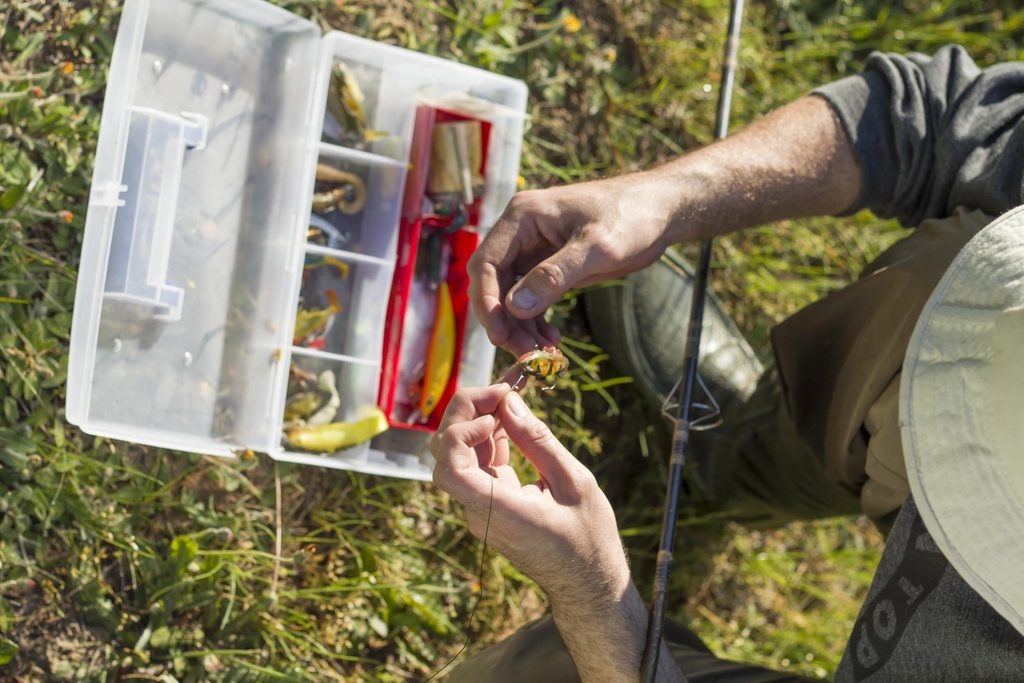
Beginners often make the mistake of buying too many different lures.
A large tackle box may look impressive, but having more choices does not automatically make fishing easier.
Too many options can actually create another problem:
You spend more time choosing than fishing.
For your first few trips, a small selection is often easier to understand.
A simple beginner setup might include:
- One or two natural bait options that are legal for the area
- A small selection of versatile artificial lures
- Several hook sizes
- Appropriate weights
- A simple float if suitable for the fishing method
The exact setup should be matched to your target species and fishing location.
The goal is to learn how each item behaves rather than carrying dozens of options that you do not yet understand.
4. Think About Where the Fish Are Feeding
Fish are not necessarily spread evenly throughout the water.
They may gather near:
- Aquatic vegetation
- Rocks
- Fallen trees
- Drop-offs
- Changes in depth
- Current breaks
- Shade
- Structures
- Areas where food collects
This is why choosing a bait or lure should be connected to your understanding of the fishing spot.
If you already know where fish are likely to be, you can choose a presentation that works effectively in that area.
If you are still learning how to identify productive areas, start by observing the water before making your choice.
5. Match the Bait or Lure to the Water Depth
Depth is another important factor.
Some fish may be feeding close to the surface, while others may be holding deeper.
Your bait or lure needs to reach the area where you believe the fish are located.
For example:
Shallow Water
You may be able to use:
- Floats
- Shallow-running lures
- Light presentations
- Surface-oriented approaches when appropriate
Mid-Depth Water
You can experiment with:
- Sinking lures
- Adjustable presentations
- Moderate retrieval speeds
Deeper Water
You may need:
- Heavier presentations
- Lures designed to reach deeper
- More controlled retrieves
- Additional weight when appropriate
The important point is not to choose a lure simply because it looks attractive.
Choose one that can realistically reach the area where you expect fish to be.
6. Pay Attention to Water Clarity
Water clarity can influence how fish detect your bait or lure.
In clear water, fish may have more opportunity to visually inspect what you present.
In murky or stained water, visibility may be reduced.
This can influence how you choose a presentation.
Clear Water
Consider presentations that appear relatively natural and match the type of prey available.
Cloudy or Stained Water
A more visible presentation or one that creates stronger movement or vibration may sometimes be useful.
Do not treat this as an absolute rule.
Fish behavior varies by species and conditions.
Instead, use water clarity as one clue among several.
7. Consider the Natural Food in the Area
One of the simplest ways to choose a bait or lure is to look around.
Ask:
“What are the fish probably eating here?”
Look for:
- Small baitfish
- Insects
- Worms
- Crustaceans
- Frogs
- Aquatic insects
- Other visible food sources
If you see small fish near the shoreline, a baitfish-style lure may make sense.
If insects are active around the water, an insect-like presentation may be worth considering.
You do not need to perfectly copy the natural food.
You are simply trying to make your presentation relevant to the environment.
8. Learn the Main Types of Artificial Lures
You do not need to memorize every lure type.
Start by understanding a few basic categories.
Spinners
Spinners create flash and vibration as they move through the water.
They can be useful for covering water and searching for active fish.
Spoons
Spoons are metal lures that produce movement and flash as they are retrieved.
Different shapes and weights allow them to be used at different depths and speeds.
Soft Plastics
Soft plastic lures can imitate worms, small fish, insects, or other prey.
They can be rigged in different ways and used with a variety of retrieval styles.
Crank-Style Lures
These lures are designed to move through the water as they are retrieved.
Different designs can operate at different depths.
Surface Lures
Surface-oriented lures are designed to remain near or on the water’s surface.
They can be useful when fish are actively feeding near the top.
The goal for a beginner is not to own all of these.
It is to understand what each basic category is designed to do.
9. Choose the Size Carefully
Lure size should make sense for the fish you are targeting and the food available in the area.
A common beginner mistake is assuming that a larger lure will always attract a larger fish.
That is not necessarily true.
Fish may be focused on relatively small prey even when larger fish are present.
Consider:
- Target species
- Available prey
- Water clarity
- Fishing depth
- Fish activity
- Size of nearby baitfish or other food
Start with a practical size and adjust if your observations suggest that another size may work better.
10. Do Not Ignore Lure Movement
A lure is not only about its appearance.
Its movement through the water can be just as important.
Different lures can:
- Swim
- Vibrate
- Flash
- Sink
- Float
- Rise
- Pause
- Move slowly
- Move quickly
Your retrieval speed changes how the lure behaves.
Try different speeds and pauses instead of automatically reeling at the same speed every time.
For example:
Cast → Retrieve → Pause → Retrieve
can produce a very different presentation from:
Cast → Constant fast retrieve
The right movement depends on the fish and conditions.
11. Start Slowly When You Are Learning
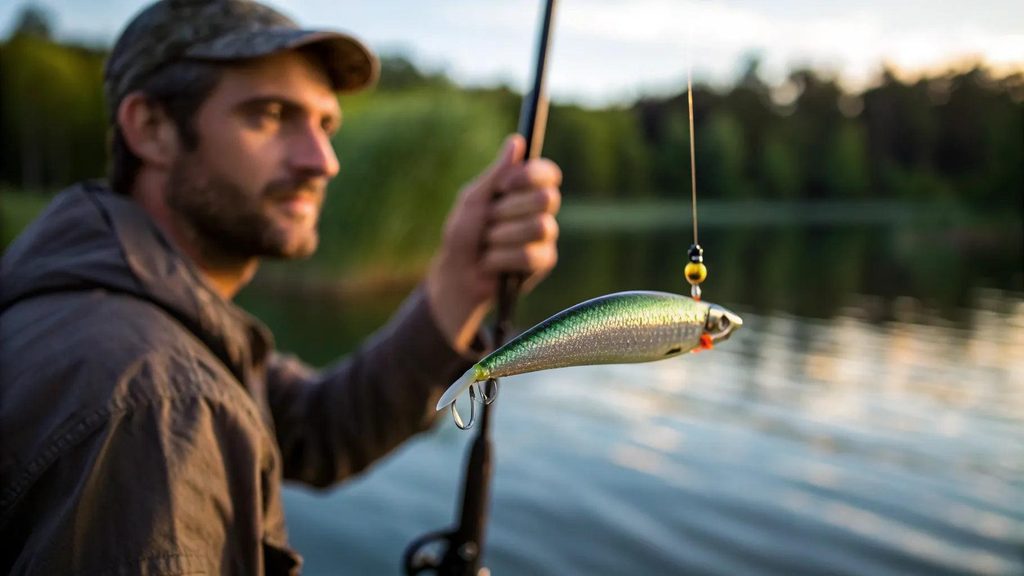
Beginners sometimes move a lure too quickly because they assume faster movement will attract more attention.
But fish do not always want to chase something moving quickly.
Try different speeds.
Start with a controlled retrieve and observe how the lure behaves.
Then experiment with:
- Slower movement
- Moderate movement
- Short pauses
- Longer pauses
- Changes in direction
- Different depths
You are not simply trying to catch fish.
You are learning what different presentations do underwater.
12. Use the Environment to Guide Your Choice
Look around before your first cast.
The environment can give you useful information.
Check:
- Water clarity
- Surface activity
- Wind
- Current
- Vegetation
- Rocks
- Shade
- Depth changes
- Visible insects
- Small fish
- Bird activity
These observations can help you decide what type of bait or lure to try.
For beginners, this habit can be more valuable than memorizing a long list of lure names.
13. Adjust Your Approach When Conditions Change
Fishing conditions can change during the same trip.
For example:
- Sunlight may become stronger
- Clouds may move in
- Wind may increase
- Water may become disturbed
- Fish may move deeper
- Surface activity may change
Weather and seasonal conditions can affect fish behavior and influence lure decisions.
You do not need to change your lure every few minutes.
Instead, make a change when you have a reason.
A useful approach is:
Observe → Choose → Test → Adjust
This prevents random switching.
14. Think About Time of Day
Fish activity can change throughout the day.
Morning, midday, afternoon, and evening can offer different conditions.
Changes in:
- Light
- Temperature
- Wind
- Surface activity
- Prey activity
may influence where fish are located and how they respond.
If a presentation works early in the morning but stops producing later, do not immediately assume that the lure has become useless.
The fish may have changed their location or feeding behavior.
15. Match Your Presentation to the Cover
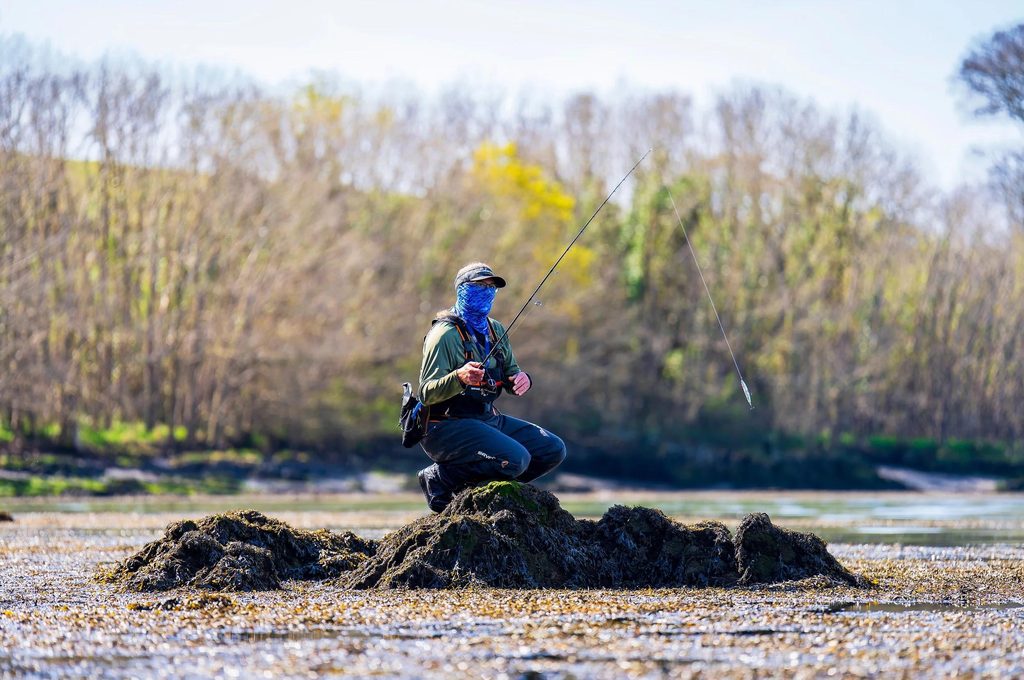
Fishing near vegetation, rocks, wood, or other structures can sometimes put your bait or lure closer to fish.
However, these areas can also increase the chance of getting your tackle stuck.
When fishing around cover:
- Cast carefully
- Watch where your line is moving
- Avoid unnecessary force
- Learn how your lure behaves
- Be prepared to lose inexpensive tackle occasionally
- Do not force a snag aggressively
For beginners, learning how to fish around structure takes practice.
Start with manageable areas rather than immediately choosing the most difficult cover.
16. Natural Bait Can Be a Good Learning Tool
Natural bait can simplify the learning process for some beginners.
Instead of focusing heavily on lure movement, you can learn:
- How to cast
- How to position your bait
- How to watch a float
- How to detect movement
- How fish respond to your presentation
- How to set up your tackle
However, natural bait also requires careful storage and handling.
You should also check local rules because bait collection, transportation, and use can be restricted in some waters.
Always confirm the regulations for the specific location before fishing.
17. Artificial Lures Help You Learn Active Fishing
Artificial lures can encourage you to become more involved in the fishing process.
Instead of waiting in one place, you can:
- Explore different depths
- Cover more water
- Try different retrieval speeds
- Test different areas
- Observe fish reactions
- Learn how movement changes the presentation
This can make lure fishing a useful way to learn how fish respond to changes in your approach.
18. Do Not Change Everything at Once
Imagine that you cast for 20 minutes without getting a bite.
You could change:
- Lure
- Color
- Size
- Depth
- Location
- Retrieval speed
- Fishing time
all at once.
But then you will not know what actually made a difference.
Instead, change one major variable at a time.
For example:
First: Change depth.
If that does not help:
Second: Change retrieval speed.
If that does not help:
Third: Try a different lure type.
This creates a simple learning process.
19. Know When to Switch Baits or Lures
Changing your presentation can make sense when:
- You have thoroughly covered an area
- Fish activity changes
- Water conditions change
- The lure cannot reach the desired depth
- Your presentation does not match the visible food
- You repeatedly get no response
But do not change simply because you have been fishing for five minutes.
Fishing requires patience.
Give a reasonable approach enough time to tell you something before changing it.
20. Avoid Choosing a Lure Only Because It Looks Good
Some lures look fantastic to humans.
That does not automatically mean they are appropriate for the fishing conditions.
When choosing between two options, ask:
- What fish am I targeting?
- What depth am I fishing?
- How clear is the water?
- What food is available?
- How active are the fish?
- Can I control this lure comfortably?
- Can I fish it safely around the available cover?
A practical lure that you understand is often more useful to a beginner than a complicated lure you do not know how to use.
21. Keep a Simple Fishing Log
A fishing log can help you learn faster.
After each trip, record:
- Date
- Location
- Weather
- Water conditions
- Time of day
- Bait or lure used
- Approximate depth
- Retrieval style
- Fish caught
- Areas that produced activity
- What did not work
After several trips, patterns may become easier to recognize.
For example, you may notice that a certain type of presentation works better in shallow water during low-light periods.
The purpose is not to create complicated statistics.
It is to turn each fishing trip into useful experience.
22. Common Beginner Mistakes
Buying Too Many Lures
A large tackle box does not replace experience.
Changing Lures Constantly
Constant switching makes it difficult to understand what is working.
Ignoring Depth
A good lure is not useful if it never reaches the area where fish are holding.
Fishing Too Fast
A presentation may work better when slowed down.
Ignoring the Environment
The water itself provides clues about where fish may be feeding.
Choosing Only by Color
Color is only one part of lure selection.
Ignoring Local Regulations
Rules regarding species, seasons, size limits, bait, and fishing methods can vary by location.
Copying Another Angler Without Understanding Why
A lure that works for someone else may not match your target fish, depth, or conditions.
Giving Up After One Location
Fish are mobile, and conditions can change.
If a location is not producing, use what you learned to decide whether to adjust or move.
23. A Simple Beginner Bait and Lure Checklist
Before your fishing trip, check:
Before Leaving
- Target fish identified
- Fishing location selected
- Local regulations checked
- Bait or lure choice prepared
- Spare hooks and basic tackle packed
At the Water
- Water clarity observed
- Weather checked
- Wind direction noticed
- Surface activity observed
- Structure and cover identified
- Possible depth changes considered
While Fishing
- Start with a simple presentation
- Test one variable at a time
- Adjust depth when necessary
- Adjust retrieval speed when necessary
- Change lure type when there is a clear reason
- Record what happens
24. A Simple Formula for Choosing Bait or Lures
When you are unsure what to use, remember:
Fish → Water → Depth → Food → Presentation → Adjust
Fish
Identify your target species.
Water
Look at clarity, current, vegetation, rocks, and other conditions.
Depth
Think about where the fish may be holding.
Food
Look for natural prey in the area.
Presentation
Choose a bait or lure that can imitate or present something relevant.
Adjust
If the approach is not working, change one major variable and test again.
This simple process can prevent beginners from making random tackle changes.
25. Keep Learning From Every Cast
Your first goal should not be to own the perfect lure.
It should be to understand why you are using the lure in front of you.
Every cast can teach you something.
You can learn:
- How deep your lure travels
- How quickly it sinks
- How it moves
- How fish react
- Where snags occur
- Which areas hold activity
- How weather changes the conditions
Over time, these observations become more useful than simply collecting more tackle.
Final Thoughts
Choosing the right bait or lure becomes much easier when you stop looking for one universal answer.
Start with the fish you want to catch.
Then consider the water, depth, natural food, weather, time of day, and structure around you. Choose a simple presentation that matches those conditions and give it enough time to tell you something.
If it does not work, change one variable at a time.
You do not need a huge tackle collection to become a better angler.
You need observation, patience, practice, and a willingness to learn from every trip.
The more you understand the water, the less you need to rely on guessing.
Want to learn more? Check out these related camping guides:
→ Fishing for Beginners: 10 Basic Skills Every New Angler Should Learn
→ Fishing for Beginners: How to Choose a Good Fishing Spot