
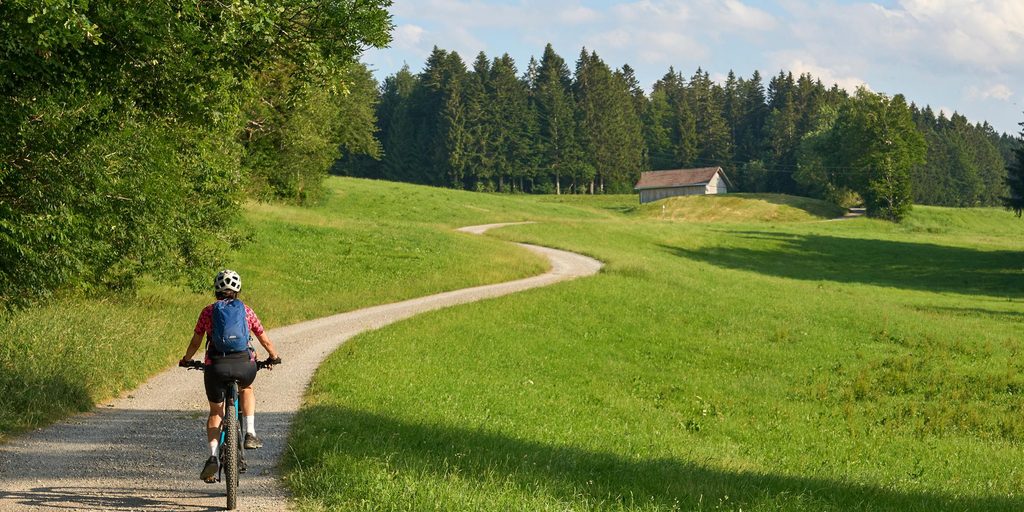
Starting to ride a bicycle is simple, but becoming comfortable on two wheels takes practice. New cyclists often focus on distance, speed, or finding the perfect route, while basic bike-handling skills can make a much bigger difference in everyday riding.
Learning how to start smoothly, brake with control, change gears, corner safely, and stay aware of your surroundings can make cycling feel more natural and predictable.
You do not need to master everything at once. Practice one skill at a time in a quiet, open area before taking those skills onto busier roads or more challenging routes.
Here are 10 basic cycling skills worth learning as a beginner.
1. Starting and Stopping Smoothly
Being able to start and stop without losing balance is one of the first skills every cyclist should develop.
Before starting, place one foot securely on the ground and position the other foot on a pedal. Look ahead, release the brake gradually, and begin pedaling with a controlled push.
Avoid looking down at your feet while starting. Keeping your eyes forward helps you maintain balance and gives you a better view of what is ahead.
Stopping should also be controlled rather than sudden whenever possible.
Begin slowing down early, apply the brakes smoothly, and keep the bicycle stable as your speed decreases. Practice stopping at different speeds in a safe area until the movement feels natural.
2. Braking With Control
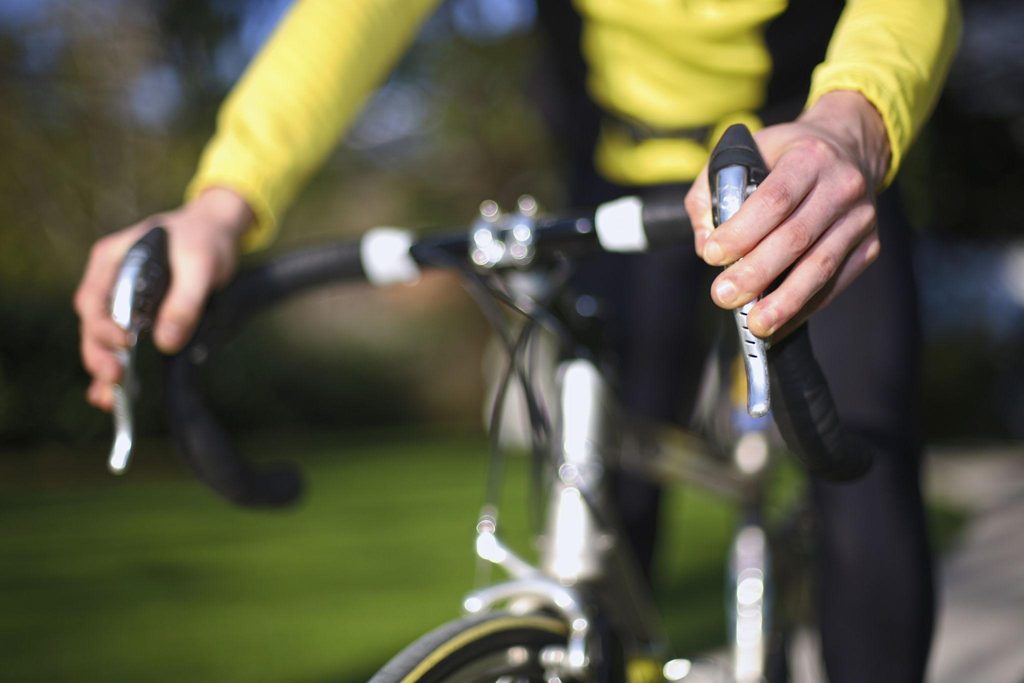
Braking is one of the most important cycling skills to practice.
Instead of waiting until the last moment, learn to recognize when you need to slow down. This gives you more time to react to people, vehicles, turns, uneven surfaces, and other obstacles.
Use both brakes in a controlled way and avoid grabbing the levers suddenly.
Practice braking on a quiet, flat surface. Start at a slow speed and gradually become comfortable stopping at predictable points.
You should also practice braking before a turn rather than waiting until you are already in the middle of the corner.
Good braking is not about stopping as quickly as possible every time. It is about controlling your speed and remaining balanced.
3. Looking Ahead
Beginners often concentrate too much on the front wheel.
Instead, develop the habit of looking farther ahead along your route. This allows you to notice changes in the road, pedestrians, parked vehicles, turns, surface problems, and other potential hazards earlier.
Looking ahead also helps with balance because your bicycle naturally follows the direction of your attention.
Try to keep your head up and scan the path ahead rather than staring directly at the ground.
Your eyes should continuously gather information about what is happening around you.
4. Riding in a Straight and Predictable Line
A bicycle becomes easier to control when your movements are smooth and predictable.
Practice riding in a straight line on a quiet path or open area. Keep your hands relaxed on the handlebars and avoid making unnecessary movements.
You do not need to maintain a perfectly straight line at all times. The goal is to become comfortable making small corrections without suddenly moving across the path.
As you become more confident, practice maintaining your line while briefly checking your surroundings.
Always choose a safe place to practice this skill away from traffic.
5. Changing Gears

Learning how to use your gears can make hills and longer rides much easier.
A common beginner mistake is waiting until a hill becomes difficult before changing gears.
Instead, shift before your legs become heavily fatigued. A lower gear can make climbing easier by reducing the effort required for each pedal stroke.
On flatter sections, you may gradually move toward a harder gear if it feels comfortable.
You do not need to memorize every gear combination. Focus on recognizing how the bicycle feels and choosing a gear that allows you to pedal smoothly.
The goal is not to use the hardest gear possible. The goal is to maintain comfortable control and a sustainable rhythm.
6. Cornering Smoothly

Turning a bicycle requires balance, awareness, and speed control.
Approach a corner at a comfortable speed rather than entering quickly and trying to brake heavily halfway through the turn.
Look toward where you want to go instead of staring directly at the edge of the road or obstacle.
Keep your movements smooth and avoid sudden steering changes.
Practice wide, gentle turns in an open area before attempting tighter corners.
As your confidence improves, you can gradually learn how your bicycle responds to different speeds and surfaces.
7. Riding Over Small Changes in the Surface
Outdoor cycling routes rarely remain perfectly smooth.
You may encounter small bumps, cracks, gravel, painted surfaces, drainage covers, or uneven sections.
The most important skill is learning to notice these changes early.
Slow down when necessary and keep your hands relaxed rather than gripping the handlebars tightly.
For larger or unfamiliar obstacles, consider whether it is safer to avoid them entirely or stop and walk the bicycle.
Do not assume that every surface can be safely ridden over at speed.
8. Signaling and Communicating
Other road users need to understand what you are doing.
When appropriate and permitted by local cycling rules, use clear hand signals to communicate turns or changes in direction.
Do not make a signal without first checking whether the movement is safe.
Communication works best when combined with awareness. Look around, make sure you have enough space, signal clearly, and then make the movement when conditions allow.
Local traffic rules and cycling requirements can vary, so learn the rules that apply where you ride.
9. Checking Behind You
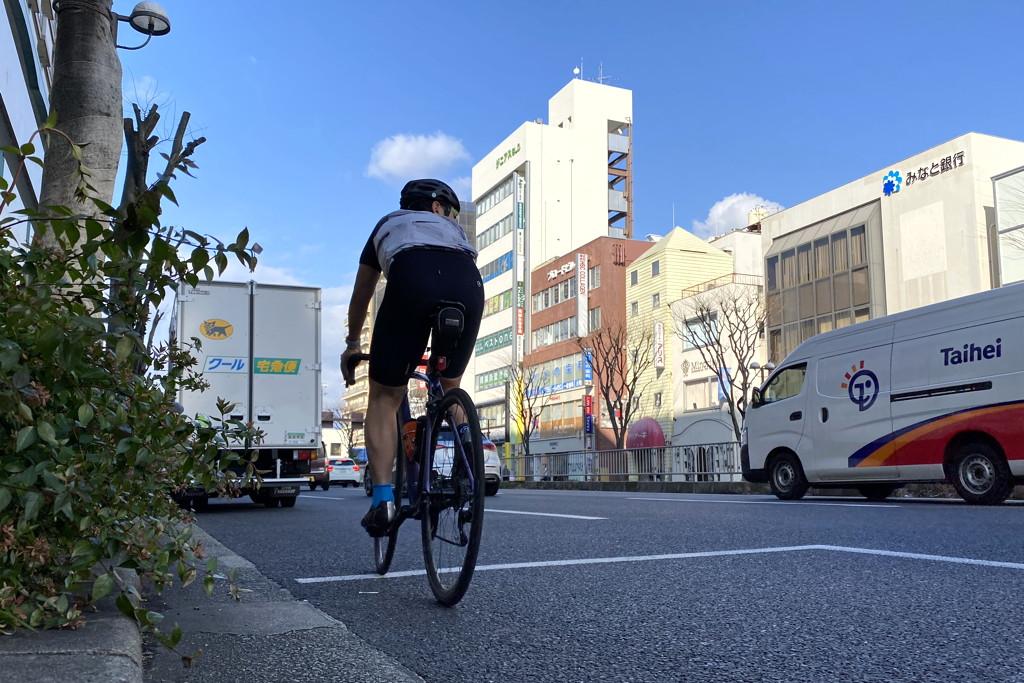
Looking behind you while maintaining control can be surprisingly difficult for new cyclists.
Start by practicing in a quiet, open area with plenty of space.
Ride slowly in a straight line and briefly look over one shoulder. Try to keep the bicycle moving predictably instead of turning the handlebars toward where you are looking.
Do not practice this skill around traffic until you are comfortable doing it safely.
You should never sacrifice control simply to check behind you. If you cannot safely look back while riding, slow down or stop in an appropriate location before checking your surroundings.
10. Controlling Your Speed on Descents
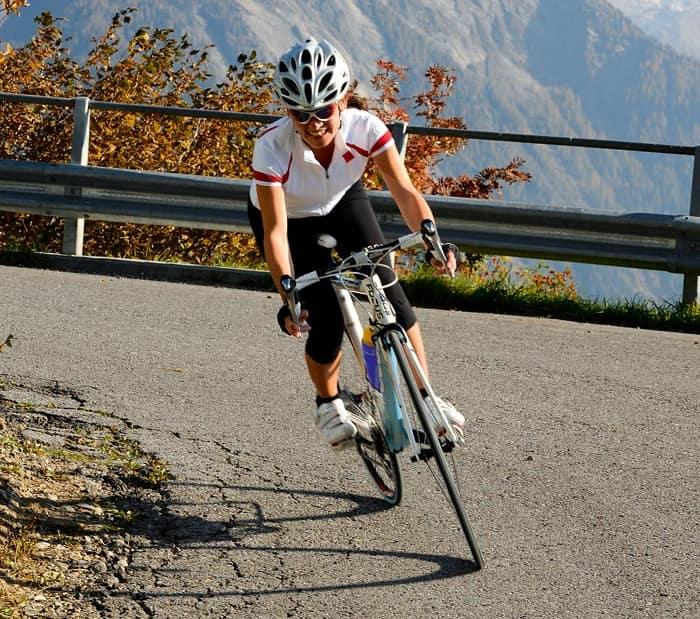
Going downhill can feel exciting, but speed can increase much faster than beginners expect.
Before starting a descent, make sure your speed is appropriate for the road, surface, visibility, and your own experience.
Keep your hands ready on the brake levers and look ahead for turns, pedestrians, vehicles, surface changes, and other hazards.
Avoid waiting until you are moving too quickly before braking.
If a descent feels uncomfortable, slow down or stop somewhere safe.
There is no benefit to descending faster than you can comfortably control.
Practice These Skills One at a Time
You do not need a complicated training program to improve your basic cycling skills.
A simple practice session can focus on one or two skills at a time.
For example:
- Session 1: Starting and stopping
- Session 2: Smooth braking
- Session 3: Looking ahead and riding in a straight line
- Session 4: Gear changes
- Session 5: Gentle cornering
- Session 6: Checking behind you
- Session 7: Combining several skills on an easy ride
Keep the practice area quiet and predictable.
As your skills improve, gradually introduce longer routes, gentle hills, more varied surfaces, and more complex riding environments.
Common Mistakes Beginners Should Avoid
Learning to ride is easier when you avoid trying to improve everything at once.
Some common beginner mistakes include:
- Riding too fast before developing control
- Looking down at the front wheel too often
- Braking suddenly
- Waiting too long to change gears
- Entering corners too quickly
- Making sudden steering movements
- Practicing difficult skills around traffic
- Ignoring unusual noises or handling problems
- Riding farther than your current fitness allows
- Focusing more on speed than control
Confidence should come from becoming familiar with the bicycle, not from taking unnecessary risks.
A Simple Cycling Skills Checklist
Before moving to more challenging rides, ask yourself:
- Can I start without losing balance?
- Can I stop smoothly and predictably?
- Can I control my speed?
- Can I ride in a steady line?
- Can I look ahead while riding?
- Can I change gears comfortably?
- Can I make gentle turns?
- Can I recognize uneven surfaces?
- Can I communicate my movements clearly?
- Can I check my surroundings safely?
- Can I control my bicycle on a gentle descent?
You do not need to answer yes to everything immediately.
Use the checklist to identify the skill that needs more practice.
Build Confidence Before Adding Difficulty
Cycling becomes much more enjoyable when you are comfortable controlling your bicycle.
Instead of immediately increasing distance or speed, spend some time improving the basic movements that you use on every ride.
Start with quiet routes and simple terrain. Practice braking, shifting, turning, and looking ahead until they become more natural.
Then gradually introduce longer distances, hills, different surfaces, and more complicated routes.
The goal is not to become an expert after a few rides. The goal is to make each ride feel a little more controlled and comfortable than the last one.
Final Thoughts
Cycling does not require perfect technique when you begin, but basic bike-handling skills can make a major difference in comfort and confidence.
Starting and stopping smoothly, braking with control, looking ahead, changing gears, cornering, communicating, and managing speed are skills that can be developed through simple practice.
Keep your early rides manageable, choose appropriate places to practice, and give yourself time to learn.
With consistent practice, many of these movements will eventually become natural parts of your everyday riding.