
Outdoor Footwear: How to Choose the Right Shoes for Every Adventure
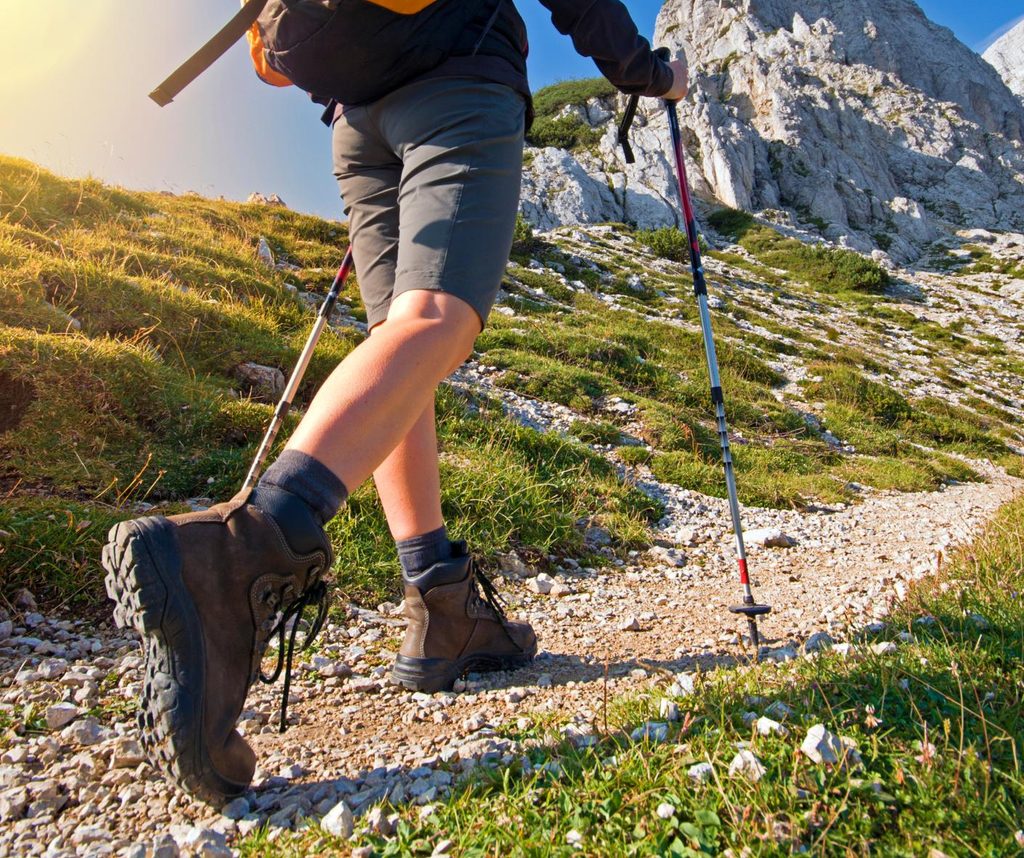
Choosing the right footwear can make a big difference in how comfortable you feel outdoors. Your shoes or boots need to match the terrain, weather, distance, activity, and the amount of support your feet need.
There is no single type of outdoor footwear that works perfectly for every adventure. A lightweight trail shoe may be comfortable on an easy path, while a more supportive boot may be useful on rough or uneven terrain.
The goal is simple: choose footwear that matches the conditions instead of choosing it only because it looks good.
1. Start With the Activity
The first question to ask is what you will actually be doing.
Outdoor footwear can be designed for very different activities, including:
- Hiking
- Day walks
- Camping
- Trail running
- Travel
- Backpacking
- Water-based activities
- General outdoor recreation
A shoe that works well for a short walk on a maintained trail may not provide enough protection or stability for a long hike over rocky ground.
Start with the activity before thinking about appearance, weight, or additional features.
2. Consider the Terrain

The surface you will walk on is one of the most important factors.
Smooth paths generally place fewer demands on footwear. Rough trails with rocks, roots, mud, loose gravel, steep sections, or uneven surfaces can require more protection and traction.
Before choosing footwear, think about the type of ground you expect to encounter.
Ask yourself:
- Will the trail be mostly smooth?
- Will there be rocks or loose gravel?
- Are there steep sections?
- Could the ground become muddy?
- Will I be walking on wet surfaces?
- Will I carry a heavy backpack?
The more challenging the terrain, the more carefully you should consider traction, stability, protection, and fit. Appropriate footwear with good traction and support is an important part of hiking safety.
3. Hiking Shoes vs. Hiking Boots
Outdoor footwear comes in several general forms.
Hiking Shoes
Hiking shoes are usually lower around the ankle and can feel lighter and more flexible. They can be a practical choice for shorter hikes, easier trails, and people who prefer a lighter feel.
Hiking Boots
Hiking boots generally provide more coverage around the foot and ankle. They can be useful when the terrain is rough, the trail is uneven, or you need additional protection.
Trail Shoes
Trail-oriented shoes can work well for people who prefer a lightweight feel while still wanting better traction than ordinary everyday shoes.
The right choice depends on the route rather than a simple rule that one type is always better.
4. Pay Attention to Fit
Even excellent outdoor footwear will not be comfortable if it does not fit your feet properly.
Your heel should feel secure without excessive pressure, while your toes should have enough room to move naturally.
Pay particular attention to the front of the shoe. When walking downhill, your feet can move forward inside footwear that is too loose or does not fit properly.
Try footwear with the type of socks you normally expect to wear outdoors.
If possible, walk around before making a final decision. A few minutes of movement can reveal pressure points that are difficult to notice while standing still.
5. Do Not Ignore Toe Room
Toe space deserves special attention.
Your toes should not feel compressed against each other or pressed tightly against the front of the footwear.
Too little room can become especially uncomfortable during longer walks or descents.
At the same time, excessive space can allow your foot to move around too much.
The ideal fit provides enough room for comfortable movement while keeping the foot securely positioned.
6. Check the Traction
The bottom of outdoor footwear is just as important as the upper.
Look at the outsole and consider how the tread is designed.
Deeper and more aggressive tread can be useful on loose or uneven terrain, while a simpler tread may be perfectly adequate for smoother paths.
Think about where you will use the footwear:
- Dry dirt
- Loose gravel
- Rocky trails
- Mud
- Wet ground
- Forest paths
- Mixed terrain
Good traction can help you maintain a more controlled step, especially when the ground is uneven or slippery. National park safety guidance commonly recommends sturdy footwear with good tread for hiking on rough terrain.
7. Think About Weather
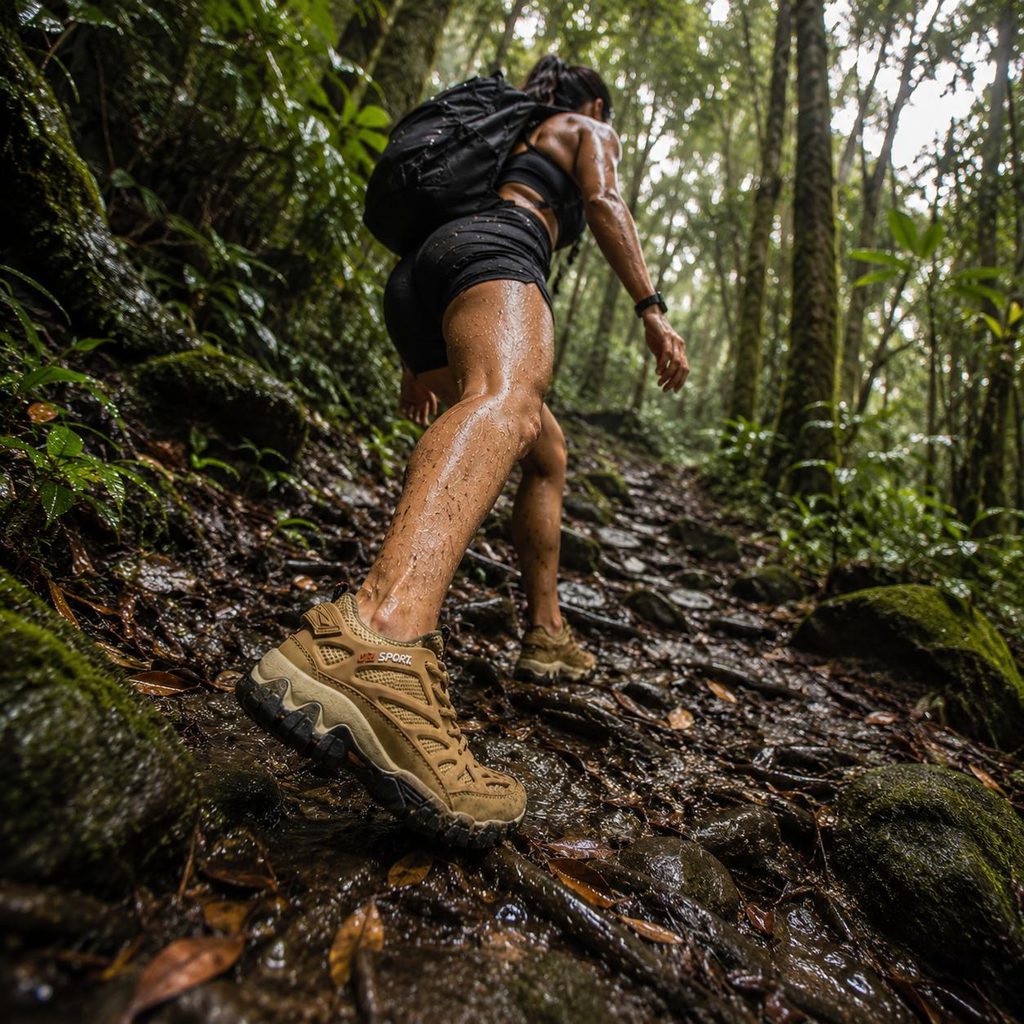
Weather should influence your footwear choice.
For warm and dry conditions, breathability may be more important than maximum water resistance.
For wet conditions, you may prefer footwear designed to keep water out or footwear that can dry relatively quickly.
For cold conditions, insulation becomes more important.
However, more protection can sometimes mean more weight or less breathability.
Instead of searching for the most protective footwear possible, think about the conditions you are actually expecting.
8. Waterproof Does Not Mean Perfect for Every Situation
Water resistance can be useful, but it is not automatically the best choice for every outdoor activity.
A waterproof shoe may help keep rain and shallow water out, but it can also feel warmer during hot conditions.
If you regularly hike through wet vegetation, muddy trails, or rainy environments, water protection may be valuable.
For warm-weather activities where your footwear may become wet from water crossings, quick drying can sometimes be more useful than trying to keep every drop of water outside.
Think about the environment first.
9. Consider Breathability
Your feet can become warm and sweaty during outdoor activities.
Breathable materials can help manage moisture during active use, particularly in warm weather.
This becomes especially important when you are walking for several hours.
A shoe that feels comfortable for a short walk may feel very different after a full day outdoors.
Consider:
- Temperature
- Activity level
- Walking distance
- Humidity
- Sock choice
- Expected weather
Footwear should work together with your socks rather than being considered separately.
10. Choose the Right Socks
Good footwear cannot completely compensate for unsuitable socks.
Outdoor socks can help manage moisture and reduce friction during longer activities.
Consider socks that:
- Fit securely
- Do not bunch up
- Manage moisture
- Match the temperature
- Work comfortably with your footwear
For longer hikes, carrying an extra pair can also be useful if your feet or socks become wet.
11. Think About Weight
Weight matters more as your activity gets longer.
A lightweight shoe may feel comfortable when you first put it on, but the bigger question is how it feels after several hours of walking.
On the other hand, heavier footwear may provide additional protection and structure when conditions require it.
Think about the balance between:
Weight + Protection + Stability + Comfort
Do not automatically choose the lightest option.
Choose the lightest footwear that still provides what your activity requires.
12. Consider Ankle Support
Ankle support can become more important on uneven terrain.
If you frequently walk on rocky, steep, or uneven trails, footwear with additional ankle coverage may be worth considering.
However, ankle height alone does not determine whether footwear is suitable.
The overall fit, sole, stability, construction, and your experience on the terrain all matter.
For challenging terrain, appropriate supportive footwear is commonly recommended as part of basic hiking safety.
13. Think About Your Backpack Weight
Your footwear needs can change depending on how much you carry.
A short walk with a light daypack places different demands on your feet than a long trip with a heavily loaded backpack.
Before choosing footwear, consider:
- How long you will walk
- How much gear you will carry
- How steep the route is
- How uneven the terrain is
- How experienced you are
The more demanding the overall trip, the more important it becomes to balance comfort, support, traction, and protection.
14. Break In New Footwear Gradually
Do not make the first day in a new pair your longest outdoor adventure.
Wear the footwear around home first.
Then try a short walk.
Pay attention to:
- Heel movement
- Toe pressure
- Hot spots
- Rubbing
- Overall comfort
- Stability
Gradually increasing the amount of time you wear new footwear can help you identify problems before a longer trip.
This is especially important because blisters and foot discomfort can quickly turn an enjoyable outdoor adventure into an uncomfortable experience.
15. Look for Pressure Points
A small uncomfortable area can become a major problem after several hours.
When testing footwear, walk on different surfaces if possible.
Try:
- Flat ground
- Stairs
- Inclines
- Descents
- Uneven surfaces
Notice whether your heel slips, your toes hit the front, or one part of your foot receives too much pressure.
Do not assume uncomfortable footwear will automatically become comfortable later.
16. Match Footwear to the Season
Your footwear needs can change throughout the year.
Spring
Expect changing temperatures, wet trails, and muddy conditions.
Summer
Breathability, lighter weight, and moisture management can become more important.
Autumn
Cooler temperatures and wet leaves can create slippery conditions.
Winter
Cold, snow, ice, and wet conditions may require additional insulation and traction.
Instead of buying one pair and expecting it to handle every season equally well, think about the conditions you actually encounter most often.
17. Think About Water Crossings
If your route includes streams or shallow water crossings, footwear selection becomes more complicated.
Some situations favor water-resistant footwear, while others may be better suited to footwear that drains and dries quickly.
The important point is to consider the entire route rather than just the weather forecast.
If you expect your feet to get wet, bring appropriate socks or spare footwear when practical.
Wet feet can become uncomfortable quickly, especially during long outdoor activities.
18. Choose Comfort Over Appearance
Outdoor footwear can look impressive, but appearance should not be the main deciding factor.
A pair that looks great but creates pressure points is unlikely to become your favorite outdoor gear.
Instead, prioritize:
- Fit
- Comfort
- Terrain suitability
- Traction
- Protection
- Weather suitability
- Weight
- Durability
Then consider appearance.
Outdoor gear should help you enjoy the activity rather than constantly remind you that you are wearing it.
19. Take Care of Your Outdoor Footwear

Choosing good footwear is only the beginning.
After an outdoor trip:
- Remove dirt and mud
- Let footwear dry properly
- Avoid excessive heat when drying
- Check the outsole
- Inspect seams and materials
- Remove small stones
- Check the laces
- Store footwear in a dry, ventilated place
Regular care can help you notice problems before your next trip.
20. Know When It Is Time to Replace It
Outdoor footwear does not last forever.
Look for signs such as:
- Worn-down tread
- Damaged soles
- Cracked materials
- Loose stitching
- Persistent water leakage
- Reduced cushioning
- Poor heel stability
- Changes in fit or comfort
The appearance of the footwear may still look acceptable even when the outsole or internal structure has become significantly worn.
Pay attention to how it performs, not just how it looks.
21. A Simple Outdoor Footwear Selection Guide
Use this quick guide before choosing your next pair.
Easy walking and travel
Look for:
- Comfortable fit
- Lightweight construction
- Good everyday grip
- Breathability
Easy day hikes
Look for:
- Comfortable fit
- Reliable traction
- Moderate protection
- Lightweight or medium-weight construction
Rough hiking trails
Look for:
- Strong traction
- More protection
- Greater stability
- Secure fit
- Appropriate ankle coverage
Wet conditions
Look for:
- Suitable water protection
- Good traction
- Materials appropriate for the expected temperature
- Socks that manage moisture
Cold conditions
Look for:
- Insulation
- Adequate traction
- Protection from moisture
- Enough room for appropriate socks
22. Common Outdoor Footwear Mistakes
Choosing Based Only on Appearance
A stylish shoe is not necessarily suitable for your trail.
Buying Without Testing the Fit
Small fit problems can become major problems during long walks.
Choosing Too Much Protection
More protection can also mean more weight and less breathability.
Choosing Too Little Protection
Lightweight footwear may not be appropriate for rough or demanding terrain.
Ignoring the Outsole
The bottom of the shoe plays an important role in how you interact with the ground.
Wearing New Footwear on a Long Trip
Always test new footwear before relying on it for a major adventure.
Forgetting the Socks
Your footwear and socks should work together as a system.
23. Outdoor Footwear Checklist
Before your next adventure, ask:
- What activity am I doing?
- What type of terrain will I encounter?
- How long will I be outside?
- What will the weather be like?
- Will the ground be wet?
- Do I need more traction?
- Do I need additional ankle support?
- How much gear will I carry?
- Does the footwear fit comfortably?
- Have I tested it before the trip?
- Are my socks suitable?
- Is the outsole still in good condition?
If you can answer these questions, choosing outdoor footwear becomes much easier.
24. A Simple Formula for Choosing Outdoor Footwear
When you are unsure what to buy, use this simple formula:
Activity → Terrain → Weather → Fit → Traction → Support → Comfort
Start with what you plan to do.
Then consider where you will do it, what conditions you expect, and how your feet feel in the footwear.
This approach is much more useful than simply searching for the most expensive or most technical option.
Final Thoughts
The right outdoor footwear does not have to be complicated.
You simply need to match the footwear to the adventure.
Consider the terrain, weather, distance, backpack weight, traction, support, and—most importantly—how comfortably the footwear fits your feet.
For beginners, a comfortable and versatile pair that matches the activities you actually enjoy is often a better starting point than collecting specialized footwear for every possible situation.
Choose for the trail, fit for your feet, and prepare for the conditions.