
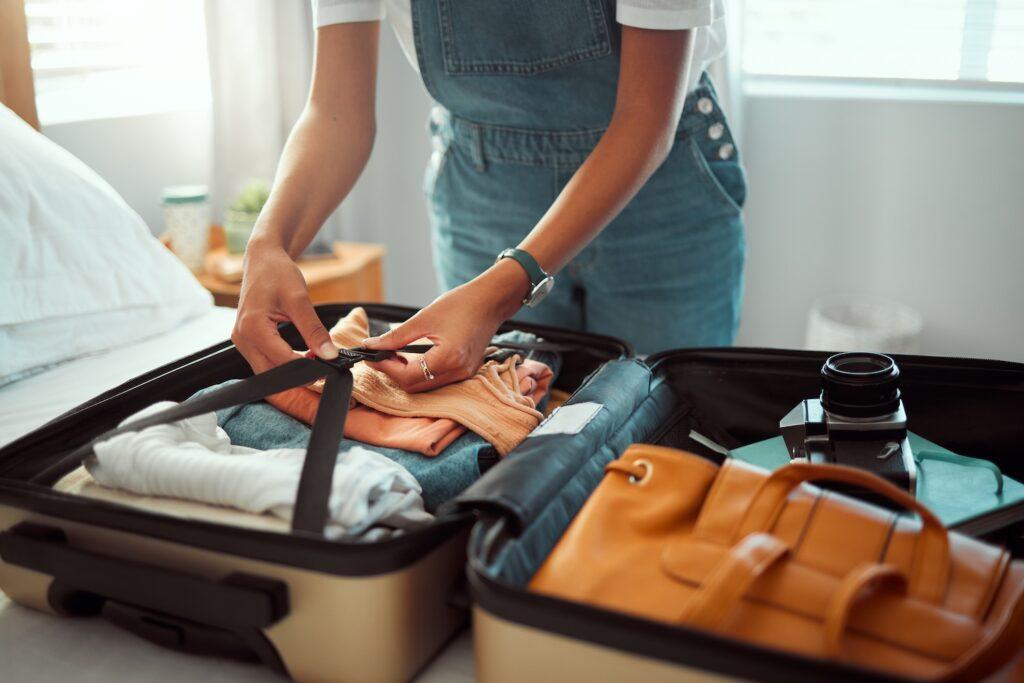
Packing for a trip can be surprisingly difficult.
A short trip does not necessarily require a large suitcase, but it is easy to keep adding clothes, accessories, electronics, and “just in case” items until your bag becomes unnecessarily heavy.
Packing light is not about taking as little as possible. It is about taking the things you are actually likely to use and organizing them so they are easy to access.
The easiest way to pack well is to start with your itinerary, consider the weather and activities, and build your luggage around those needs.
1. Start With Your Trip Plan
Before opening your suitcase, look at your actual travel plans.
Think about:
- How many days you will be away
- Where you will stay
- What activities you have planned
- How much walking you expect
- What the weather may be like
- Whether you will use public transportation
- Whether you need special clothing or equipment
Your packing list should reflect the trip you are actually taking.
If your itinerary consists mostly of city sightseeing and restaurants, you probably do not need the same amount of equipment as someone spending several days outdoors.
2. Check the Weather Before Packing
Weather can completely change what you need to bring.
Check the expected conditions for the destination before finalizing your luggage.
Think about:
- Temperature
- Rain
- Wind
- Humidity
- Snow
- Day and nighttime temperatures
Do not pack only for the weather you hope to have.
A lightweight outer layer or compact rain protection can be useful when conditions may change during the trip.
Checking the weather close to departure can also help you remove clothing that is no longer necessary.
3. Build Your Packing List Around Activities
Instead of creating a generic packing list, start with your planned activities.
For example, a trip might include:
- Walking around a city
- Visiting restaurants
- Spending time outdoors
- Swimming
- A day hike
- A business meeting
Each activity may require something different.
Write down the activities first and then identify the items that are genuinely necessary.
This prevents you from packing several items simply because they might be useful.
4. Choose a Simple Clothing System
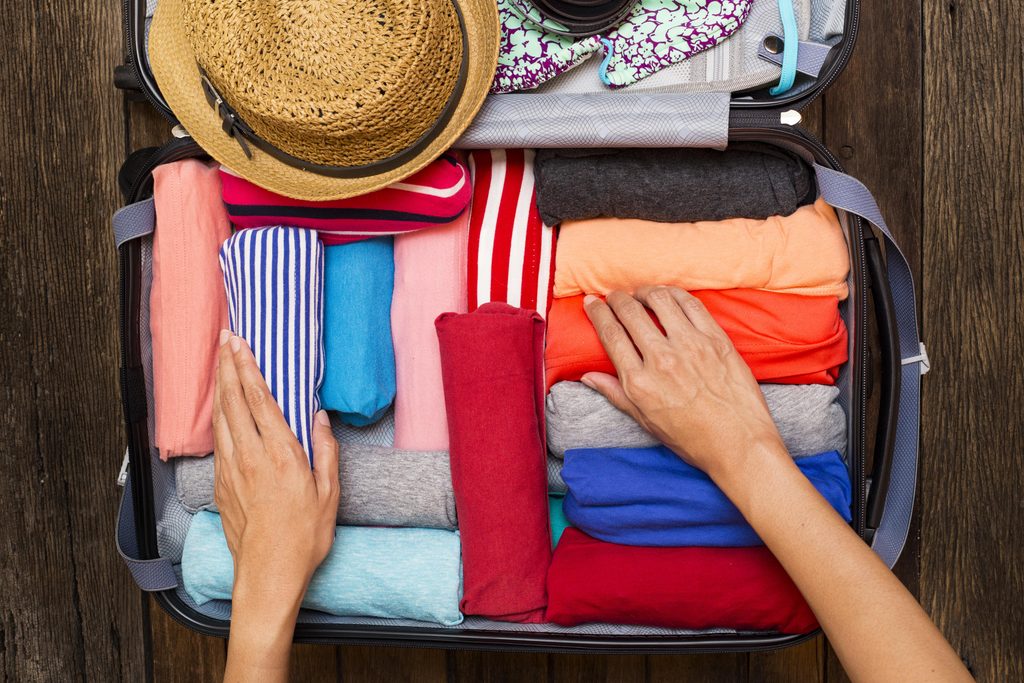
Clothing usually takes up more space than travelers expect.
A simple approach is to choose pieces that can work together.
Try to select clothing with:
- Similar colors
- Easy-to-match styles
- Comfortable materials
- Multiple uses
- Appropriate weight for the season
Instead of packing a completely different outfit for every day, choose a smaller group of pieces that can be combined in different ways.
This gives you more flexibility without significantly increasing luggage size.
5. Pack for the Number of Days You Actually Need
More days do not always mean proportionally more clothing.
For a short trip, you may only need a small number of everyday outfits, especially if some pieces can be worn more than once.
Consider the difference between:
What I might wear
and
What I am realistically going to wear
That distinction can remove a surprising amount of unnecessary luggage.
For longer trips, laundry may also allow you to travel with fewer clothes instead of carrying enough clothing for the entire journey.
6. Choose One Main Pair of Shoes When Possible
Shoes can quickly make luggage heavy.
Before packing multiple pairs, ask whether one comfortable pair can handle most of your trip.
For many city trips, comfortable walking shoes can cover sightseeing, transportation, casual meals, and everyday activities.
Bring another pair only when your itinerary genuinely requires it.
Examples include:
- Formal events
- Hiking
- Water activities
- Special sports
- Cold-weather conditions
Your shoes should be chosen around your activities rather than added simply because you have space.
7. Wear Your Bulkiest Items While Traveling
If you need a heavier jacket, boots, or another bulky item, consider wearing it during transportation rather than packing it.
This can free up valuable space inside your luggage.
The same idea can apply to:
- Heavy sweaters
- Larger shoes
- Jackets
- Thick layers
However, do not wear uncomfortable clothing simply to save a small amount of luggage space.
Your travel outfit should still be comfortable for the journey.
8. Use Layers Instead of Too Many Separate Outfits
Layers can make clothing more versatile.
A simple combination might include:
- A lightweight base layer
- A shirt or sweater
- A light outer layer
This allows you to adjust to changing temperatures without carrying several complete outfits.
Layering can be especially useful when the destination has large differences between daytime and nighttime temperatures.
9. Avoid Packing “Just in Case” Items
One of the easiest ways to overpack is to prepare for every possible situation.
Ask yourself:
Will I realistically use this?
If the answer is probably not, consider leaving it at home.
You do not need to prepare for every hypothetical situation when basic necessities may be available at your destination.
This does not mean ignoring genuine needs. Important medication, essential documents, weather protection, and necessary equipment should always receive priority.
The goal is to remove unnecessary extras, not important essentials.
10. Keep Toiletries Simple
Toiletries can take up more space than expected.
Start with the products you use every day and determine which ones are genuinely necessary for the trip.
Consider:
- Toothbrush and toothpaste
- Basic skincare products
- Hair care items
- Personal hygiene products
- Shaving supplies if needed
- Essential medication
- Small personal care items
Use smaller containers when practical.
You can also check what your accommodation provides before packing items that may already be available.
11. Keep Important Items Accessible
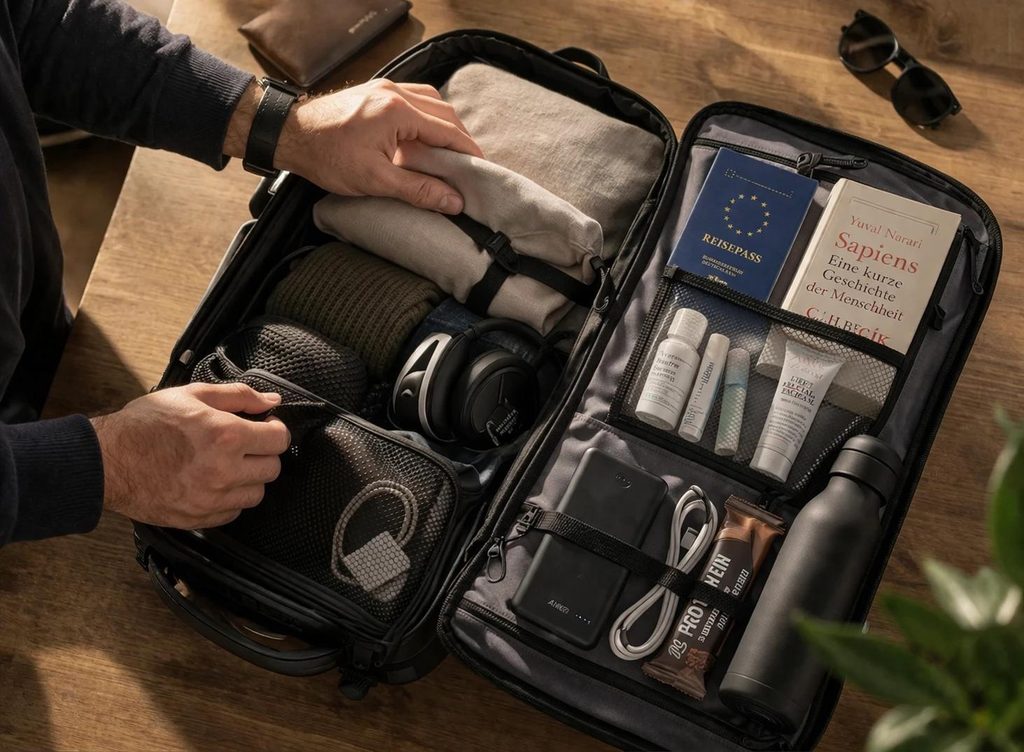
Not everything should go deep inside your suitcase.
Keep frequently needed items where you can reach them easily.
Depending on your trip, this may include:
- Travel documents
- Wallet
- Phone
- Charger
- Water
- Small snacks
- Medication
- Headphones
- Light outer layer
This becomes particularly useful during long transportation days when you do not want to unpack your entire bag just to find one small item.
12. Organize Your Bag by Category
A simple organization system can make your luggage much easier to use.
You can separate items into groups such as:
Clothing
Shirts, pants, underwear, socks, and sleepwear.
Personal Items
Toiletries and small personal accessories.
Electronics
Phone accessories, chargers, adapters, and other devices.
Activity Gear
Items needed for hiking, swimming, photography, or other planned activities.
Documents
Identification, reservations, tickets, and other important information.
The goal is not perfect organization.
The goal is knowing where things are when you need them.
13. Choose Your Bag Based on the Trip
The right bag depends on the type and length of your trip.
A small backpack may be enough for a short city break.
A carry-on-sized bag may work well for several days if you pack efficiently.
A larger suitcase may be more practical for longer trips, family travel, or trips requiring specialized clothing and equipment.
Do not start with the largest bag available and then try to fill it.
Starting with an appropriately sized bag can naturally limit unnecessary packing.
14. Leave Some Empty Space
A completely full suitcase can become inconvenient during a trip.
Leave some room for:
- Items you buy
- Food or gifts
- Dirty clothing
- Changes in packing organization
- Unexpected necessities
Empty space also makes it easier to close your bag without forcing the zipper.
Packing light does not mean filling every available space.
15. Think About Your Transportation
Your transportation method should influence how you pack.
If you are traveling by car, luggage weight may matter less than storage space.
If you are using trains, buses, or walking between destinations, a lighter bag can make the journey much easier.
Airport travel may also involve restrictions on baggage size, liquids, and other items, so check the current rules that apply to your journey before departure.
The easier your bag is to carry, the less stressful frequent transfers can become.
16. Keep Electronics Under Control
Modern travelers can easily end up carrying too many electronic devices.
Before packing, ask:
- Do I really need this device?
- Can one device perform several functions?
- Do I need every accessory?
- Can I share one charging solution between devices?
For many trips, your phone can already handle navigation, communication, photography, reservations, entertainment, and other everyday tasks.
Bring additional devices when they serve a clear purpose.
17. Remember the Chargers
A small device can become useless if you forget the necessary charging equipment.
Before leaving, check:
- Phone charger
- Charging cable
- Portable battery if needed
- Travel adapter if required
- Other device-specific chargers
Keep important charging equipment together so you can find it easily.
18. Prepare for Rain Without Overpacking
Rain does not always require a large amount of extra clothing.
Depending on the destination and forecast, you may only need a compact form of rain protection.
Possible options include:
- Lightweight rain jacket
- Compact umbrella
- Water-resistant bag protection
- Quick-drying clothing
Choose the option that fits your destination and activities.
If heavy rain is unlikely, there is usually little reason to pack an entire second wardrobe around the possibility of getting wet.
19. Pack According to the Season
Your luggage should change with the season.
Warm Weather
Focus on lightweight clothing, breathable fabrics, sun protection, and comfortable footwear.
Cool Weather
Use layers so you can adjust your clothing throughout the day.
Cold Weather
Bulky clothing becomes more difficult to pack, so layering and wearing heavier items during transportation can help.
Wet Seasons
Prioritize practical rain protection and clothing that can handle changing conditions.
Seasonal packing is more efficient when you think about the actual weather instead of following the same packing list all year.
20. Pack an Emergency Minimum
Packing light does not mean removing everything important.
Keep a small group of essential items that you would want even if your plans changed unexpectedly.
These may include:
- Identification
- Payment method
- Necessary medication
- Phone
- Charger
- Important reservation information
- Basic hygiene items
- Weather protection
These essentials should receive priority over optional comfort items.
21. Keep Documents Organized
Travel documents should be easy to access.
Depending on your trip, you may need:
- Identification
- Visa or entry documents
- Transportation reservations
- Accommodation details
- Insurance information
- Emergency contacts
Keep important information available digitally when appropriate, but consider having a backup for information you cannot afford to lose access to.
A simple folder or dedicated section of your travel bag can prevent unnecessary searching.
22. Do Not Forget Laundry
Laundry can dramatically reduce how much clothing you need for longer trips.
If laundry is available at your accommodation or nearby, you can plan around it.
Instead of packing a completely separate outfit for every day, you may be able to wash and reuse some clothing.
This is especially useful when traveling for a week or longer.
23. Think About Dirty and Clean Clothing Separately
Your packing system should work at the end of the trip as well as the beginning.
Consider bringing a lightweight bag for dirty clothing.
This keeps used clothing separate from clean items and makes repacking easier.
It also means you do not have to reorganize your entire suitcase every evening.
24. Make a Small Personal Essentials Kit
A compact personal kit can prevent you from searching through your luggage for small items.
Depending on your needs, it could contain:
- Personal care items
- Medication
- Small charging accessories
- Earplugs
- Sleep mask
- Basic hygiene supplies
Keep the kit compact and only include items you genuinely use.
25. Recheck Your Bag Before Leaving
Once everything is packed, do not immediately close the suitcase.
Take a final look.
Ask:
- Did I pack enough?
- Did I pack too much?
- Is every item related to my trip?
- Are important documents accessible?
- Do I have the right weather protection?
- Did I pack the necessary chargers?
- Are my medications packed?
- Can I comfortably carry this bag?
If something does not have a clear purpose, consider removing it.
26. Use the One-Trip Test
There is a simple way to evaluate your luggage.
Imagine carrying everything from your home to your accommodation using your planned transportation.
If you are walking through a station, changing trains, getting on a bus, or moving between terminals, imagine doing that with your packed luggage.
If the bag already feels excessive in your imagination, remove a few non-essential items.
This is particularly useful for trips involving multiple destinations.
27. Common Packing Mistakes
Packing Too Many Clothes
More clothes do not automatically create more outfit options.
Bringing Too Many Shoes
Shoes are heavy and take up valuable space.
Packing for Every Possible Weather Condition
Check the forecast and prepare sensibly rather than bringing your entire wardrobe.
Carrying Too Many Electronics
Bring devices that have a clear purpose.
Filling Every Empty Space
Your luggage does not need to be completely full.
Forgetting What You Already Packed
Poor organization can lead to unnecessary duplicate items.
Ignoring the Return Journey
Remember that your luggage may become heavier after shopping or collecting souvenirs.
28. A Simple Packing Checklist
Before leaving, check these categories:
Documents
- Identification
- Travel documents
- Reservations
- Payment methods
Clothing
- Everyday outfits
- Underwear
- Socks
- Sleepwear
- Appropriate outer layer
Footwear
- Main walking shoes
- Additional footwear only if necessary
Toiletries
- Toothbrush
- Personal hygiene products
- Essential medication
Electronics
- Phone
- Charger
- Charging cable
- Adapter if necessary
- Portable battery if needed
Weather
- Rain protection
- Sun protection
- Seasonal layers
Activity-Specific Items
- Hiking gear
- Swimwear
- Camera equipment
- Special clothing
- Other necessary equipment
29. A Simple Packing Formula
When you are unsure what to bring, use this formula:
Plan → Check → Choose → Combine → Organize → Recheck
Plan your activities.
Check the weather and transportation.
Choose only the items you genuinely need.
Combine clothing so that individual pieces can serve multiple purposes.
Organize your bag by category.
Recheck everything before leaving.
This simple process can make packing faster without turning it into a complicated project.
Final Thoughts
Packing light is not about traveling with the smallest possible bag.
It is about making deliberate choices.
Start with your itinerary, consider the weather, choose versatile clothing, limit unnecessary shoes and electronics, organize important items, and leave enough space for the return journey.
The best packing system is one that makes the entire trip easier—from leaving home to arriving back again.
Pack for the trip you are taking, not every trip you can imagine.