
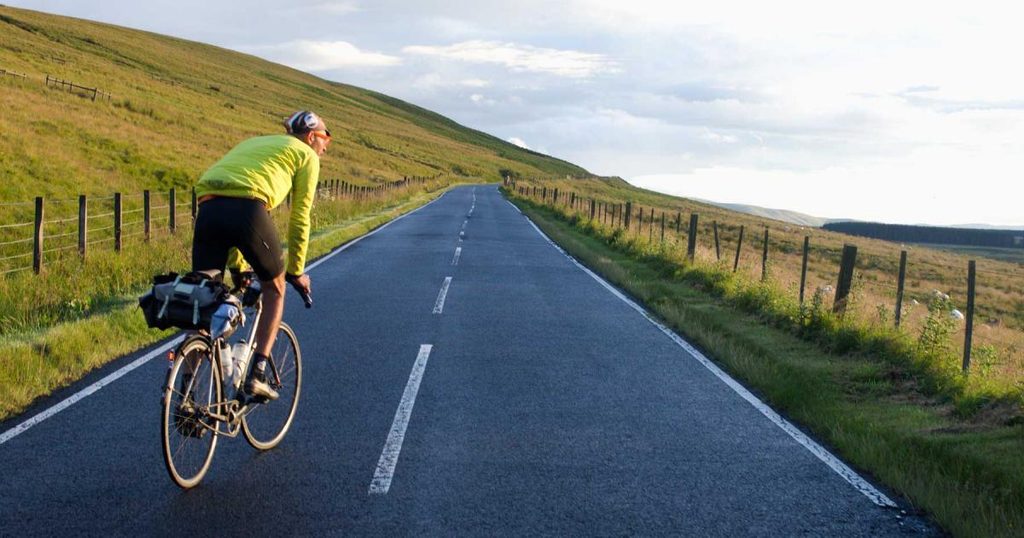
A longer bike ride can feel like a big step when you are used to short trips around your neighborhood or local park.
The good news is that you do not need to suddenly become an experienced cyclist to enjoy a longer ride. The key is to choose a realistic route, prepare your bike, bring the right essentials, manage your pace, and leave enough flexibility for unexpected conditions.
Your first longer ride should feel like an enjoyable extension of your normal cycling—not a test that you have to survive.
This beginner-friendly guide explains how to plan your first longer bike ride from start to finish.
1. Decide What “Longer” Means for You
There is no universal distance that qualifies as a long ride.
For one cyclist, 20 kilometers may feel like a major step. For another, 50 kilometers may be comfortable.
Instead of comparing your distance with other cyclists, look at your current riding experience.
If your usual rides are around 10 kilometers, adding a small amount of distance can be a more practical goal than suddenly attempting several times your normal distance.
The goal is to finish the ride with enough energy to feel that you could continue if necessary.
Your first longer ride should challenge you without overwhelming you.
2. Start With Time Instead of Distance
Distance is useful, but time can sometimes be easier for beginners to understand.
A route with hills, strong wind, rough surfaces, or frequent intersections may take much longer than a flat route of the same distance.
For your first longer ride, think about:
- How many hours you want to be outside
- How much time you want to spend riding
- How many breaks you may need
- How much time you need to return home
- How much daylight will remain
A moderate ride with plenty of time can be more enjoyable than trying to cover a large distance as quickly as possible.
3. Build Up From Your Current Riding Level
Do not make your first long ride dramatically longer than anything you have done before.
A gradual increase gives you time to learn how your body responds to longer periods in the saddle.
For example, if your normal ride is relatively short, you might gradually introduce:
Short ride → slightly longer ride → medium ride → longer ride
You can also increase riding time rather than focusing only on kilometers.
Regular riding helps your body become familiar with longer periods of pedaling, while giving you opportunities to discover problems with your bike, clothing, saddle, or riding position before attempting a much longer route.
4. Choose a Beginner-Friendly Route
Your first longer route should be easy to understand.
Look for roads, bike paths, or trails that match your experience level and avoid unnecessary complexity.
Consider:
- Traffic levels
- Road and trail surfaces
- Number of difficult intersections
- Steep climbs
- Long descents
- Narrow sections
- Construction areas
- Places where you can safely stop
- Access to water and food
- Distance from transportation or populated areas
A route that is slightly shorter but easier to manage may be more suitable for a first long ride than a complicated route with difficult terrain.
Route planning should consider distance, elevation, terrain, rider experience, stopping points, weather, and possible alternatives.
5. Check the Elevation Before You Ride
Two routes with the same distance can feel completely different.
A mostly flat 30-kilometer route may be easier for a beginner than a 20-kilometer route with several steep climbs.
Before leaving, check:
- Total climbing
- Steep sections
- Long descents
- Repeated hills
- Surface changes
- Possible alternative routes
If you are not comfortable climbing yet, choose a route with gentler elevation changes.
You can always increase the difficulty on a future ride.
6. Plan a Simple Route Structure
A simple route can reduce stress.
An out-and-back route is one useful option because you already know that the route leads back toward your starting point.
A loop is another option if the route is easy to follow and has reasonable stopping points.
You can also divide the ride into sections:
Start → First Stop → Main Destination → Rest → Return
Breaking a long ride into smaller sections can make the overall distance feel more manageable.
Instead of constantly thinking about how many kilometers remain, focus on reaching the next planned point.
7. Choose a Safe Starting Point
Think carefully about where your ride begins.
A good starting point should give you enough room to prepare your bike, organize your belongings, and begin riding without unnecessary pressure.
Consider:
- Parking or transportation access
- Safe bike access
- Nearby restrooms
- Water availability
- Traffic conditions
- Where you can safely stop before starting
If possible, avoid beginning a long ride immediately in a busy or unfamiliar traffic environment.
Starting calmly can make the first part of the ride much easier.
8. Check the Weather Before Leaving
Weather can completely change the difficulty of a longer ride.
Check the forecast for the entire period you expect to be outside.
Pay attention to:
- Temperature
- Rain
- Wind
- Storms
- Humidity
- Sun exposure
- Temperature changes during the day
Wind is particularly important because a strong headwind can make a familiar distance much harder.
Also remember that conditions can change during several hours outdoors.
Bring a lightweight extra layer or rain protection when appropriate rather than assuming the weather will remain exactly as it was when you left home.
9. Plan Around Daylight
A longer ride can take much more time than expected.
If you leave late in the afternoon, even a moderate delay can push part of the ride into darkness.
Before starting, estimate:
Ride time + breaks + food stops + unexpected delays
Then compare that with the available daylight.
If you are not comfortable riding after dark, plan to finish well before sunset.
For beginners, leaving some extra time is much better than creating pressure to rush home.
10. Give Yourself a Comfortable Pace
One of the most common mistakes on a first longer ride is starting too quickly.
It can feel exciting when your legs are fresh, but the energy you spend early in the ride may become a problem later.
Start at a pace that feels controlled.
You should be able to maintain a relatively steady effort rather than constantly accelerating and slowing down.
A conversational effort can be a useful practical reference for an easier endurance ride.
The purpose of your first longer ride is not to prove how fast you can go.
Save some energy for the second half.
11. Use Your Gears Before the Hill Gets Difficult
Do not wait until you are struggling on a climb before changing gears.
As the road begins to rise, shift into an easier gear and maintain a comfortable pedaling rhythm.
This can help you avoid suddenly putting excessive force through the pedals.
On descents, choose a gear and speed that allow you to remain in control.
Remember that gears are not only for going faster.
They are tools that help you manage effort throughout the ride.
12. Plan Your Rest Stops
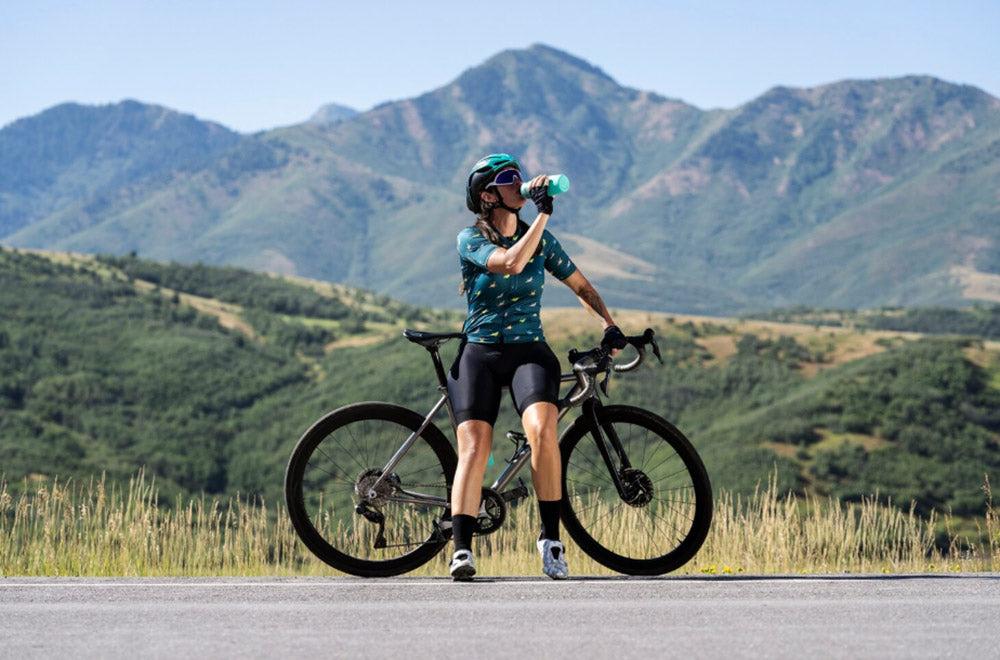
Rest stops are part of the ride, not a sign that you are failing.
Before leaving, identify several places where you can safely stop.
Possible stopping points include:
- Parks
- Rest areas
- Scenic viewpoints
- Cafés
- Public facilities
- Quiet areas away from traffic
You do not have to stop at every planned location.
Think of them as options.
If you feel comfortable, continue. If your energy is dropping, use the opportunity to rest.
13. Plan Your Food and Water
A longer ride requires more attention to hydration and energy than a short casual ride.
Bring enough water for the route and know where you can refill it if necessary.
For longer rides, bring easy-to-carry food such as:
- Bananas
- Sandwiches
- Dried fruit
- Simple snacks
- Energy-focused foods that you already know you tolerate well
Do not wait until you are completely exhausted before thinking about food.
Eating small amounts regularly can be easier than trying to recover after your energy level has already dropped.
How much food and fluid you need varies with ride duration, weather, intensity, and the individual cyclist, so use shorter rides to learn what works comfortably for you.
14. Eat Before You Become Extremely Hungry
Your preparation begins before the ride.
Have a normal meal that gives you enough energy without making you feel excessively full.
Avoid experimenting with an unfamiliar meal immediately before your first long ride.
Instead, choose familiar foods that you already know your body handles well.
The same principle applies during the ride.
Your first longer ride is not the ideal time to test several unfamiliar foods or complicated nutrition strategies.
15. Check Your Bike Before the Ride
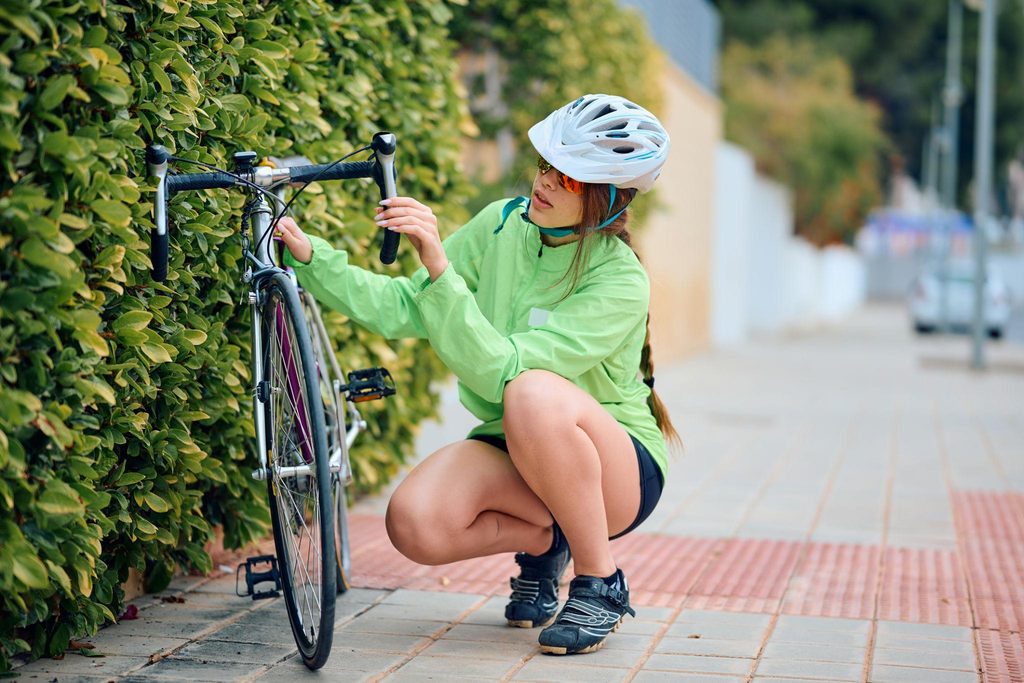
A longer ride is not the right time to discover that your brakes, tires, or drivetrain need attention.
Before leaving, check:
- Tire condition and pressure
- Brakes
- Wheels
- Chain
- Gears
- Pedals
- Saddle position
- Handlebar position
- Lights if needed
Make sure nothing feels loose or unusual.
If your bike has developed a strange sound, vibration, or handling problem, investigate it before starting the ride.
A few minutes of preparation can prevent a much bigger problem later.
16. Carry Basic Repair Equipment
You do not need to carry a complete workshop.
However, a beginner planning a longer ride should have a basic way to deal with common problems.
Depending on your bicycle and experience, consider carrying:
- Spare tube or appropriate puncture solution
- Tire levers
- Pump
- Multi-tool
- Basic repair supplies
- Phone
- Identification
- Small first-aid supplies
Most importantly, learn how to use the equipment before you need it.
Carrying a repair kit without knowing how it works provides much less confidence than practicing a simple repair at home.
17. Keep Your Gear Easy to Reach
You may need to access water, food, a phone, or a repair tool during the ride.
Organize your equipment so that frequently used items are easy to reach.
For example:
Easy access: water, snacks, phone
Occasional access: rain layer, repair tools
Emergency access: first-aid supplies and backup items
Avoid filling your pockets or bags with unnecessary objects.
A lighter and more organized setup usually makes a longer ride easier to manage.
18. Test Your Clothing Before the Long Ride
Never assume that clothing will be comfortable for several hours simply because it feels fine during a short ride.
Pay attention to:
- Chafing
- Tight areas
- Pressure points
- Sweating
- Cold exposure
- Overheating
- Wet clothing
- Shoe comfort
- Sock comfort
Wear clothing and footwear that you have already tested.
The longer you ride, the more noticeable small comfort problems can become.
19. Think About the Return Journey
It is easy to focus entirely on reaching the destination.
But your return trip may be the harder part.
Ask yourself:
- Will I still have enough energy?
- Will I have enough water?
- Will the weather change?
- Will I have enough daylight?
- Is there another route home?
- Can I shorten the ride if necessary?
- Is public transportation available nearby if something goes wrong?
A good long-ride plan includes an exit strategy.
You should always know what you can do if continuing the original route is no longer practical.
20. Have a Backup Route
Your planned route may not always work.
A road could be closed. Weather could deteriorate. You could become tired earlier than expected.
Before leaving, identify at least one shorter alternative.
For example:
Original plan: 40 km loop
Backup plan: 25 km shortened loop
This gives you more flexibility without turning an unexpected problem into an emergency.
Route planning guidance also recommends considering alternative routes or transportation options when weather, mechanical problems, or other issues make the original plan unsuitable.
21. Consider Riding With Someone
Your first longer ride does not have to be a solo adventure.
Riding with a friend can make the experience more enjoyable and can provide another person to communicate with if something unexpected happens.
If you ride with someone, agree beforehand on:
- Route
- Starting time
- Pace
- Rest stops
- Meeting points
- What to do if someone has a mechanical problem
- What to do if one rider needs to turn back
The important thing is that everyone understands the plan.
22. Do a Short Test Ride First
Before committing to the full route, consider doing a shorter test ride with the equipment you plan to carry.
This can reveal problems with:
- Bike fit
- Saddle comfort
- Clothing
- Bags
- Water bottles
- Food
- Navigation
- Repair equipment
You may discover that something that seemed convenient at home becomes annoying after an hour of riding.
Fix those problems before the longer ride.
23. Pay Attention to Your Body
Longer cycling should involve some effort, but there is a difference between normal fatigue and a problem that should not be ignored.
Pay attention to:
- Persistent pain
- Dizziness
- Unusual weakness
- Severe overheating
- Feeling confused
- Difficulty maintaining control of the bike
- Symptoms that worsen rather than improve
If you become unwell or unsafe to continue, stop riding and seek appropriate help.
There is no requirement to finish the planned distance.
A successful ride is one where you make sensible decisions throughout the journey.
24. Avoid These Common Beginner Mistakes
Several mistakes can make a first longer ride unnecessarily difficult.
Starting Too Fast
You feel fresh at the beginning and use too much energy.
Choosing Too Much Distance
You attempt a distance far beyond your recent experience.
Ignoring Elevation
You choose a route that looks short but contains difficult climbs.
Carrying Too Little Water
You assume you will easily find somewhere to refill.
Waiting Too Long to Eat
You continue until your energy level suddenly drops.
Trying New Equipment
You wear or use something for the first time on the longest ride you have attempted.
Ignoring the Weather
You leave based on the current conditions without considering what will happen later.
Forgetting the Return Trip
You plan the destination but not the energy required to get home.
Carrying Too Much
You bring unnecessary equipment that adds weight without solving a real problem.
25. First Longer Bike Ride Checklist
Before leaving, run through this simple checklist.
Route
- ☐ Distance is appropriate for my current level
- ☐ Elevation is manageable
- ☐ Route is easy to follow
- ☐ Rest stops are identified
- ☐ Water refill points are known
- ☐ Backup route is available
Bike
- ☐ Tires checked
- ☐ Brakes checked
- ☐ Gears working properly
- ☐ Chain checked
- ☐ Saddle and handlebars feel comfortable
- ☐ No unusual sounds or movement
Essentials
- ☐ Water
- ☐ Food or snacks
- ☐ Phone
- ☐ Identification
- ☐ Repair equipment
- ☐ Basic first-aid supplies
- ☐ Appropriate clothing
- ☐ Weather protection
- ☐ Lights when necessary
Planning
- ☐ Weather checked
- ☐ Daylight considered
- ☐ Starting time chosen
- ☐ Return time estimated
- ☐ Someone knows my general plan if appropriate
- ☐ Emergency or transport option considered
26. A Simple First Longer Ride Formula
If you are unsure where to begin, use this simple planning formula:
Current Ability → Distance → Route → Weather → Supplies → Pace → Backup Plan
Start with what you can comfortably ride now.
Then choose a reasonable increase in distance or time.
After that, check the route, weather, food, water, bike condition, and return options.
Finally, decide what you will do if the original plan becomes too difficult.
This approach keeps the focus on preparation rather than simply chasing a bigger number.
Final Thoughts
Planning your first longer bike ride is less about reaching an impressive distance and more about learning how to manage a longer day on the bike.
Choose a realistic route, build up gradually, check the elevation and weather, prepare your bicycle, bring enough food and water, maintain a comfortable pace, and give yourself several options if conditions change.
You do not need to make your first longer ride perfect.
The experience itself will teach you what distance, pace, clothing, food, equipment, and route style work best for you.
Ride farther gradually, prepare carefully, and leave enough room to enjoy the journey.