
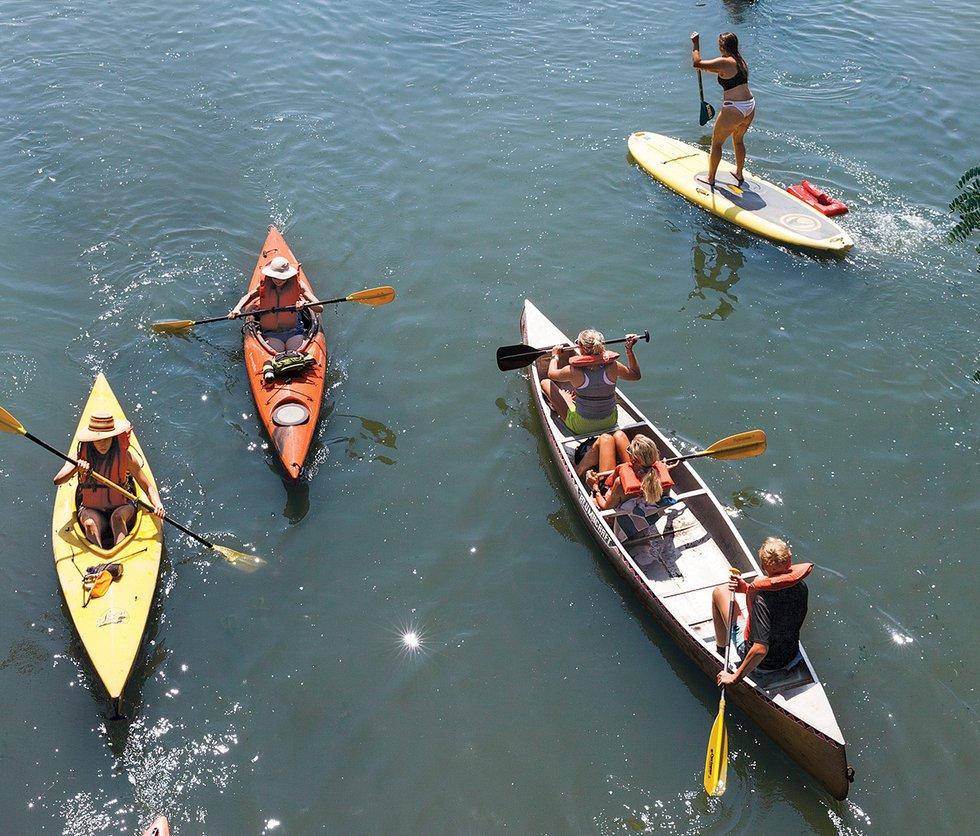
Water sports can be a fun way to spend time outdoors, stay active, and experience lakes, rivers, beaches, and other natural environments from a different perspective.
But if you are new to water sports, choosing your first activity can be confusing.
Should you try kayaking? Paddleboarding? Swimming? Snorkeling? Or another activity?
The right choice depends on more than simply choosing the activity that looks the most exciting. Your swimming ability, fitness level, confidence around water, local conditions, available equipment, weather, and the type of experience you want all matter.
A good first activity should match your current skills rather than forcing you to handle conditions that are beyond your experience.
This beginner-friendly guide explains how to compare different water sports and choose an activity that fits your first adventure.
1. Start With Your Comfort Around Water
Before choosing a water sport, think honestly about how comfortable you are around water.
Ask yourself:
- Can you swim confidently?
- Are you comfortable being in deeper water?
- Are you comfortable falling into the water?
- Can you stay calm if you become tired?
- Have you spent time around lakes, rivers, or the ocean?
- Are you comfortable wearing a life jacket?
- Do waves, currents, or moving water make you nervous?
Knowing your current comfort level is important.
Water environments can change quickly, and natural water can have conditions that are very different from a swimming pool.
If you are not confident in the water, start with an activity and environment that allows you to build basic water skills gradually.
Basic swimming ability and water-safety skills are important foundations for many activities around water.
2. Decide What You Want From the Experience
Different water sports create very different experiences.
Before choosing an activity, ask:
What do I actually want to do on the water?
You may want to:
- Relax and enjoy scenery
- Explore a shoreline
- Get a full-body workout
- Improve balance
- Swim
- Spend time with friends
- Explore underwater environments
- Practice paddling
- Enjoy a quiet outdoor activity
- Try something more physically demanding
Your answer can immediately narrow down your choices.
For example, someone who wants a calm sightseeing experience may prefer a stable paddling activity, while someone looking for a workout may want a more physically demanding option.
3. Consider Your Swimming Ability
Swimming ability should be one of the first things you consider.
Some activities keep you primarily on a craft or board, while others place you directly in the water.
If you are not a strong swimmer, avoid assuming that staying on a kayak, board, or other equipment means you do not need water skills.
You should still understand what to do if you fall into the water.
For beginners, it is useful to develop basic skills such as:
- Floating
- Treading water
- Returning to the surface
- Moving through the water
- Exiting the water
- Calling for help
Water competency involves more than simply being able to swim a certain distance. It also includes understanding the environment and knowing how to respond to problems.
4. Think About Where You Will Practice
The location can be just as important as the activity.
Different environments create different challenges.
Calm Lake
A calm lake may provide a relatively simple setting for learning basic paddling and balance skills.
However, wind can still create waves and change conditions.
River
Rivers introduce moving water, current, rocks, changing water levels, and other hazards.
A beginner should choose a suitable section of river and understand current conditions before entering the water.
Ocean
The ocean can involve:
- Waves
- Tides
- Wind
- Currents
- Changing weather
- Shoreline hazards
These conditions can make ocean activities more demanding.
Swimming Area
A designated swimming area with appropriate supervision may be more suitable for someone whose main goal is to improve swimming confidence.
Always consider the conditions of the specific location rather than assuming that every lake, river, or beach is equally suitable.
5. Compare the Main Beginner-Friendly Water Sports
There is no single water sport that works for everyone.
Instead, compare the basic characteristics of different activities.
Kayaking
Kayaking can be a good choice if you enjoy:
- Exploring waterways
- Paddling
- Scenic trips
- Sitting rather than standing
- Longer outdoor excursions
You need to learn basic paddle control, turning, stopping, balance, and what to do if the kayak tips.
Conditions such as wind, waves, and currents should be checked before heading out.
Paddleboarding
Paddleboarding can appeal to people who enjoy:
- Balance challenges
- Calm-water exploration
- Light to moderate exercise
- Scenic paddling
The standing position adds a balance component, so beginners may need time to become comfortable getting on, standing up, paddling, and returning to the board after falling.
Swimming
Swimming is a fundamental water activity and can be useful for building confidence and water skills.
Beginners can focus on:
- Floating
- Breathing
- Basic strokes
- Treading water
- Comfortable movement
Swimming in open water is different from swimming in a controlled pool environment, so beginners should not assume that pool skills automatically prepare them for every natural-water situation.
Snorkeling
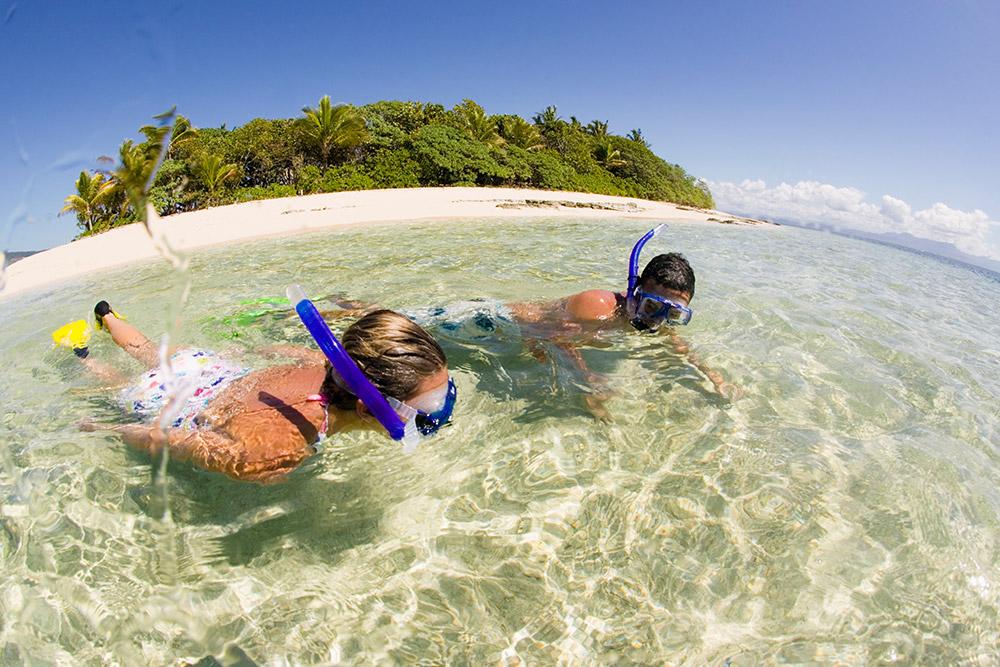
Snorkeling can be attractive if you enjoy:
- Observing underwater scenery
- Slow exploration
- Marine environments
- Relaxed water activities
However, you still need to be comfortable in the water and understand the conditions of the location.
Canoeing
Canoeing can be suitable for people who enjoy:
- Calm-water exploration
- Paddling
- Outdoor trips with a partner
- Lakes and appropriate rivers
Basic paddling and steering skills are important before moving into more challenging water.
6. Consider Your Balance
Balance is an important factor when choosing a water sport.
Activities such as paddleboarding require you to maintain your balance while the surface beneath you moves.
If you are comfortable with balance challenges, this may be part of the fun.
If you prefer a more stable starting point, you may want an activity where you can remain seated or where you have a more predictable position.
Do not choose an activity simply because it looks easy.
Consider how you normally feel when standing on unstable surfaces and how comfortable you are with falling into the water.
7. Think About Physical Effort
Water sports can require more physical effort than they initially appear to.
Paddling, swimming, balancing, and moving against wind or current can become tiring.
Before your first session, consider:
- Your general fitness level
- How long you want to stay active
- Whether you prefer upper-body or full-body movement
- How comfortable you are with repeated effort
- Whether you are recovering from a previous activity
For your first outing, avoid trying to prove how far or how fast you can go.
A shorter session gives you an opportunity to learn how your body responds to the activity.
8. Consider How Much Equipment You Need
Some water sports require only a small amount of basic equipment, while others involve more specialized gear.
Think about:
- How much equipment you already have
- Whether equipment can be rented
- How equipment will be transported
- Whether you need storage space
- How much setup is required
- Whether you need additional safety equipment
For beginners, a complicated equipment list can make the first experience more stressful.
Keep the setup simple when possible.
The goal of your first outing should be learning the activity rather than managing a large collection of equipment.
9. Always Include Appropriate Safety Equipment
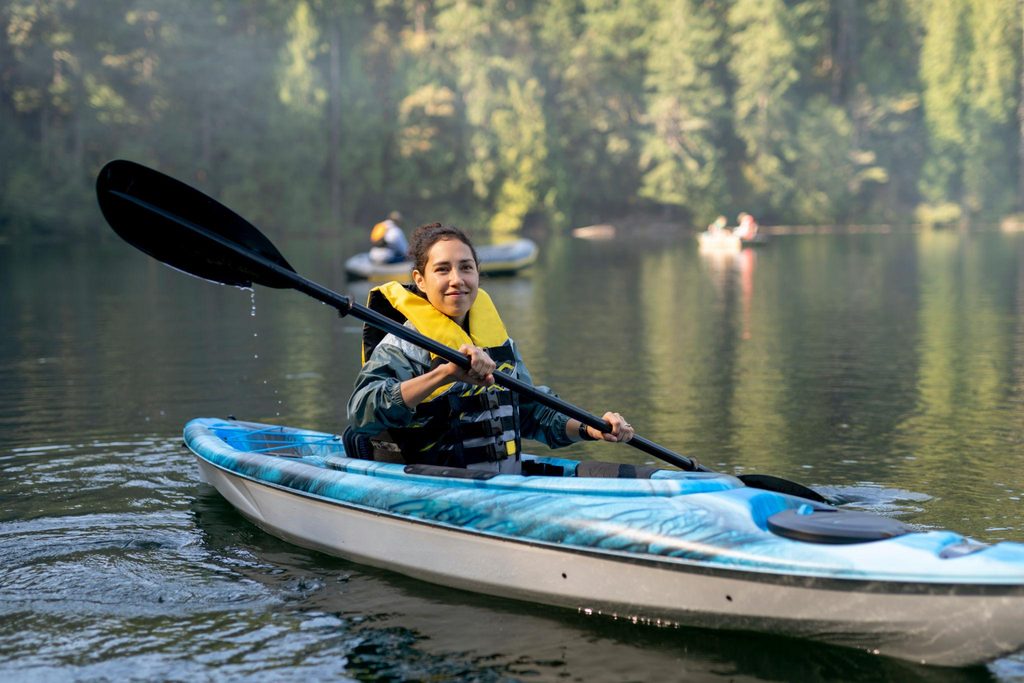
Safety equipment should be part of the activity rather than an optional extra.
For many boating and paddling activities, a properly fitted life jacket or personal flotation device is an essential part of the setup.
Depending on the activity and location, you may also need:
- Whistle or signaling device
- Appropriate clothing
- Sun protection
- Water
- Waterproof communication device
- Basic first-aid supplies
- Navigation equipment
- Extra clothing
- Activity-specific safety equipment
Equipment should be appropriate for the activity, the environment, and the conditions.
Before using a life jacket, check that it fits correctly and that its straps and buckles are in good condition.
10. Check Weather and Water Conditions
A calm-looking body of water can change significantly with wind or weather.
Before going out, check:
- Weather forecast
- Wind
- Waves
- Water conditions
- Current
- Temperature
- Storm risk
- Local warnings
This is particularly important for kayaking, paddleboarding, and other activities where you may be away from shore.
National Park Service guidance for paddling emphasizes checking current weather and water conditions and adjusting plans when conditions become unsuitable.
If conditions are beyond your experience, change your plan.
There is no need to force an outdoor activity simply because it was scheduled.
11. Start Close to Shore
Your first session does not need to take you far from land.
Staying closer to shore can make it easier to:
- Practice basic movements
- Rest
- Check your equipment
- Return to land
- Understand how the water feels
- Build confidence
Once you become more comfortable, you can gradually explore farther.
The important part is to increase difficulty only when your skills and conditions support it.
12. Learn How to Stop Before Going Far
Beginners often focus heavily on moving forward.
Stopping is just as important.
Before traveling far, practice:
- Slowing down
- Stopping
- Turning
- Moving backward when appropriate
- Returning toward shore
- Maintaining control
For paddling sports, knowing how to control your direction and speed gives you more options when wind or current affects your movement.
Practice these skills in a calm and controlled environment before attempting a longer trip.
13. Learn What to Do If You Fall In
Falling into the water can happen even during a beginner session.
The important thing is to know what you will do before it happens.
Your basic plan should include:
- Stay calm.
- Keep your safety equipment on.
- Hold onto your equipment if it is safe to do so.
- Get your breathing under control.
- Move toward a safe exit or return point.
- Ask for help when necessary.
For activities such as kayaking, learning a suitable self-rescue or assisted-rescue technique before going farther from shore can be especially important.
Do not wait until an emergency to discover that you do not know how to get back onto your equipment.
14. Consider Water Temperature
Warm weather does not necessarily mean warm water.
Water temperature can be much lower than the surrounding air, especially in some lakes, rivers, and coastal environments.
Cold water can affect movement, breathing, and your ability to remain comfortable.
If you are planning an activity where falling into the water is possible, consider:
- Water temperature
- Air temperature
- Wind
- Clothing
- Time spent in the water
- Distance from shore
In colder conditions, appropriate exposure protection may be necessary.
Do not underestimate cold water simply because the weather feels warm.
15. Decide Whether You Prefer Solo or Group Activities
Beginners often benefit from having someone else nearby.
A partner can:
- Help with equipment
- Observe conditions
- Assist if something goes wrong
- Provide encouragement
- Help with basic techniques
Paddling guidance commonly recommends staying with others rather than traveling alone, particularly when conditions or rescue options are challenging.
If you do go alone, make sure someone knows your plan, location, and expected return time.
16. Choose the Right Difficulty for Your First Trip
Your first water-sports experience should be about learning.
Avoid combining too many challenges at once.
For example, a beginner may not want to combine:
- New equipment
- Strong wind
- Long distance
- Cold water
- Remote location
- Moving current
Instead, simplify the experience.
Choose:
- Familiar or suitable equipment
- Calm conditions
- Short duration
- Easy access to shore
- A location appropriate for your skill level
Once you understand the basics, you can gradually add new challenges.
17. Match the Activity to Your Personality
Your personality can also influence what you enjoy.
If You Like Exploring
You may enjoy kayaking, canoeing, or another paddling activity.
If You Like Balance and Movement
Paddleboarding may be interesting.
If You Like Swimming
Swimming or snorkeling may provide a more natural starting point.
If You Prefer Relaxed Outdoor Time
A calm-water paddling activity may be more appealing than a high-intensity sport.
If You Enjoy Learning Skills
Activities involving paddling, balance, navigation, or technique can provide a longer learning process.
There is no need to choose an activity simply because it is popular.
Choose one that matches the experience you want.
18. How to Choose Between Kayaking and Paddleboarding
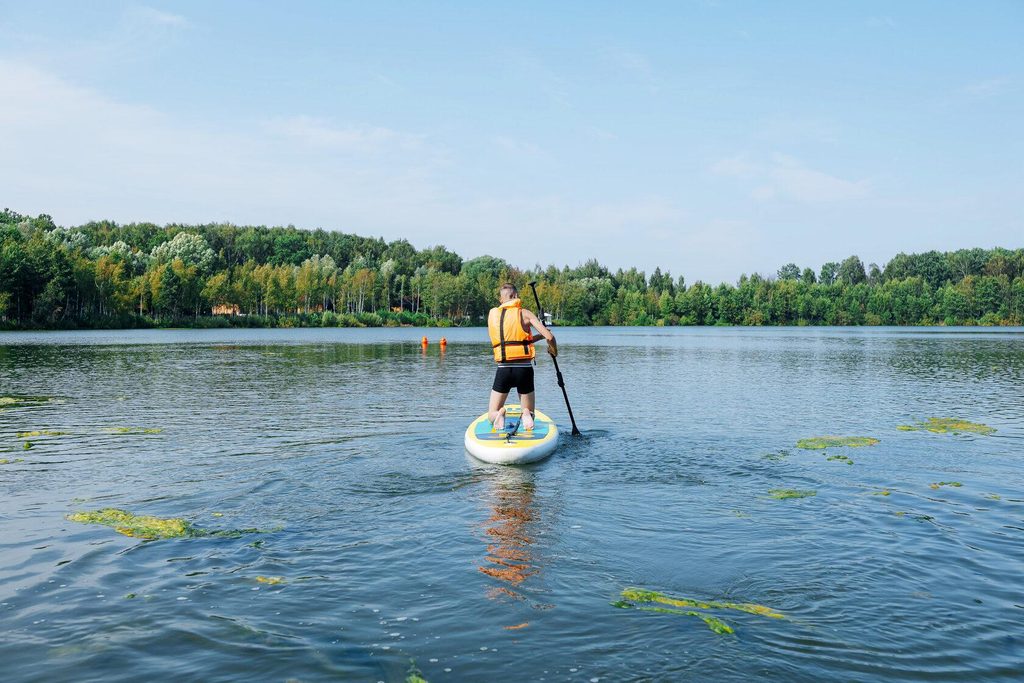
These two activities are common choices for beginners, but they feel very different.
Choose Kayaking If You Prefer:
- Sitting while paddling
- Longer exploration
- More enclosed equipment
- Scenic trips
- Learning paddle control
Choose Paddleboarding If You Prefer:
- Standing
- Balance challenges
- Open movement
- Light exercise
- Calm-water exploration
Both activities require proper safety preparation.
Neither should be treated as completely risk-free simply because the water looks calm.
19. How to Choose Your First Location
Once you know which activity interests you, choose the location carefully.
Look for:
- Suitable conditions
- Easy water access
- Reasonable distance from shore
- Clear entry and exit points
- Appropriate facilities
- Weather information
- Local rules
- Emergency access
- Conditions suitable for beginners
For river activities, check water levels and current conditions before entering. National Park Service guidance specifically recommends checking weather and river levels and knowing your limits.
For coastal activities, pay attention to waves, wind, tides, currents, and local warnings.
20. A Simple Beginner Decision Guide
Use these questions to narrow down your first activity.
Question 1
Do you feel comfortable swimming?
If yes, you have more options.
If no, focus first on building basic water confidence and skills in an appropriate setting.
Question 2
Do you want to stay mostly on the surface?
If yes, consider paddling activities.
Question 3
Do you enjoy balance challenges?
If yes, a board-based activity may interest you.
Question 4
Do you prefer exploring or exercising?
Exploring may point toward paddling.
Exercise-focused goals may lead you toward swimming or more physically demanding activities.
Question 5
Is your local water calm or moving?
Choose an activity that matches your environment and experience.
Question 6
How much equipment can you manage?
Start with a setup you can understand and control.
21. Common Mistakes Beginners Should Avoid
Choosing an Activity Only Because It Looks Fun
An activity may look easy from shore but require considerable balance, strength, or water confidence.
Going Too Far From Shore
Your first session does not need to become a long expedition.
Ignoring Weather
Wind and waves can make conditions much more difficult.
Forgetting Water Temperature
Warm air does not guarantee warm water.
Using Poorly Fitted Safety Equipment
A life jacket should fit the intended user and be appropriate for the activity.
Practicing Alone
Having another person nearby can provide an additional layer of safety.
Trying to Learn Everything in One Day
Focus on a few basic skills during your first session.
Going Out Without Telling Anyone
For longer or remote activities, leave someone a basic plan with your location and expected return time.
Treating Calm Water as Completely Safe
Even calm-looking water can have hidden hazards or changing conditions.
22. A Beginner Water-Sports Checklist
Before your first adventure, check the following:
Personal Skills
- Comfortable around water
- Basic swimming ability appropriate for the activity
- Understand personal limits
- Know how to get help
Location
- Suitable for beginners
- Weather checked
- Water conditions checked
- Entry and exit points identified
- Local rules checked
Equipment
- Activity equipment suitable for your size and skill
- Properly fitted life jacket when required
- Paddle or activity-specific equipment
- Water
- Sun protection
- Appropriate clothing
- Communication method
- Basic emergency supplies
Trip Planning
- Start close to shore
- Choose a manageable duration
- Tell someone your plan
- Have a return time
- Have an alternative plan if conditions change
23. The Simple Formula for Choosing a Water Sport
Remember this simple formula:
Skills → Environment → Activity → Equipment → Conditions → Experience
Skills
Start with what you can safely do now.
Environment
Consider the lake, river, ocean, or swimming area where you will participate.
Activity
Choose a sport that matches your goals.
Equipment
Use equipment appropriate for the activity and your experience.
Conditions
Check weather, water conditions, temperature, wind, waves, and current.
Experience
Keep your first adventure simple and learn from it.
This approach makes it easier to choose an activity without trying to make your first day more complicated than necessary.
24. Keep Your First Adventure Simple
Your first water-sports experience does not need to be impressive.
You do not need to travel a long distance, stay on the water for hours, or master every technique.
A successful first outing might simply mean:
- Learning how to use the equipment
- Feeling comfortable on the water
- Practicing a few basic movements
- Understanding how the environment feels
- Returning safely
- Wanting to try again
Once you understand the basics, you can gradually increase distance, duration, and difficulty.
The best way to build confidence is to give yourself time to learn.
Final Thoughts
Choosing your first water sport is easier when you focus on your own skills, environment, goals, and comfort level rather than simply choosing the most exciting-looking activity.
Start by considering how comfortable you are around water. Then look at your swimming ability, preferred type of activity, local conditions, equipment, and physical effort.
Whether you eventually choose kayaking, paddleboarding, swimming, snorkeling, canoeing, or another activity, begin with manageable conditions and learn the basic skills before increasing the difficulty.
Most importantly, respect the water.
Check the weather and conditions, use appropriate safety equipment, know your limits, and have a clear plan for getting back to shore.
A simple and well-planned first adventure can help you discover which water activities you genuinely enjoy—and give you a foundation for exploring more of the outdoors in the future.