
Camping can be incredibly comfortable when you have the right setup. But once the sun goes down, temperatures can drop quickly, especially in spring, fall, or at higher elevations.
The good news is that you don’t need an expensive four-season setup to stay warm. The key is understanding where you lose heat and choosing the right combination of clothing, sleeping gear, campsite location, and shelter.
If you’re preparing for your first camping trip, this guide will show you how to stay warm at night without overpacking.
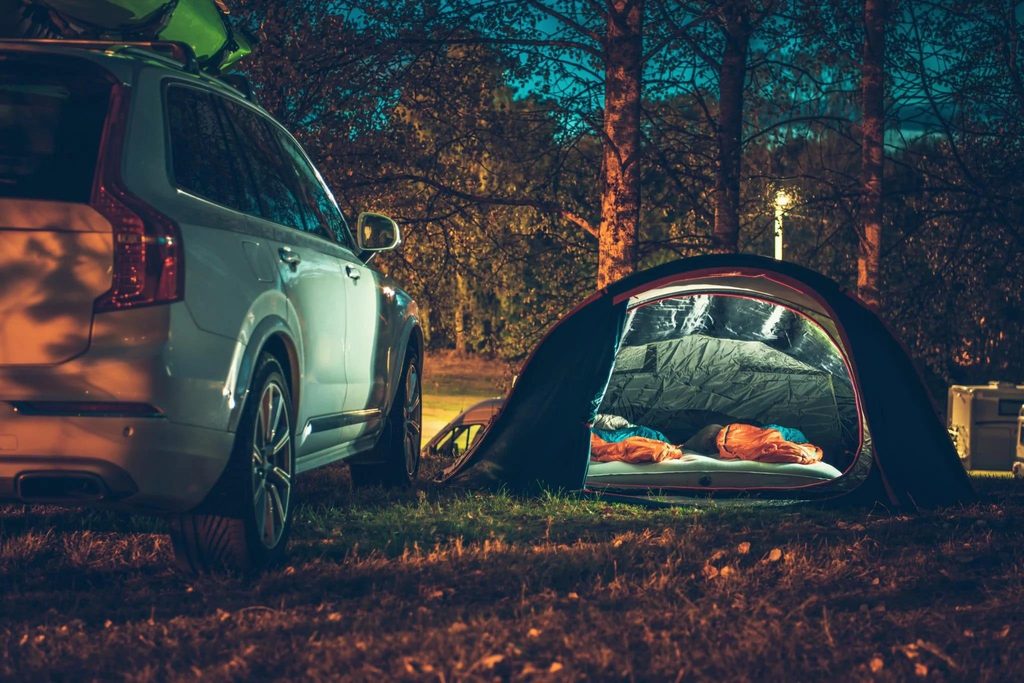
Why Do You Get Cold While Camping?
Several factors can make camping feel much colder than expected.
The temperature is obviously important, but it’s not the only thing that matters. Wind, humidity, damp clothing, the ground beneath your tent, and even the wrong sleeping bag can make a relatively mild night feel uncomfortable.
Your sleeping system is especially important because the ground can pull heat away from your body.
That’s why staying warm isn’t simply about buying a thicker sleeping bag. You need to think about your entire setup.
Choose the Right Sleeping Bag
Your sleeping bag is one of the most important pieces of gear for staying warm at night.
When choosing one, pay attention to its temperature rating. Don’t assume that a sleeping bag rated for a certain temperature will automatically keep everyone comfortable at that temperature.
For beginners, it’s generally better to choose a bag with some extra margin below the lowest temperature you expect.
For example, if the nighttime low is expected to be around 40°F, you probably don’t want a sleeping bag that is only rated around 40°F.
For more information, see our guide:
How to Choose a Sleeping Bag for Camping: A Beginner’s Guide
That article covers temperature ratings, insulation types, sleeping bag shapes, and sizing in more detail.
Don’t Forget Your Sleeping Pad
A common beginner mistake is focusing entirely on the sleeping bag and ignoring the sleeping pad.
Your sleeping pad does more than make the ground comfortable. It also provides insulation between your body and the cold ground.
A good sleeping bag can still feel surprisingly cold if you’re sleeping directly on an inadequately insulated surface.
When shopping for a sleeping pad, look at its R-value. A higher R-value generally means more insulation.
For mild summer camping, you may not need a heavily insulated pad. For colder conditions, however, a higher R-value becomes much more important.
Wear the Right Clothes to Bed
It might seem obvious, but what you wear inside your sleeping bag can make a big difference.
Start with dry clothing.
Never rely on the clothes you wore while hiking or setting up camp if they have become sweaty or damp. Change into a dry base layer before getting into your sleeping bag.
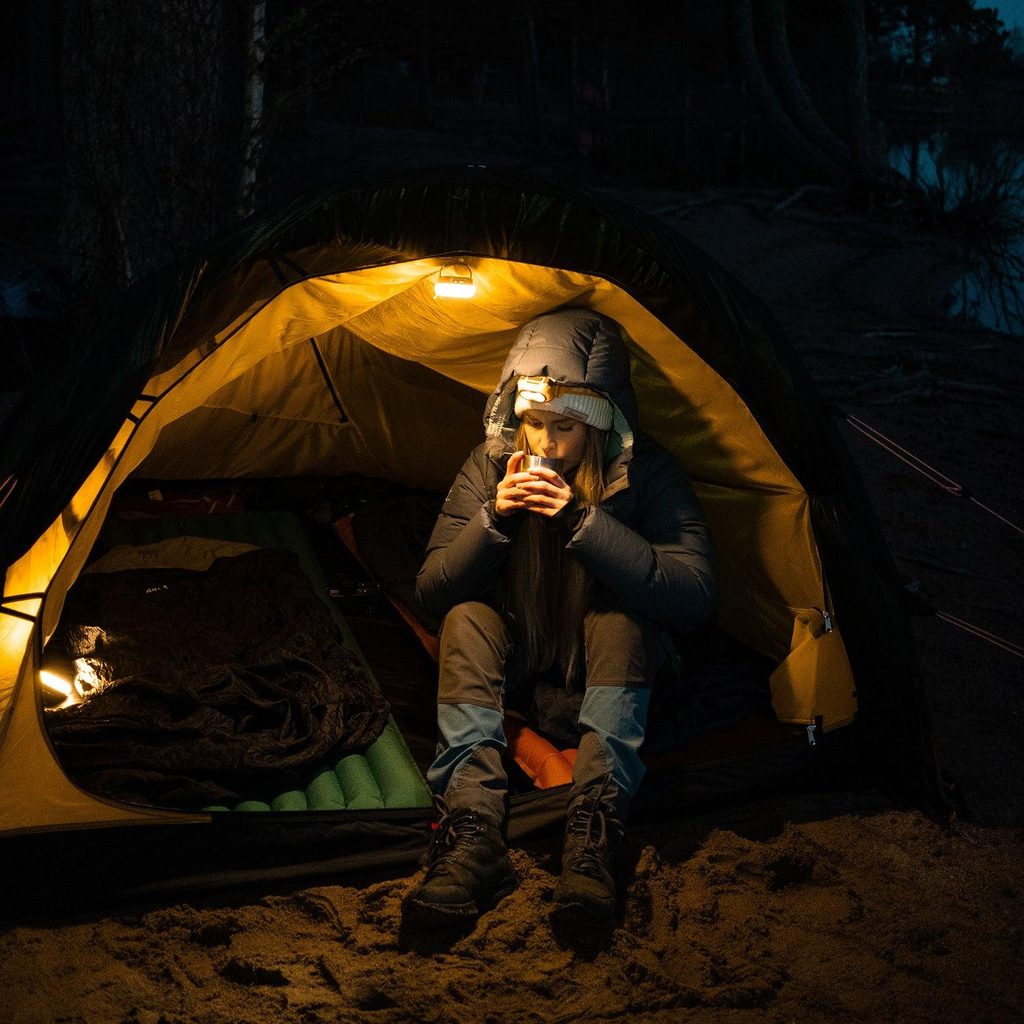
A simple combination might include:
- Dry base layer
- Warm socks
- Lightweight fleece or insulating layer
- Warm hat if needed
Avoid wearing extremely bulky clothing that compresses the insulation inside your sleeping bag. A sleeping bag works by trapping warm air around your body, and excessive compression can reduce its effectiveness.
Keep Your Clothes Dry
Moisture is one of your biggest enemies when camping in cold weather.
Keep your spare clothes inside a waterproof bag or dry bag, especially if rain is possible.
Don’t leave tomorrow’s clothes outside your tent overnight.
Even if it doesn’t rain, condensation and morning dew can leave clothing damp.
Having a completely dry set of clothes waiting for you in the morning can make a surprisingly big difference.
Choose Your Campsite Carefully
Your campsite location can affect how warm or cold you feel.
If you’re camping in a valley or low area, cold air can settle there overnight. An exposed campsite can also be much colder when strong winds are blowing.
When choosing a site, look for a location that provides some natural protection from wind while still being safe and well-drained.
Avoid low spots where water could collect during rain.
For more campsite-selection advice, check out:
How to Choose a Campsite: 10 Things Beginners Should Check
Set Up Your Tent Properly
Your tent isn’t designed to work like a heated room. Its main job is to protect you from wind, rain, and the elements.
Make sure your rainfly is properly installed if conditions require it, and keep the tent reasonably ventilated.
It can be tempting to completely seal everything up because you’re cold, but poor ventilation can increase condensation inside the tent.
A damp sleeping environment can make you feel colder and can also make your gear less comfortable.
Use a Hot Water Bottle
One simple trick is to fill a suitable leak-proof bottle with hot water and place it inside your sleeping bag before going to sleep.
Put it near your feet or around your core area.
Make sure the container is designed to handle hot water and is securely closed. You don’t want a leaking bottle inside your sleeping bag.
This can be especially useful on chilly nights when you need a little extra warmth while getting into bed.
Eat and Drink Enough
Your body needs energy to stay warm.
Eating a proper dinner before bed can help you feel more comfortable on a cold night. A warm meal or drink can also make the evening more enjoyable.
However, avoid relying on alcohol as a way to stay warm. It can create a temporary sensation of warmth while actually increasing heat loss.
Instead, stick with warm non-alcoholic drinks such as tea, cocoa, or warm water.
Common Mistakes That Make Campers Cold
Here are some of the most common mistakes beginners make:
Using a sleeping bag that’s too warm or too cold
Always consider the expected nighttime temperature before choosing your sleeping bag.
Sleeping directly on the ground
Even a warm sleeping bag can feel cold without adequate insulation underneath you.
Going to bed in wet clothes
Change into dry clothes before getting into your sleeping bag.
Bringing only one layer
Weather can change quickly. Bring enough clothing layers so you can adjust your insulation.
Ignoring wind
A windy campsite can feel much colder than the actual temperature suggests.
A Simple Cold-Weather Camping Checklist
Before leaving home, check that you have:
- Sleeping bag suitable for the expected temperature
- Insulated sleeping pad
- Dry base layer
- Warm socks
- Extra insulating layer
- Warm hat
- Waterproof storage for spare clothes
- Proper tent and rainfly
- Hot-water bottle if needed
- Warm food and drinks
Final Thoughts
Staying warm while camping doesn’t necessarily require expensive gear.
Start with the basics: choose the right sleeping bag, use an adequately insulated sleeping pad, keep your clothing dry, protect yourself from wind, and choose your campsite carefully.
Once those basics are covered, small additions such as a warm hat, dry socks, or a hot-water bottle can make a cold night much more comfortable.
The goal isn’t to bring everything. It’s to build a simple sleeping system that matches the conditions you’re actually going to camp in.