

Choosing where to travel can sometimes be harder than planning the trip itself.
There are thousands of cities, beaches, national parks, and countries to choose from. A destination that looks amazing in photos may not be the right choice for your budget, schedule, or travel style.
The good news is that you don’t need to find the “perfect” destination.
You simply need to find a destination that fits your time, budget, interests, and travel goals.
This beginner-friendly guide explains how to choose a travel destination without making the process complicated.
1. Decide What You Want From the Trip
Before searching for destinations, think about what you actually want to do.
Do you want to relax on a beach? Explore a new city? Go hiking? Eat great food? See famous landmarks? Take a road trip?
Start by choosing the type of experience you want.
Common travel styles include:
- Beach vacations
- City trips
- Road trips
- National parks
- Hiking and outdoor adventures
- Food-focused trips
- Cultural experiences
- Family vacations
- Weekend getaways
- Relaxing resort vacations
- Budget travel
- Luxury travel
For example, someone looking for a quiet weekend probably shouldn’t choose a destination that requires two long flights and a complicated itinerary.
Start with the experience, then choose the location.
2. Set Your Travel Budget
Your budget can quickly narrow down your destination options.
Don’t only consider the price of the hotel. Think about the entire trip.
Your travel budget may include:
- Flights or transportation
- Accommodation
- Food
- Local transportation
- Activities
- Travel insurance
- Parking
- Rental cars
- Entrance fees
- Shopping
- Emergency expenses
A destination with cheap hotels isn’t necessarily a cheap destination if flights are expensive.
Likewise, an expensive-looking city can sometimes be affordable if transportation and accommodation are reasonably priced.
Before choosing a destination, estimate the total cost of the trip.
3. Consider How Much Time You Have
The amount of time available can have a major impact on where you should travel.
For a two- or three-day trip, staying relatively close to home usually makes more sense.
For a longer vacation, you can consider destinations that require more travel time.
As a simple rule:
Short trip = shorter travel time
Longer trip = more flexibility
If you only have a long weekend, spending half of it traveling may leave you feeling like you didn’t actually get a vacation.
4. Think About the Travel Time
Look at the total time required to reach the destination.
A destination that is technically only a few hours away by plane may take much longer when you include:
- Driving to the airport
- Airport check-in
- Security
- Layovers
- Immigration
- Baggage collection
- Transportation to your hotel
Consider the entire door-to-door journey.
This is especially important for short vacations.
If you have only three days available, a destination that takes 18 hours of travel each way may not be the best choice.
5. Check the Weather
Weather can completely change your travel experience.
A destination that looks perfect in summer may be very different during the rainy season or winter.
Before booking, check:
- Average temperatures
- Rainfall
- Snow
- Hurricane or storm seasons
- Humidity
- Daylight hours
- Typical weather during your travel dates
You don’t need perfect weather every day, but you should understand what conditions you’re likely to encounter.
If outdoor activities are the main reason for your trip, weather becomes even more important.
6. Match the Destination to Your Interests
Think about the activities you actually enjoy.
If you love hiking, look for destinations with good trails, mountains, forests, or national parks.
If you love food, consider cities known for their local cuisine and restaurant culture.
If you enjoy history, look for destinations with museums, historic neighborhoods, monuments, and cultural attractions.
If you prefer relaxing, a busy city packed with attractions may not be the best choice.
The best destination isn’t necessarily the most popular one.
It’s the one that matches what you enjoy doing.
7. Consider Who You Are Traveling With
Your destination should also work for the people traveling with you.
A destination that is perfect for a solo traveler may not be ideal for a family with young children.
Think about:
- Children
- Older travelers
- Mobility needs
- Different activity preferences
- Dietary requirements
- Travel experience
- Sleeping arrangements
When traveling with other people, try to choose a destination where everyone can find something enjoyable.
8. Think About Transportation
Transportation can make a huge difference once you arrive.
Some destinations have excellent public transportation, while others are much easier to explore with a rental car.
Ask yourself:
- Do I need to rent a car?
- Is public transportation available?
- Can I walk between major attractions?
- How expensive are taxis or rideshares?
- Will I need to drive long distances?
For example, a large city may be easier to explore without a car, while a national park or rural destination may require one.
Transportation should be part of your destination decision, not something you figure out after booking.
9. Check Accommodation Options
Before committing to a destination, take a quick look at available accommodation.
Search for hotels, vacation rentals, hostels, campgrounds, or other options depending on your travel style.
Pay attention to:
- Average nightly prices
- Location
- Availability
- Parking
- Public transportation
- Resort or destination fees
- Taxes
- Cancellation policies
A destination can look affordable until you discover that accommodation prices are extremely high during your travel dates.
Checking hotel prices early can help you avoid surprises.
10. Research Safety and Local Conditions
Safety is another important part of choosing a destination.
Before traveling, research current local conditions and official travel information.
Look for information about:
- Common tourist scams
- Areas travelers should avoid
- Local transportation
- Weather risks
- Health requirements
- Entry requirements
- Local laws and customs
You don’t need to become an expert before visiting a destination.
However, understanding the basic conditions can help you make a more informed decision and prepare appropriately.
11. Check Entry and Travel Requirements
International travel can involve additional requirements.
Depending on your destination and nationality, you may need:
- A valid passport
- A visa
- Electronic travel authorization
- Proof of onward travel
- Travel insurance
- Vaccination documentation
- Specific entry forms
Requirements can change, so always check current official information before booking an international trip.
Don’t choose a destination based only on a cheap flight and discover later that you don’t have the documents required to enter.
12. Think About the Best Time to Visit
Many destinations have a peak season, shoulder season, and off-season.
Peak Season
Peak season usually offers favorable weather or major events, but prices and crowds can be higher.
Shoulder Season
Shoulder season can offer a balance between weather, prices, and crowds.
Off-Season
Off-season travel can be cheaper and quieter, although some attractions or businesses may have reduced hours.
The best time to visit depends on what matters most to you.
If saving money is your priority, traveling outside peak season may be worth considering.
13. Look at the Crowds
Popular destinations can become extremely busy during certain times of the year.
Crowds can affect:
- Hotel prices
- Restaurant availability
- Attraction wait times
- Traffic
- Public transportation
- Overall travel experience
If you prefer a quieter trip, consider visiting during shoulder season or choosing a less crowded destination.
You can also stay slightly outside the main tourist area while remaining close enough to visit major attractions.
14. Compare Two or Three Destinations

You don’t need to compare twenty destinations.
Choose two or three realistic options and compare them.
For example:
| Factor | Destination A | Destination B | Destination C |
|---|---|---|---|
| Travel cost | Medium | High | Low |
| Hotel prices | Medium | High | Low |
| Weather | Great | Good | Mixed |
| Activities | Excellent | Excellent | Good |
| Transportation | Easy | Easy | Moderate |
| Crowds | High | Medium | Low |
| Trip length | 4–5 days | 5–7 days | 2–4 days |
This simple comparison can make your decision much easier.
15. Don’t Choose a Destination Just Because It’s Trending
Social media can make certain destinations look incredible.
But a destination that is perfect for someone else may not be right for you.
Photos don’t show everything.
They usually don’t show:
- Crowds
- Traffic
- Long lines
- High prices
- Bad weather
- Long travel times
- Difficult transportation
Use social media for inspiration, but don’t let it make the entire decision for you.
Research the practical side of the destination too.
16. Consider a Destination That Fits Your Travel Experience
If this is your first international trip, you may want to choose a destination with relatively straightforward transportation and easy-to-understand logistics.
More experienced travelers may enjoy destinations that require more planning.
There’s nothing wrong with starting simple.
A successful first trip can give you the confidence to take on more complicated destinations later.
17. Don’t Try to See Everything
One common mistake is choosing a huge destination and trying to experience everything in one trip.
You don’t necessarily need to visit five cities in seven days.
A slower trip can often be more enjoyable.
Instead of asking:
“How many places can I visit?”
Ask:
“How much time do I want to spend actually enjoying each place?”
This is especially important for road trips and multi-city vacations.
18. Use a Simple Destination Decision Checklist
Before booking, ask yourself these questions:
- Does this destination fit my budget?
- Is the travel time reasonable?
- Does the weather work for my dates?
- Are there activities I actually enjoy?
- Is the destination suitable for my travel companions?
- Is transportation manageable?
- Are accommodation prices reasonable?
- Do I have the required travel documents?
- Are there any major safety concerns?
- Is this destination realistic for the amount of time I have?
If most of the answers are yes, you’ve probably found a good option.
19. A Simple Example
Imagine you have five days available and want a mix of outdoor activities, good food, and sightseeing.
You have a moderate budget and don’t want to spend an entire day traveling.
Instead of searching for the “best destination in the world,” you could narrow your choices to three destinations that meet your basic requirements.
Then compare:
Budget → Travel time → Weather → Activities → Accommodation → Transportation
The destination that performs well across all six categories is probably a better choice than one that is amazing in only one category.
This approach makes travel planning much less overwhelming.
20. The Best Travel Destination Is the One That Fits You
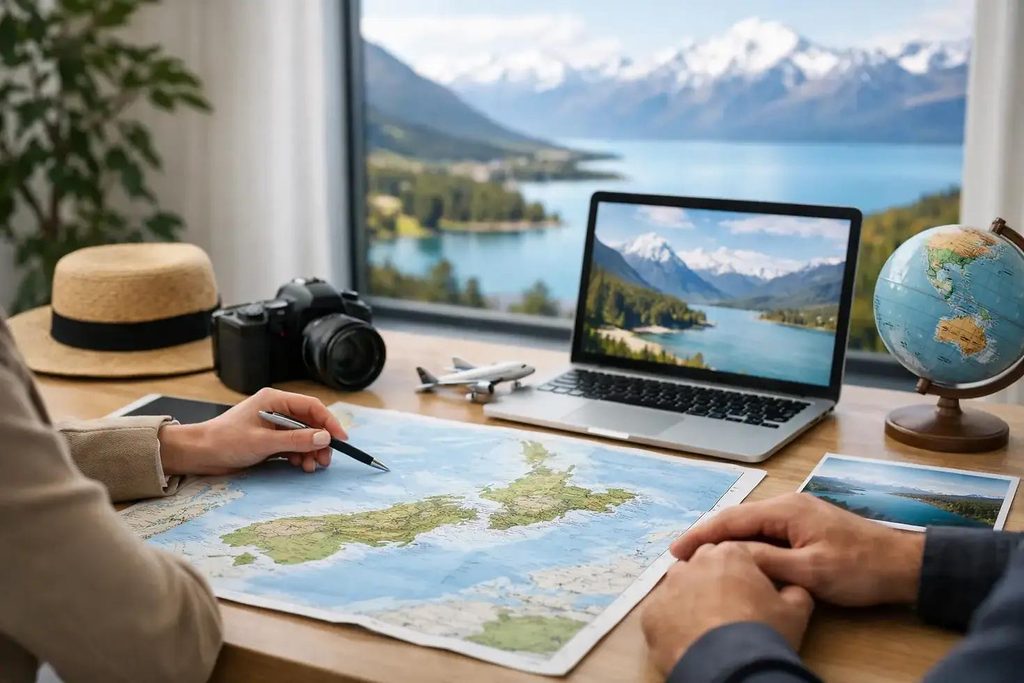
There is no single best travel destination for everyone.
The right destination depends on:
- Your budget
- Your available time
- Your interests
- Your travel companions
- Your preferred weather
- Your comfort level
- Your transportation preferences
Don’t worry about finding the destination that everyone online says you “must visit.”
Find the destination that makes sense for your trip.
Once you know what you want from the experience, choosing where to go becomes much easier.
Travel Destination Checklist
Before you book your trip, quickly review:
- I know what type of trip I want
- I have a realistic budget
- I know how much time I have
- I checked travel time
- I checked the weather
- The destination matches my interests
- It works for my travel companions
- I researched transportation
- I checked accommodation prices
- I reviewed safety information
- I checked entry requirements
- I considered peak and off-season travel
- I compared a few destinations
- I have a basic backup plan
Final Thoughts
Choosing a travel destination doesn’t have to be complicated.
Start with what you want from the trip, then work backward from your budget, schedule, weather, activities, and transportation.
You don’t need the most popular destination or the cheapest destination.
You need a destination that fits your time, your budget, and the kind of experience you want to have.
Once you find that, the rest of the trip planning becomes much easier.