

Hiking is one of the simplest ways to spend time outdoors, but your first hike can feel a little overwhelming if you don’t know what to expect.
How difficult should your first trail be? What shoes should you wear? How much water should you bring? Do you need special hiking gear?
The good news is that you don’t need an expensive collection of outdoor equipment to get started.
A successful first hike is mostly about choosing the right trail, checking the weather, bringing enough food and water, wearing comfortable clothing and footwear, and knowing your limits.
This beginner’s guide explains what you need to know before your first hike and how to make your early hiking experiences safer and more enjoyable.
Quick Answer
What do you need for your first hike? Choose a trail that matches your experience and fitness level, check the weather and trail conditions, wear comfortable shoes with good traction, bring enough water and food, carry basic navigation and emergency supplies, and tell someone where you’re going. Start with a shorter, easier trail and gradually increase the distance and difficulty as you gain experience.
What Is Hiking?
Hiking is walking outdoors on a trail or natural route for recreation, exercise, exploration, or transportation.
Hiking can take place in many different environments, including:
- Forests
- Mountains
- Parks
- Deserts
- Beaches
- Hills
- Grasslands
- Nature preserves
- Urban and suburban trails
Some hikes are short and relatively flat, while others involve steep climbs, uneven terrain, long distances, or changing weather conditions.
You don’t need to start with a difficult mountain trail.
For beginners, an easy trail close to home can be an excellent way to learn how your body, clothing, footwear, and gear perform outdoors.
Why Should You Start Hiking?
Hiking gives you a chance to spend time outdoors while moving at your own pace.
It can also be a flexible activity.
You can go for a short walk after work, spend a few hours on a weekend trail, or eventually plan longer hikes in more remote areas.
Some of the benefits of hiking include:
- Getting regular physical activity
- Spending time outdoors
- Exploring new places
- Improving your endurance
- Building confidence outdoors
- Spending time with friends or family
- Taking a break from everyday routines
You don’t have to hike quickly or cover a long distance to enjoy it.
The goal of your first hike should be to become comfortable on the trail.
How Should a Beginner Choose a Hiking Trail?
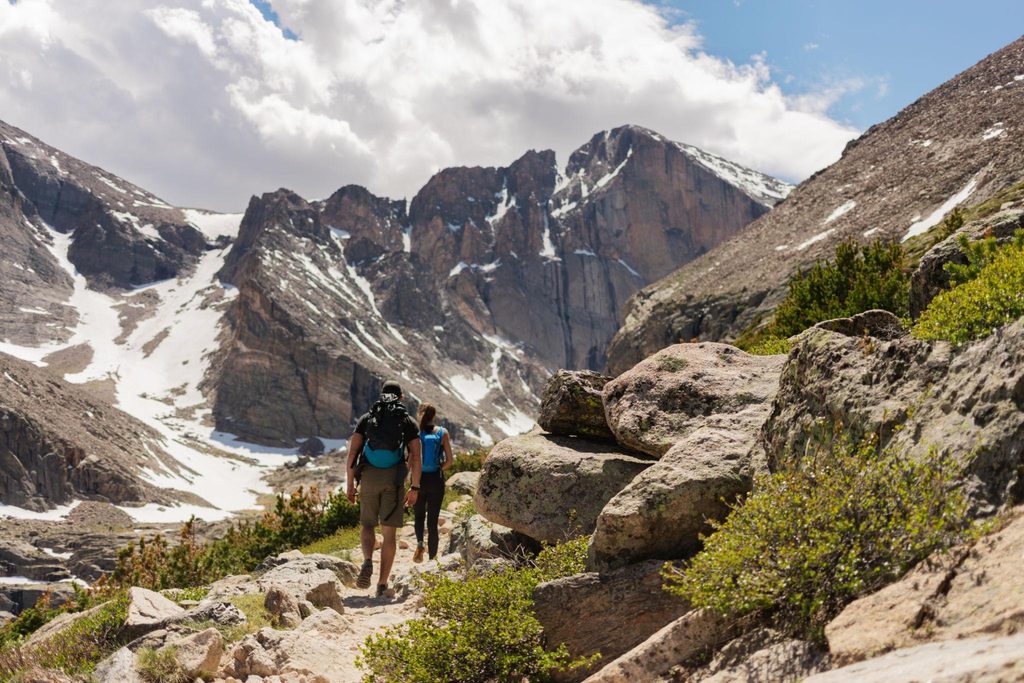
Choosing the right trail is one of the most important decisions you can make before your first hike.
Don’t choose a trail simply because the photos look impressive.
Look at the actual trail information.
Check:
- Distance
- Elevation gain
- Trail difficulty
- Terrain
- Expected hiking time
- Weather conditions
- Water availability
- Trail closures or alerts
- Cell service
- Parking or transportation
- Whether dogs are allowed
- Whether the trail is suitable for your group
A short trail with steep elevation gain can be much more demanding than a longer trail on relatively flat ground.
Start Short and Easy
For your first few hikes, choose a route that gives you plenty of time to finish before dark.
A shorter trail also makes it easier to learn:
- How quickly you walk
- How much water you drink
- How much food you need
- How your shoes feel
- How your body responds to hills
- How long breaks take
As you gain experience, you can gradually increase your distance and difficulty.
Check the Weather Before Hiking
Weather can change quickly outdoors.
Before leaving, check the forecast for the area where you’ll actually be hiking.
Pay attention to:
- Temperature
- Rain
- Thunderstorms
- Wind
- Snow
- Heat
- Humidity
- Severe weather warnings
Don’t look only at the temperature.
A warm day with strong sun can feel very different from a cool, windy day.
Rain can also change trail conditions, especially on steep, muddy, rocky, or low-lying trails.
If the weather looks unsafe, consider changing your plans rather than trying to complete the hike anyway.
Tell Someone Where You’re Going
It’s a good habit to let someone know your hiking plans.
Tell them:
- Where you’re going
- Which trail you plan to use
- When you’re leaving
- When you expect to return
- Who you’re hiking with
For longer or more remote hikes, having a more detailed trip plan becomes even more important.
If your plans change significantly, let your contact know when possible.
This simple habit can be especially useful if you become injured, lost, or delayed.
What Should You Wear Hiking?
You don’t need a complete hiking wardrobe to start.
Your clothing should mainly help you stay comfortable and adapt to changing conditions.
A basic hiking clothing system can include:
- Comfortable moisture-managing shirt
- Lightweight hiking pants or shorts
- Extra layer
- Rain jacket when needed
- Comfortable socks
- Hat or sun protection
- Appropriate footwear
Dress in Layers
Layers make it easier to adjust your clothing as conditions change.
A simple system is:
Base layer: Helps manage moisture next to your skin.
Mid layer: Provides additional warmth when temperatures drop.
Outer layer: Helps protect you from wind and rain.
You don’t necessarily need all three layers on every hike.
Your clothing should match the weather, terrain, season, and expected duration of the hike.
Avoid Cotton in Cold or Wet Conditions
Cotton can absorb moisture and dry relatively slowly.
For colder or wetter conditions, materials such as synthetic fabrics or wool can be more practical because they can continue providing insulation when damp.
What Shoes Should You Wear Hiking?
Footwear should match the trail.
For an easy, maintained trail, comfortable athletic shoes may be enough.
For rougher trails, hiking shoes or hiking boots can provide more protection and traction.
Consider:
- Trail surface
- Rocks
- Mud
- Roots
- Elevation
- Wet conditions
- Distance
- Ankle stability
- Comfort
You don’t need heavy boots simply because you’re hiking.
The important thing is that your footwear fits well, feels comfortable, and provides appropriate traction for the trail.
Break In New Footwear Before a Long Hike
Don’t make a long hike the first time you wear a new pair of hiking shoes or boots.
Wear them on shorter walks first.
This gives you a chance to find potential problems such as:
- Heel rubbing
- Tight areas
- Hot spots
- Blisters
- Slipping
- Poor traction
How Much Water Should You Bring Hiking?
There isn’t one exact amount of water that works for every hike.
Your needs depend on:
- Temperature
- Humidity
- Hiking intensity
- Trail length
- Elevation
- Your individual needs
- Availability of reliable water sources
For a short beginner hike, carry enough water for the planned outing and consider bringing extra if conditions are hot or the route is more demanding than expected.
Never assume that a stream or natural water source is automatically safe to drink.
If you need to collect water outdoors, use an appropriate treatment or filtration method.
Bring Enough Food
Food becomes increasingly important as hiking distance and difficulty increase.
For a short hike, simple snacks may be enough.
Good options include:
- Trail mix
- Nuts
- Energy bars
- Dried fruit
- Crackers
- Sandwiches
- Fruit
- Other easy-to-carry foods
Bring more food than you expect to need when the hike is longer, more remote, or more difficult.
An unexpected delay can turn a planned short outing into a much longer day.
What Are the Ten Essentials?
The Ten Essentials are a useful way to think about basic hiking preparedness.
They are not simply a shopping list. They are categories of supplies designed to help you deal with common problems and unexpected situations.
A practical version includes:
- Navigation
- Sun protection
- Extra clothing
- Illumination
- First-aid supplies
- Fire-starting supplies where appropriate
- Repair tools
- Extra food
- Water and water-treatment supplies
- Emergency shelter
You don’t need a large backpack filled with expensive equipment for every short walk.
Instead, adjust what you carry based on the trail, weather, distance, remoteness, and duration of your hike.
Don’t Rely Only on Your Phone
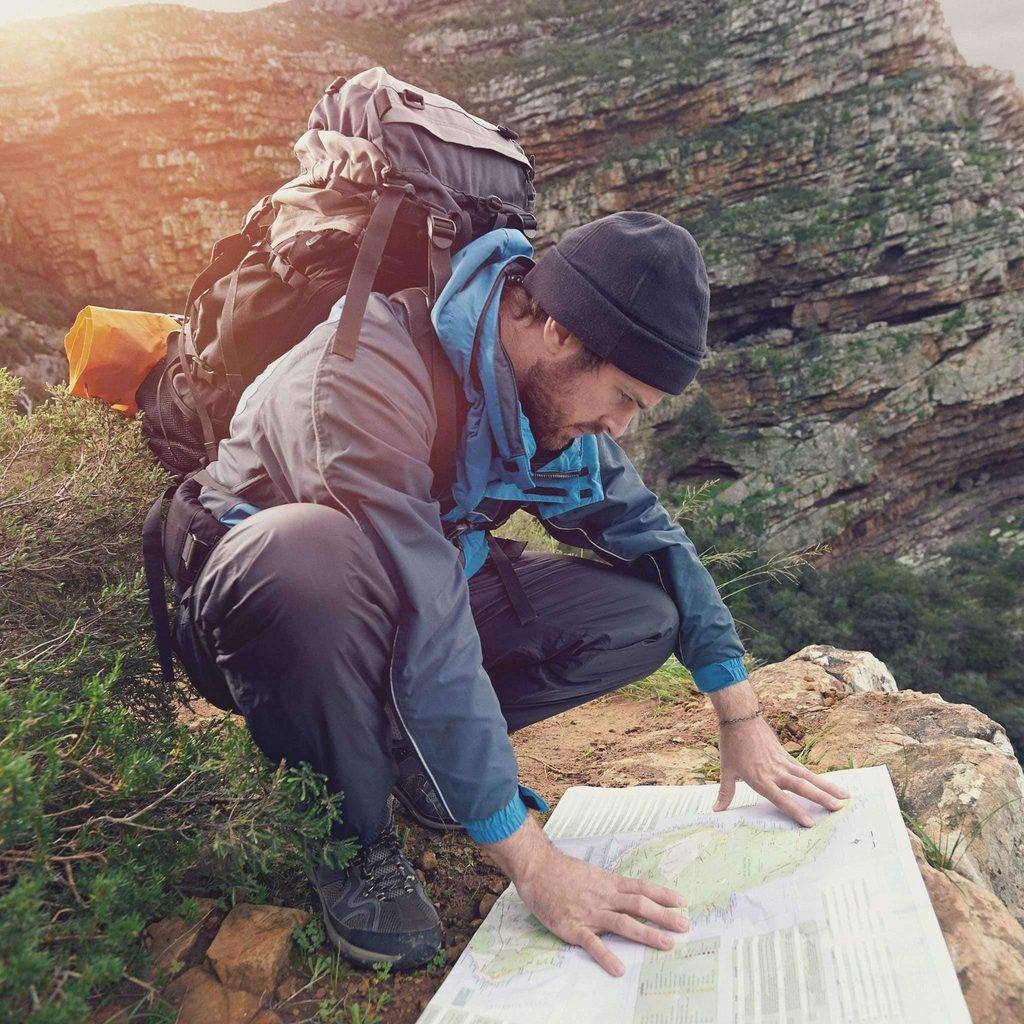
A smartphone can be extremely useful for navigation and communication.
But it shouldn’t always be your only navigation or emergency tool.
Your phone may have:
- Limited battery
- No cell service
- Poor GPS reception in certain environments
- Damage from water or falls
For more challenging hikes, consider carrying a physical map and learning basic navigation skills.
A portable battery can also be useful for longer outings.
Bring a Small First-Aid Kit
A basic first-aid kit can help with minor problems such as:
- Blisters
- Small cuts
- Scrapes
- Minor irritation
- Basic wound care
Your kit should match the length and difficulty of your hike.
For longer or more remote trips, additional supplies may be appropriate.
Don’t forget any personal medications you may need during the outing.
Protect Yourself From the Sun
Sun exposure can become uncomfortable surprisingly quickly when you’re outdoors.
Consider bringing:
- Sunscreen
- Sunglasses
- Hat
- Lightweight long-sleeve clothing when appropriate
Remember that you can still receive significant sun exposure on cool days.
Sun protection becomes especially important when hiking in open areas without much shade.
Don’t Underestimate Heat
Hot weather can make an easy trail much more difficult.
When hiking in warm conditions:
- Start early when appropriate
- Carry enough water
- Take regular breaks
- Protect yourself from the sun
- Wear breathable clothing
- Pay attention to how you feel
If you become unusually dizzy, weak, confused, or sick, stop and reassess the situation rather than continuing simply to finish the trail.
Be Careful With Cold Weather
Cold weather requires more preparation.
Bring appropriate layers and consider how conditions may change during the hike.
A sunny afternoon can become much colder after sunset or when strong winds arrive.
For cold-weather hiking, pay attention to:
- Temperature
- Wind
- Precipitation
- Daylight hours
- Clothing
- Gloves
- Hat
- Extra layers
Don’t assume that the weather at the trailhead will remain the same throughout the hike.
Stay on the Trail
Whenever possible, stay on designated trails.
Leaving the trail can increase the chance of becoming lost and can also damage the surrounding environment.
Stay especially careful around:
- Cliffs
- Steep slopes
- Loose rocks
- Waterfalls
- Fast-moving water
- Muddy areas
Slow down when the trail becomes difficult.
Watch Your Step
Many hiking injuries happen during ordinary walking rather than dramatic accidents.
Pay attention to where you’re placing your feet.
Watch for:
- Loose rocks
- Roots
- Mud
- Wet surfaces
- Uneven ground
- Steps
- Steep sections
Don’t let your phone distract you while walking through difficult terrain.
Stop somewhere safe if you need to check your map or messages.
Take Breaks
You don’t need to maintain a constant pace.
Take breaks when you need them.
Short breaks can give you time to:
- Drink water
- Eat a snack
- Adjust clothing
- Check your feet
- Look at your map
- Enjoy the scenery
Your hiking pace should allow you to complete the route safely rather than simply trying to move as quickly as possible.
Know When to Turn Around
Turning around is not a failure.
Sometimes conditions change, the trail takes longer than expected, or you realize that the route is beyond your current ability.
Consider turning around if:
- Weather becomes dangerous
- You are running out of daylight
- You are running low on water
- Someone in your group is struggling
- The trail becomes more difficult than expected
- You become injured
- You lose the route
- Conditions near water become dangerous
Setting a turnaround time before you start can help prevent a small delay from becoming a much bigger problem.
What Should You Do If You Get Lost?
The most important thing is to avoid making the situation worse.
If you realize you’re lost:
- Stop moving.
- Stay calm.
- Check your map or navigation device.
- Think about the last known location.
- Try to determine your direction.
- Contact someone if you have service.
- Use emergency communication equipment if necessary.
- Avoid wandering farther without a clear plan.
This is another reason to carry navigation tools and tell someone where you’re going before a hike.
Hiking Alone vs. Hiking With Someone
Both can be possible, but they require different levels of preparation.
For beginners, hiking with another person can make the experience easier and provide assistance if something goes wrong.
If you hike alone, be more deliberate about:
- Choosing an appropriate trail
- Checking conditions
- Sharing your itinerary
- Carrying navigation equipment
- Carrying enough water and food
- Bringing emergency supplies
- Knowing when to turn around
The more remote or difficult the hike, the more important preparation becomes.
How Should You Handle Wildlife?
Wildlife encounters are one of the reasons you should learn about the area before hiking.
Different regions have different animals and risks.
Depending on where you hike, you may encounter:
- Deer
- Snakes
- Bears
- Insects
- Wild pigs
- Mountain goats
- Other wildlife
Learn about the animals found in your area and follow local guidance.
Never approach or feed wildlife.
Keep your distance and avoid actions that could make an animal feel threatened.
What Should You Do About Bugs and Ticks?
Insects can make a hike uncomfortable, and some ticks and other insects can carry diseases.
Depending on the area and season, consider:
- Insect repellent
- Long pants
- Long sleeves
- Checking your clothing
- Checking your body after the hike
Pay particular attention to areas where ticks commonly attach.
Follow Trail Etiquette
Hiking is a shared outdoor activity.
Good trail etiquette helps everyone enjoy the experience.
Simple habits include:
- Keep noise under control
- Don’t block narrow trails
- Give other hikers enough space
- Follow posted rules
- Keep dogs under control where allowed
- Pack out your trash
- Don’t damage plants
- Respect wildlife
- Follow local trail guidelines
If you are hiking with a group, try to stay together rather than allowing the group to become widely separated.
Leave the Outdoors Clean
A simple rule for hiking is to leave the area as you found it.
That means:
- Pack out your trash
- Don’t leave food behind
- Stay on established trails
- Don’t damage plants
- Don’t take rocks, plants, or other natural objects
- Use designated facilities when available
The goal is to enjoy the outdoors without making the experience worse for the next person.
What Should a Beginner Pack for a Day Hike?
A basic beginner day-hike setup might include:
Navigation
- Phone with an offline map
- Physical map for more challenging routes
- Compass when appropriate
Hydration
- Water bottle or hydration reservoir
- Water treatment method when needed
Food
- Snacks
- Extra food for longer or more remote hikes
Clothing
- Extra layer
- Rain jacket when appropriate
- Hat
- Extra socks for longer or wet outings
Safety
- Small first-aid kit
- Headlamp or flashlight
- Emergency shelter
- Whistle
- Basic repair supplies
Sun and Insect Protection
- Sunscreen
- Sunglasses
- Insect repellent when appropriate
You don’t need every item for a short walk around a developed local trail.
The farther you go from easy access to roads, buildings, and other people, the more carefully you should prepare.
A Simple First-Hike Setup
If you’re completely new to hiking, keep your first trip simple.
A basic setup could look like this:
Trail: Short, well-marked beginner-friendly route
Clothing: Comfortable outdoor clothing suited to the forecast
Footwear: Comfortable shoes with suitable traction
Water: Enough for the planned hike plus an appropriate margin
Food: Easy snacks
Navigation: Phone with an offline map
Safety: Small first-aid kit and light source
Emergency: Extra layer and basic emergency supplies
This is enough to help you learn the basics without buying a huge amount of equipment.
Common Beginner Hiking Mistakes
Choosing a Trail That Is Too Difficult
A trail that looks manageable online may be much harder in person.
Start with something appropriate for your current experience.
Focusing Only on Distance
Two trails with the same distance can feel completely different depending on elevation and terrain.
Not Checking the Weather
A trail can become much harder when rain, heat, wind, or snow arrives.
Wearing New Shoes on a Long Hike
Blisters can turn a good day into an uncomfortable one very quickly.
Not Bringing Enough Water
Running out of water can become a serious problem, especially in hot weather.
Relying Only on Your Phone
A dead battery or lack of signal can leave you without useful navigation or communication.
Ignoring the Time
A hike that takes longer than expected can leave you outside after dark.
Trying to Finish at Any Cost
There is nothing wrong with turning around.
Carrying Too Much
Beginners sometimes buy too much equipment before understanding what they actually need.
Start with the essentials and add gear as your experience grows.
Beginner Hiking Checklist
Before your first hike, check:
- Choose a suitable trail
- Check the weather
- Check trail conditions and alerts
- Estimate hiking time
- Plan a turnaround time
- Tell someone where you’re going
- Bring enough water
- Pack food and snacks
- Wear comfortable footwear
- Dress for the weather
- Bring an extra layer
- Carry basic navigation tools
- Pack a small first-aid kit
- Bring a headlamp or flashlight
- Bring basic emergency supplies
- Carry sun protection
- Bring insect protection when needed
- Check your phone battery
- Download an offline map when appropriate
- Know when to turn around
Do You Need Expensive Hiking Gear?
No.
You can start hiking without buying a large collection of specialized equipment.
For beginner hikes, focus on the things that directly affect your comfort and safety:
- Suitable footwear
- Comfortable clothing
- Water
- Food
- Navigation
- Weather protection
- Basic safety supplies
As you gain experience, you’ll learn which equipment actually makes your hikes more comfortable.
You can then upgrade or add gear based on the type of hiking you enjoy.
How Often Should a Beginner Go Hiking?
There is no single schedule that works for everyone.
You can start with one short hike and see how your body responds.
Then gradually increase your:
- Distance
- Elevation
- Hiking time
- Terrain difficulty
You don’t need to hike every weekend to become a better hiker.
Consistency matters more than trying to do an extremely difficult hike too soon.
Where Should You Go for Your First Hike?
Look for a trail that is:
- Clearly marked
- Easy to access
- Appropriate for your fitness level
- Not too far from help
- Suitable for the current weather
- Long enough to be enjoyable but short enough to finish comfortably
A well-maintained trail near your home can be a better first experience than an ambitious mountain adventure several hours away.
Once you’re comfortable with basic hiking skills, you can gradually explore more challenging environments.
Final Thoughts
Hiking doesn’t have to be complicated.
You don’t need the most expensive shoes, the biggest backpack, or the latest outdoor equipment to enjoy your first trail.
Start by choosing a suitable route, checking the weather, wearing comfortable clothing and footwear, carrying enough water and food, and bringing basic navigation and emergency supplies.
Most importantly, know your limits.
A successful hike isn’t about reaching the hardest summit or walking the longest distance.
It’s about getting outside, enjoying the trail, and returning safely with the confidence to explore again.
As you gain experience, you can gradually take on longer distances, steeper terrain, different environments, and more challenging adventures.