
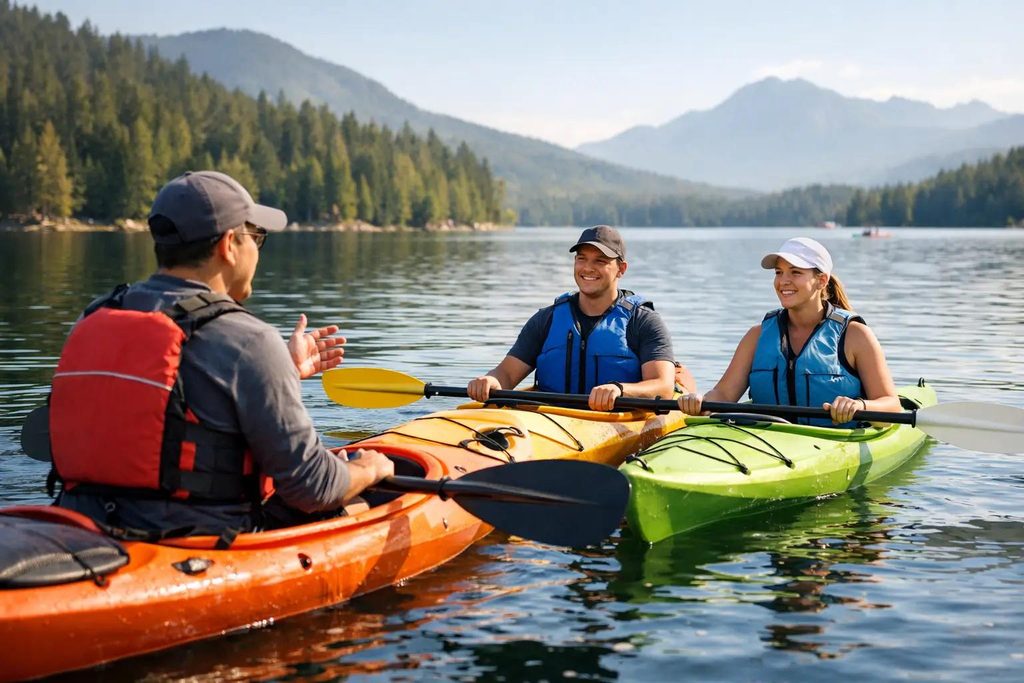
Water sports are a great way to spend time outdoors while enjoying lakes, rivers, coastlines, and other natural environments. Activities such as kayaking, paddleboarding, canoeing, and recreational paddling can be relaxing, active, and surprisingly easy to begin.
However, being comfortable on land does not always mean being prepared for the water. Wind, waves, currents, changing weather, cold water, and unfamiliar equipment can quickly make a simple outing more challenging.
The good news is that beginners do not need to master everything at once. Starting with the right environment, basic equipment, and a simple safety routine can make your first experience much more enjoyable.
Start With Calm and Protected Water
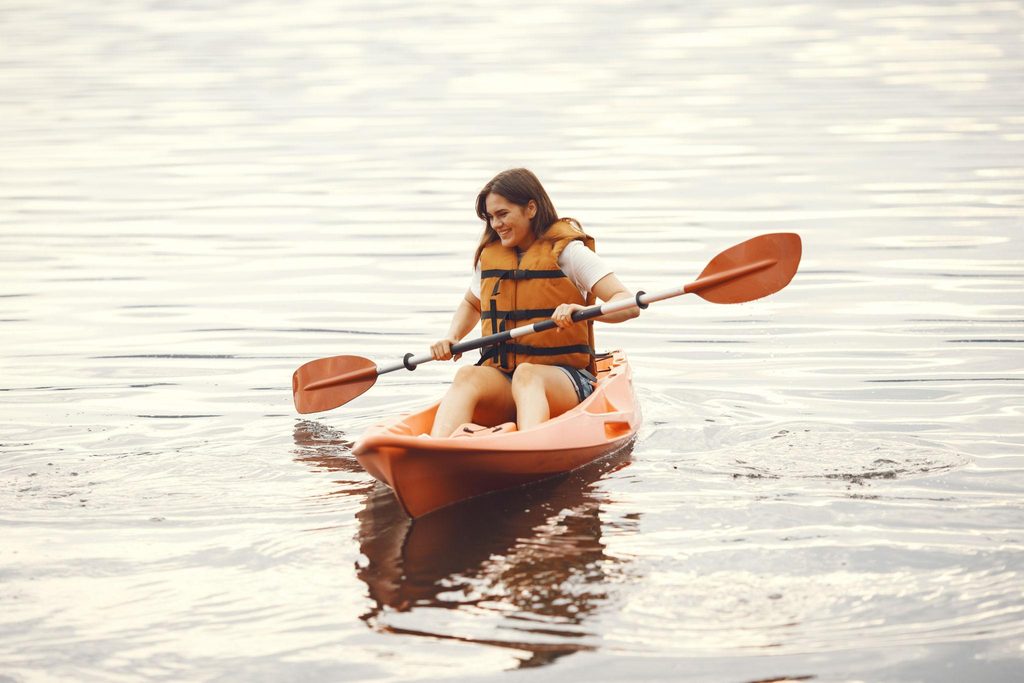
One of the easiest ways to make your first water sports experience more comfortable is to choose the right location.
Beginners should look for calm, protected water with limited boat traffic and relatively easy access to shore. Small lakes, calm bays, protected waterways, and slow-moving sections of water can be easier places to learn basic skills.
Avoid starting in strong currents, large waves, heavy wind, or unfamiliar open-water conditions.
The goal of your first outing should be to become comfortable with the equipment and the movement of the water rather than trying to cover a long distance.
A short trip in easy conditions can provide much more useful experience than an ambitious trip that pushes you beyond your current skill level.
Choose Equipment That Matches Your Experience
Water sports equipment can vary greatly depending on the activity.
A beginner-friendly setup should prioritize stability, comfort, and control rather than advanced performance.
For example, a recreational kayak designed for calm water can be easier to handle than a specialized boat intended for rough conditions. A stable paddleboard can also make it easier for a new paddler to learn balance and basic movement.
Before heading out, make sure the equipment is appropriate for:
- Your experience level
- Your body size and weight
- The type of water you plan to use
- The expected weather conditions
- The length of your trip
Equipment should also be checked before every outing. Look for visible damage, loose parts, worn straps, or anything else that could affect safe operation.
Always Wear a Properly Fitted Life Jacket
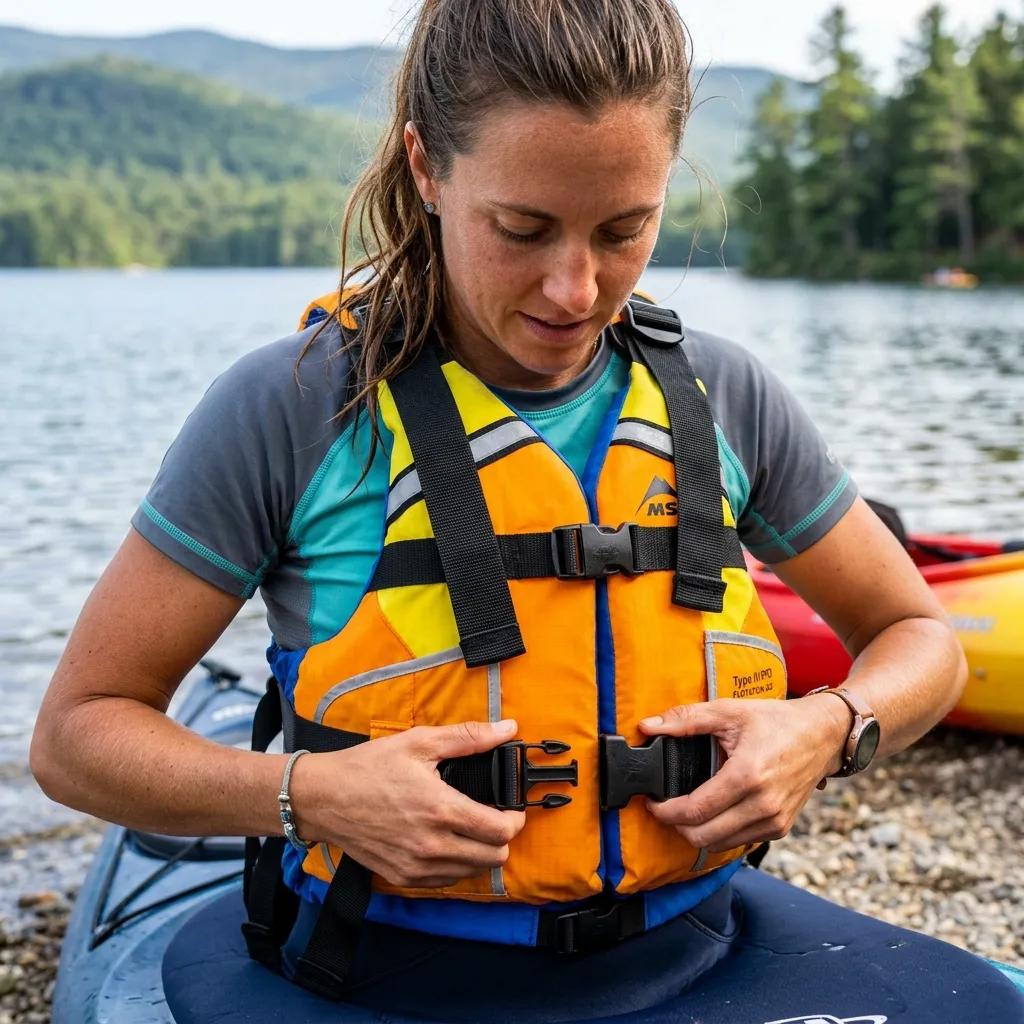
A life jacket is one of the most important pieces of safety equipment for water activities.
It should fit securely without restricting normal movement. The jacket should not ride up excessively when adjusted properly, and it should remain comfortable enough to wear throughout the activity.
Swimming ability does not eliminate the need for a life jacket. Unexpected falls, cold water, fatigue, waves, and changing conditions can affect even confident swimmers.
Wear the life jacket before entering the water and keep it on while participating in the activity.
Check the Weather Before You Leave
Weather can have a major effect on water conditions.
A day that feels comfortable on land may still produce difficult conditions on the water. Wind can create waves, make paddling harder, and push small watercraft away from shore.
Before leaving, check:
- Wind speed and direction
- Rain and storm forecasts
- Temperature
- Water conditions
- Tide information where relevant
- Current conditions on rivers or moving water
Do not treat the forecast as the only thing that matters. Conditions can change during your outing, so continue watching the sky, wind, and water while you are outside.
If conditions begin to deteriorate, returning to shore early is usually a better choice than trying to complete your original plan.
Dress for the Water, Not Just the Air
Warm weather can make it easy to forget how cold water can be.
Your clothing should take the water temperature and activity into account, especially when there is a possibility of falling into the water.
For warm conditions, lightweight and quick-drying clothing can be comfortable. Sun protection such as a hat, sunglasses, and appropriate sunscreen can also be useful during longer outings.
When the water is cold, additional insulation or specialized water clothing may be necessary.
The important point is simple: prepare for the possibility of getting wet rather than assuming you will stay completely dry.
Learn a Few Basic Skills Before Going Far
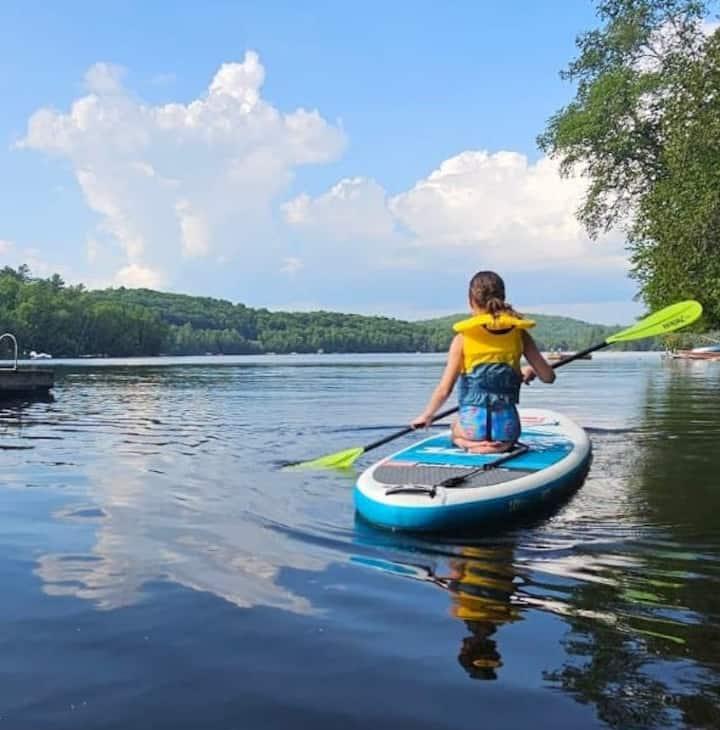
You do not need advanced techniques for your first outing, but a few basic skills can make a big difference.
Depending on the activity, practice:
- Getting on and off safely
- Holding and using the paddle correctly
- Moving forward
- Turning
- Stopping
- Maintaining balance
- Returning toward shore
- Recovering after losing balance or falling into the water
Practice these skills in a controlled environment before attempting longer trips or more difficult conditions.
If you are completely new to the activity, a beginner lesson or guided session can also help you learn basic techniques more efficiently.
Stay Close to Shore at First
Distance from shore can make a major difference when you are still learning.
During your first few outings, stay in an area where you can easily return to land if you become tired, uncomfortable, or confused.
There is no need to prove how far you can travel.
Instead, use your early trips to learn how your body responds to paddling, how the equipment moves, and how wind and water conditions affect your direction.
As your skills and confidence improve, you can gradually explore longer routes and different environments.
Tell Someone About Your Plans
Before heading out, let someone know where you are going and approximately when you expect to return.
For a simple outing, this can be as easy as sending a message with:
- Your starting location
- Your general route
- Who is going with you
- Your expected return time
For longer or more remote trips, provide more detailed information.
This simple habit can become especially important if your phone loses reception or something unexpected happens.
Bring a Few Essential Items
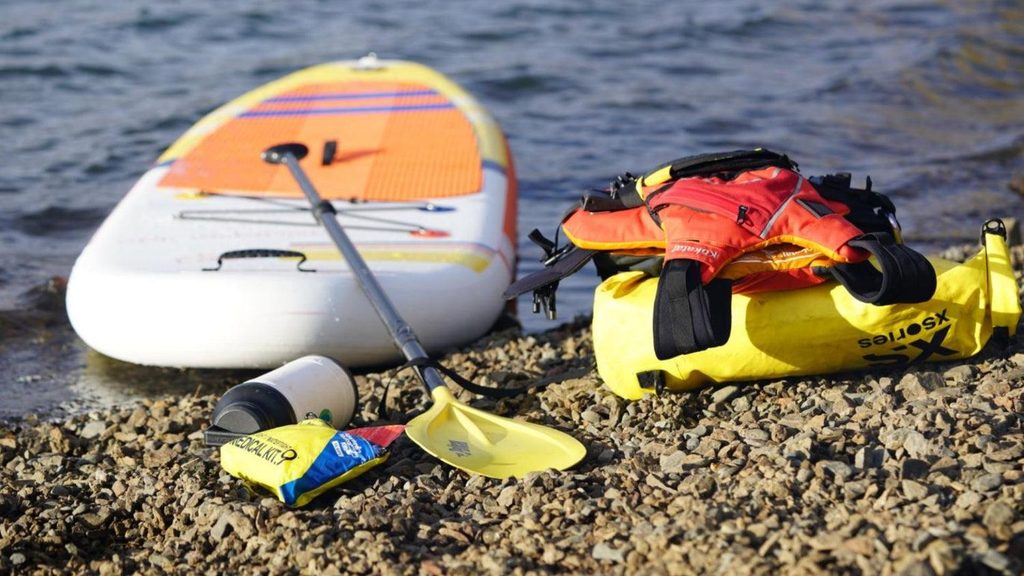
You do not need to carry a large amount of equipment for a short beginner outing, but a few essentials can make the experience safer and more comfortable.
Consider bringing:
- Properly fitted life jacket
- Drinking water
- Waterproof storage for important items
- Phone or communication device
- Whistle or other signaling device
- Sun protection
- Weather-appropriate clothing
- Small first-aid supplies
- Extra layer of clothing when appropriate
Keep important items secured so they do not easily disappear if the equipment tips or you unexpectedly enter the water.
Protect Your Phone and Other Valuables
Water and electronics do not mix well.
If you bring a phone, keys, wallet, or other small valuables, place them inside waterproof protection before getting on the water.
A waterproof pouch or dry bag can help keep essential items protected from splashes and unexpected immersion.
Avoid carrying unnecessary valuables. The fewer items you need to worry about, the easier it is to concentrate on the activity.
Know Your Limits
One of the most important beginner skills is knowing when to stop.
You may feel comfortable when you first start, but fatigue can gradually make paddling, balancing, and controlling your equipment more difficult.
Pay attention to:
- Unusual tiredness
- Difficulty maintaining balance
- Muscle fatigue
- Increasing wind
- Changing waves
- Stronger currents
- Sudden weather changes
- Feeling uncomfortable or uncertain
Do not wait until you are completely exhausted before heading back.
A successful beginner outing does not need to push your limits. It should leave you feeling comfortable enough to want to go out again.
Avoid Unnecessary Risk
Water sports are meant to be enjoyable, but the environment should always be respected.
Avoid entering conditions that are clearly beyond your current abilities.
For beginners, this generally means avoiding:
- Strong currents
- Rough waves
- Severe weather
- Thunderstorms
- Heavy boat traffic
- Unfamiliar remote areas
- Water conditions that exceed your experience
More challenging environments can be explored later after gaining the appropriate skills and experience.
Respect Other People and the Environment
Waterways are shared spaces.
Be aware of other paddlers, swimmers, boats, anglers, and people using the shoreline. Maintain enough space to avoid unnecessary conflicts or dangerous situations.
It is also important to protect the environment you are visiting.
Avoid leaving trash behind, disturb wildlife as little as possible, and follow local access rules and restrictions.
Good outdoor habits help keep waterways enjoyable for everyone.
A Simple Beginner Water Sports Checklist
Before leaving home, use this quick checklist:
Equipment
- Appropriate watercraft or equipment
- Paddle or required accessories
- Properly fitted life jacket
- Communication device
- Waterproof storage
Clothing
- Weather-appropriate clothing
- Water-appropriate layers
- Sun protection
- Comfortable footwear when needed
Safety
- Weather checked
- Wind and water conditions checked
- Route selected
- Someone knows your plans
- Emergency essentials packed
Before Launching
- Equipment inspected
- Life jacket secured
- Conditions still suitable
- Everyone understands the basic plan
Common Beginner Mistakes
Many problems can be avoided by keeping your first outings simple.
Going Too Far
Trying to travel a long distance on your first trip can create unnecessary fatigue.
Start with a short route and gradually increase the distance as you become more comfortable.
Ignoring Wind
A calm-looking body of water can become much harder to navigate when wind increases.
Always consider the direction of the wind and how difficult the return journey could become.
Wearing the Wrong Clothing
Dressing only for the air temperature can be a mistake when the water is cold.
Think about what would happen if you fell into the water and prepare accordingly.
Bringing Too Much Equipment
Extra equipment can create clutter and make the activity more complicated.
Start with the essentials and add equipment only when you understand why you need it.
Trying Difficult Conditions Too Soon
Strong currents, waves, and open-water environments require additional skills.
Build experience gradually instead of jumping directly into challenging conditions.
Make Your First Trip Simple
Your first water sports adventure does not need to be dramatic.
Choose a calm location, use suitable equipment, wear a properly fitted life jacket, check the weather, and keep the route short.
Spend your first few sessions learning how your equipment behaves and becoming comfortable on the water.
As your confidence grows, you can gradually explore longer distances, different waterways, and new types of water sports.
The goal is not to become an expert in one day. The goal is to build enough experience to enjoy the water safely and confidently.
Final Thoughts
Water sports can turn an ordinary outdoor day into a memorable adventure.
Whether you are interested in kayaking, paddleboarding, canoeing, or another activity, the best place to begin is with simple preparation.
Choose conditions that match your current abilities, use appropriate safety equipment, pay attention to the weather, and give yourself time to learn.
Start small, stay aware, and let your skills grow naturally.
The more comfortable you become on the water, the more opportunities you will have to explore new places and discover the many ways to enjoy life outdoors.