

A weekend getaway can be a great way to take a break without planning a long vacation.
Because the trip is short, however, good planning becomes even more important. Trying to visit too many places can turn a relaxing weekend into a race against the clock.
The best weekend trips usually have a simple structure. Choose a destination that fits the available time, decide what you really want to experience, organize transportation and accommodation, and leave enough flexibility for unexpected changes.
This guide explains how to plan a weekend getaway that feels enjoyable rather than rushed.
Start With the Time You Actually Have
Before choosing a destination, look at the amount of usable travel time.
A weekend trip may sound like two or three full days, but transportation can take away a significant part of that time.
Consider:
- When you can leave
- When you need to return
- Travel time in both directions
- Check-in and check-out times
- Local transportation time
- Time needed for meals and rest
For example, a destination that takes several hours to reach may leave you with very little time to explore if you only have one full day available.
A closer destination may provide a better experience simply because you spend more of the weekend enjoying the place.
Choose the Right Type of Destination

Not every destination works equally well for a short trip.
For a weekend getaway, consider destinations that offer several enjoyable experiences within a relatively compact area.
Good options can include:
- Coastal towns
- Mountain areas
- Small historic cities
- Countryside destinations
- Lakeside areas
- Cultural districts
- Nature-focused destinations
- Relaxing resort areas
The important factor is not how many attractions a destination has.
It is how easily you can enjoy the places that interest you within your available time.
Decide What You Want From the Trip
A weekend trip becomes easier to plan when you decide what kind of experience you want.
You might want:
A Relaxing Weekend
Focus on:
- Comfortable accommodation
- Scenic surroundings
- Good food
- Slow mornings
- Short walks
- Plenty of free time
An Active Weekend
Focus on:
- Hiking
- Cycling
- Water activities
- Outdoor sightseeing
- Longer walks
- Nature experiences
A Cultural Weekend
Focus on:
- Museums
- Historic areas
- Local neighborhoods
- Markets
- Architecture
- Cultural attractions
A Food-Focused Weekend
Focus on:
- Local specialties
- Markets
- Cafes
- Restaurants
- Food districts
- Regional products
You do not need to choose only one style, but having a primary goal helps prevent your itinerary from becoming overloaded.
Research the Destination Before Booking
Once you have selected a general destination, learn how the area is organized.
Look at:
- Main attractions
- Neighborhoods
- Transportation options
- Typical travel times
- Accommodation areas
- Opening hours
- Weather patterns
- Local events
- Areas that are especially busy
Official tourism resources can be useful starting points because they often organize information by destination, transportation, attractions, accommodation, and suggested itineraries.
Do not try to research every possible attraction.
Instead, identify the places that are most relevant to the type of trip you want.
Pick a Convenient Place to Stay
Accommodation location can make a major difference during a short trip.
A hotel or guesthouse that looks inexpensive may not actually save money if it requires long journeys to reach the places you want to visit.
When comparing accommodation locations, consider:
- Distance from major attractions
- Access to public transportation
- Walking conditions
- Nearby restaurants and shops
- Arrival and departure convenience
- Check-in and check-out times
- Parking if you are driving
For a short trip, convenience can be more valuable than staying in a location that is simply farther away and cheaper.
Build a Simple Itinerary
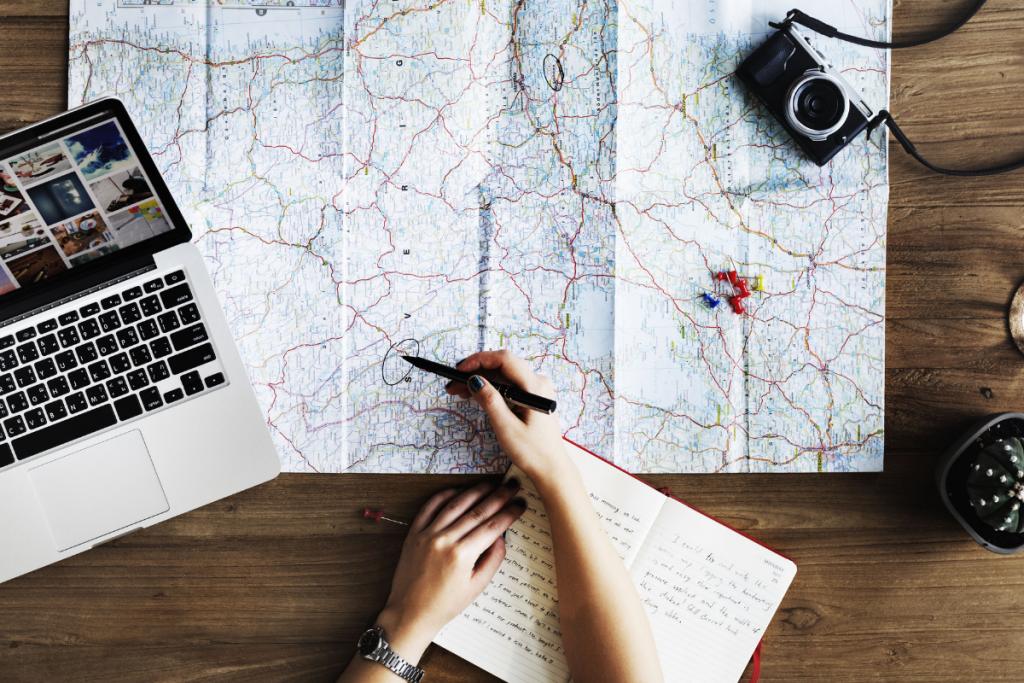
A good weekend itinerary should provide structure without filling every minute.
Start by choosing a few major activities.
For example:
Day 1
- Arrival
- Lunch
- Main attraction
- Local neighborhood walk
- Dinner
- Relaxed evening
Day 2
- Breakfast
- Outdoor or cultural activity
- Lunch
- Second major attraction
- Free time
- Dinner
Day 3
- Slow breakfast
- Short activity
- Final meal
- Departure
The exact schedule will depend on your destination, but the principle remains the same.
Choose a few important experiences rather than trying to collect as many attractions as possible.
Group Nearby Places Together
One of the easiest ways to make a short trip more efficient is to organize activities by location.
Instead of traveling across a city several times in one day, look for attractions that are close to each other.
For example:
Morning: Historic district
Lunch: Nearby local restaurant
Afternoon: Museum or market in the same area
Evening: Walk around a nearby neighborhood
This reduces unnecessary transportation and gives you more time to experience the destination.
Leave Space Between Activities
Avoid creating an itinerary where every hour is already assigned.
Unexpected delays can happen because of:
- Traffic
- Crowded transportation
- Long lines
- Weather
- Finding food
- Getting lost
- Attraction delays
- Simply wanting to spend more time somewhere
A little empty space makes the entire trip more comfortable.
If an activity takes longer than expected, you can adjust the rest of the day without abandoning the entire schedule.
Check Opening Hours and Reservations
Before leaving, check whether important attractions require reservations or have limited operating hours.
This is especially important for:
- Popular attractions
- Special exhibitions
- Guided activities
- Tours
- Restaurants
- Transportation
- Seasonal attractions
Do not assume that a place will be open simply because it normally operates on that day.
Schedules can change depending on holidays, seasons, maintenance, or special events.
Plan Transportation Before the Trip
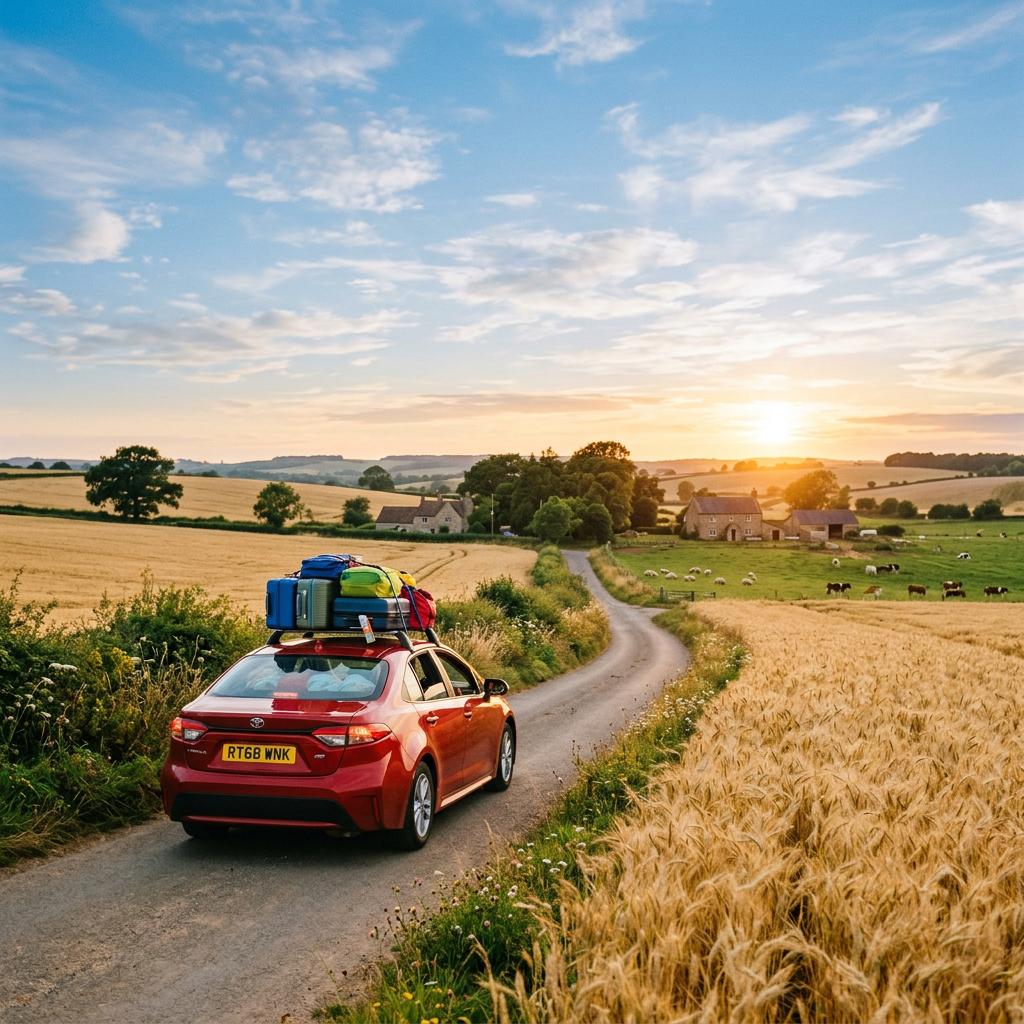
Transportation planning does not need to be complicated.
You simply need to understand how you will move between the major points of the trip.
Check:
- How you will reach the destination
- How you will get from the station or airport to your accommodation
- Local public transportation
- Walking distances
- Taxi availability
- Parking options if driving
- The approximate travel time between major activities
If you are driving, also consider fuel, parking, tolls, and traffic.
If you are using public transportation, identify the main routes before leaving so you do not spend too much time figuring everything out after arrival.
Pack for the Actual Weather
Short trips make overpacking particularly unnecessary.
Check the expected weather before you leave and pack according to the activities you have planned.
A basic weekend packing list might include:
- Comfortable everyday clothing
- Underwear and socks
- Comfortable shoes
- Light jacket
- Weather protection
- Personal toiletries
- Phone and charging equipment
- Identification and travel documents
- Necessary medication
- Reusable water bottle
- Small day bag
If outdoor activities are included, add clothing and equipment appropriate for those activities.
Avoid packing items simply because you might possibly need them.
Prepare for Changing Weather
Weather can have a major effect on a short trip.
If you only have two or three days, bad weather can affect a large part of your available travel time.
Before leaving, check:
- Temperature
- Rain
- Wind
- Weather changes throughout the day
- Conditions at higher elevations if relevant
It can also help to have a backup activity.
For example:
Good weather: scenic walk → outdoor attraction → viewpoint
Rainy weather: museum → market → local food experience
This gives you flexibility without requiring a completely new itinerary.
Set a Realistic Travel Budget
A weekend getaway can become more expensive than expected if you only consider transportation and accommodation.
Create a simple budget that includes:
- Transportation
- Accommodation
- Food
- Attraction fees
- Parking
- Local transportation
- Shopping
- Emergency expenses
You do not need to predict every expense exactly.
A rough estimate is enough to help you understand how much the trip may cost.
It is also useful to leave a small amount of extra room for unexpected expenses.
Keep Your Daily Route Practical
Look at your itinerary as a route rather than a list.
If your accommodation is on one side of the destination and your main attractions are on the other, repeated trips can waste valuable time.
Try to create a natural flow:
Accommodation → Morning activity → Lunch → Afternoon activity → Dinner → Accommodation
A practical route can make a short trip feel much longer because less time is spent moving between places.
Do Not Plan Every Meal
Food is an important part of travel, but planning every meal too far in advance can make your schedule unnecessarily rigid.
It can be useful to identify a few restaurants, markets, or local specialties you want to try.
Then leave some meals flexible.
You may discover a small local restaurant while walking through a neighborhood or decide to spend more time somewhere than expected.
Flexibility is part of the experience.
Give Yourself Time to Explore

Some of the most memorable travel experiences happen between planned attractions.
A quiet street, local market, small park, scenic viewpoint, or interesting neighborhood may not have been part of the original itinerary.
Do not be afraid to slow down.
A weekend trip does not need to feel like a checklist.
Sometimes spending an extra hour in one interesting area is more enjoyable than rushing to the next attraction.
Create a Simple Backup Plan
A backup plan is especially useful for short trips.
You do not need to prepare an alternative for everything.
Instead, identify one or two activities that can replace your main outdoor plans if conditions change.
For example:
Outdoor plan: hiking trail
Backup: local museum or cultural district
Beach plan: swimming and coastal walk
Backup: market, cafe district, or indoor attraction
Scenic drive: mountain route
Backup: nearby town or indoor cultural attraction
This keeps the trip moving even when your original plan does not work.
What to Do the Night Before
A short preparation session can make the first morning much easier.
Check:
- Weather forecast
- Transportation schedule
- Accommodation information
- Reservation details
- Identification
- Wallet and payment methods
- Phone battery
- Charging equipment
- Important addresses
- Basic itinerary
- Necessary clothing
Put frequently needed items somewhere easy to reach.
The goal is to avoid spending the first hour of your trip looking for things you forgot to prepare.
Common Weekend Getaway Mistakes
Trying to See Everything
More attractions do not necessarily create a better trip.
Too many activities can make the entire weekend feel rushed.
Choosing a Destination That Is Too Far Away
Long transportation times can consume a large part of a short vacation.
Ignoring Local Transportation
An attraction that looks close on a map may take much longer to reach than expected.
Booking Accommodation Without Checking the Location
A low room price may not be useful if transportation becomes expensive or inconvenient.
Creating a Minute-by-Minute Schedule
Small delays can quickly disrupt an overly detailed itinerary.
Packing Too Much
A heavy suitcase can make moving between accommodations and transportation much harder.
Forgetting Free Time
Rest is part of a successful getaway.
A Simple Weekend Getaway Planning Checklist
Before Booking
- Decide how much time you have
- Choose the type of trip
- Select a suitable destination
- Estimate transportation time
- Set a basic budget
Before Leaving
- Book accommodation
- Arrange major transportation
- Check attraction hours
- Make necessary reservations
- Check the weather
- Prepare a simple itinerary
- Create a backup plan
Before Departure
- Pack appropriate clothing
- Check travel documents
- Charge devices
- Prepare payment methods
- Confirm accommodation details
- Check transportation information
A Simple Formula for a Better Weekend Trip
You can keep the entire planning process simple:
Choose less → group nearby activities → leave extra time → prepare for weather → stay flexible
This approach allows you to experience more without constantly worrying about the clock.
A weekend getaway does not need to include a long list of attractions.
It needs a destination that fits your available time and an itinerary that leaves room to enjoy it.
Final Thoughts
Planning a weekend getaway is mostly about making smart choices before you leave.
Choose a destination that matches your available time, focus on a few experiences that genuinely interest you, stay somewhere convenient, and create a flexible itinerary.
Do not try to fill every hour.
A relaxed breakfast, an unexpected discovery, a slow walk through a new neighborhood, or an extra hour enjoying a scenic location can become some of the best parts of the trip.
The goal of a weekend getaway is not to see everything.
It is to step away from your normal routine, experience somewhere different, and return home feeling that the short trip was worth the time.