
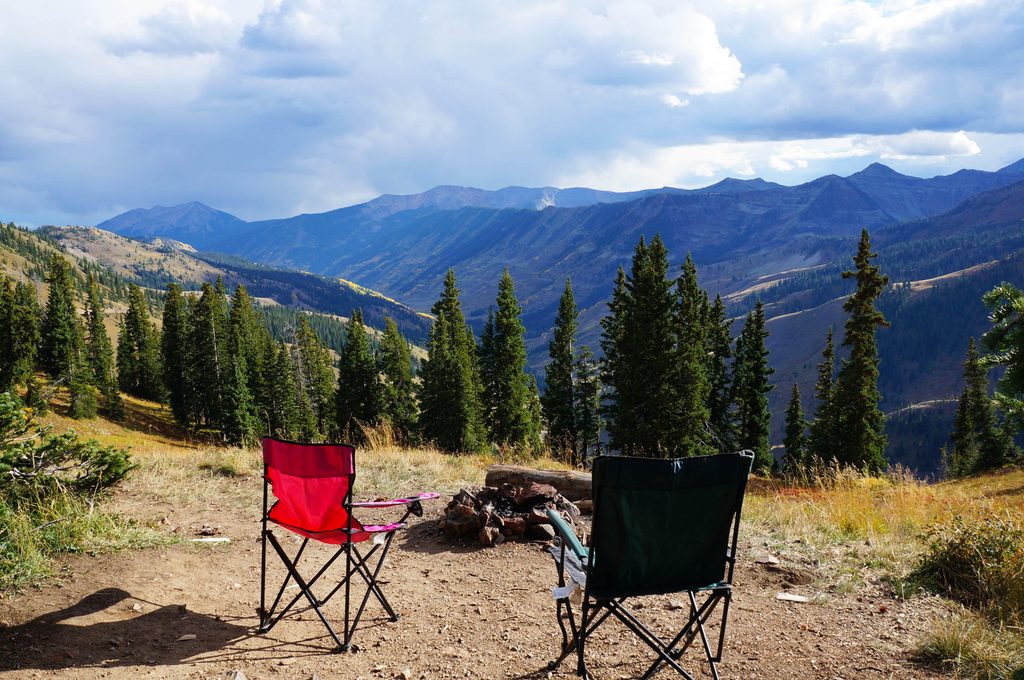
A camping chair may not seem like essential camping gear, but once you spend a few hours sitting around a campsite, you’ll quickly understand why a good chair matters.
The problem is that camping chairs come in many different shapes and sizes.
Some are lightweight and easy to carry. Others are large, heavily padded, and designed for maximum comfort. Some are made for backpacking, while others are better suited for car camping and family trips.
So how do you choose the right one?
The best camping chair isn’t necessarily the biggest, most expensive, or most feature-packed model.
It’s the one that matches your camping style, transportation, comfort needs, and budget.
In this beginner’s guide, we’ll explain what to look for when choosing a camping chair, including size, height, weight, portability, materials, comfort, durability, and useful features.
Do You Really Need a Camping Chair?
No, a camping chair isn’t absolutely necessary.
You can sit on a log, a picnic bench, a camping table, or even the ground.
But a good chair can make your campsite much more comfortable.
A camping chair gives you a dedicated place to:
- Eat meals
- Drink coffee
- Relax after hiking
- Sit around a campfire
- Read a book
- Socialize with friends
- Watch the sunset
- Spend time at the campsite
If you spend several hours at camp, comfort becomes much more important.
For many car campers, a camping chair is one of the first comfort items worth adding to their gear setup.
What Makes a Good Camping Chair?
A good camping chair should balance several factors.
The most important ones are:
- Comfort
- Size
- Weight
- Portability
- Stability
- Durability
- Weight capacity
- Materials
- Setup
- Packed size
- Price
You don’t need the best possible performance in every category.
Instead, think about which factors matter most for your type of camping.
Choose a Chair Based on Your Camping Style
Your camping style should influence your choice more than anything else.
Car Camping

If you’re driving directly to your campsite, you have more freedom to choose a larger and more comfortable chair.
You can consider:
- Larger seats
- Higher backs
- Extra padding
- Armrests
- Cup holders
- Reclining features
- Footrests
Weight is usually less important because you’re transporting the chair in your vehicle.
Backpacking
Backpacking is different.
Every ounce matters when you’re carrying your equipment for miles.
A backpacking chair should generally be:
- Lightweight
- Compact
- Easy to pack
- Quick to set up
Some backpackers even choose a lightweight sitting pad instead of a traditional chair.
Family Camping
Families may want chairs that are:
- Comfortable
- Durable
- Easy to set up
- Easy to clean
- Stable
If children will be using the chairs, stability can be especially important.
Camping Chair Height
Chair height is often overlooked.
Different heights work better for different people and situations.
Low Camping Chairs
Low chairs sit close to the ground.
They can be comfortable for relaxing around a campfire, but they may be harder to get in and out of.
They’re often useful for casual lounging.
Standard Camping Chairs
Standard-height chairs are the most versatile option.
They’re generally comfortable for:
- Eating
- Relaxing
- Sitting around a fire
- Using a camping table
For many beginners, a standard-height chair is the easiest place to start.
High Camping Chairs
Higher chairs can be easier to get in and out of.
They’re useful for campers who prefer a more upright seating position or want a chair that works well with a standard-height table.
The important thing is matching the chair height to how you plan to use it.
How Wide Should a Camping Chair Be?
Seat width affects comfort significantly.
A narrow chair may save space, but a wider seat can provide much more room to relax.
Think about:
- Your body size
- How you like to sit
- Whether you’ll use the chair for several hours
- Whether you want room to move around
If you’re shopping online, check the actual seat dimensions instead of relying only on product photos.
A chair can look large in a photograph but feel surprisingly narrow in person.
Check the Weight Capacity
Always check the manufacturer’s stated weight capacity.
Don’t choose a chair based only on appearance.
A chair should comfortably support the intended user without being pushed to its maximum capacity.
It’s also important to remember that weight capacity is only one part of overall stability.
The frame, legs, joints, and ground conditions all affect how stable a chair feels.
How Much Should a Camping Chair Weigh?
The ideal weight depends on how you’ll transport it.
For car camping, weight usually isn’t a major concern.
A heavier chair may actually provide:
- More padding
- A larger frame
- Better stability
- More comfortable armrests
- Additional features
For backpacking, however, a heavy chair can become a problem.
If you’re carrying your entire setup on your back, a lightweight chair or sitting pad may make much more sense.
Packed Size Matters Too
Weight isn’t the only thing to consider.
A chair that weighs reasonably little can still be inconvenient if it takes up a lot of space.
Check the packed dimensions before buying.
This is especially important if you’re:
- Driving a small car
- Traveling with several people
- Packing lots of camping equipment
- Flying with camping gear
- Backpacking
For car camping, a larger packed size is usually easier to manage.
Folding vs Compact Camping Chairs
Most traditional camping chairs fold into a relatively compact shape.
They’re usually:
- Easy to set up
- Comfortable
- Affordable
- Widely available
Compact chairs are designed to take up less space.
Some use lightweight frames and smaller seats.
The trade-off is often comfort.
A very compact chair may be convenient to carry but less comfortable for long periods.
Camping Chair Materials
Camping chairs commonly use materials such as aluminum, steel, and synthetic fabrics.
Aluminum Frames
Aluminum is popular because it is:
- Lightweight
- Resistant to rust
- Easy to transport
It’s especially useful when weight matters.
Steel Frames
Steel frames are often heavier but can provide a strong and sturdy feel.
They’re a common choice for car camping where weight isn’t a major concern.
Fabric
The seat and back may use materials such as polyester, nylon, or other synthetic fabrics.
Look for fabric that feels durable and is appropriate for outdoor use.
A breathable fabric can also be helpful during hot weather.
Comfort Matters More Than You Think
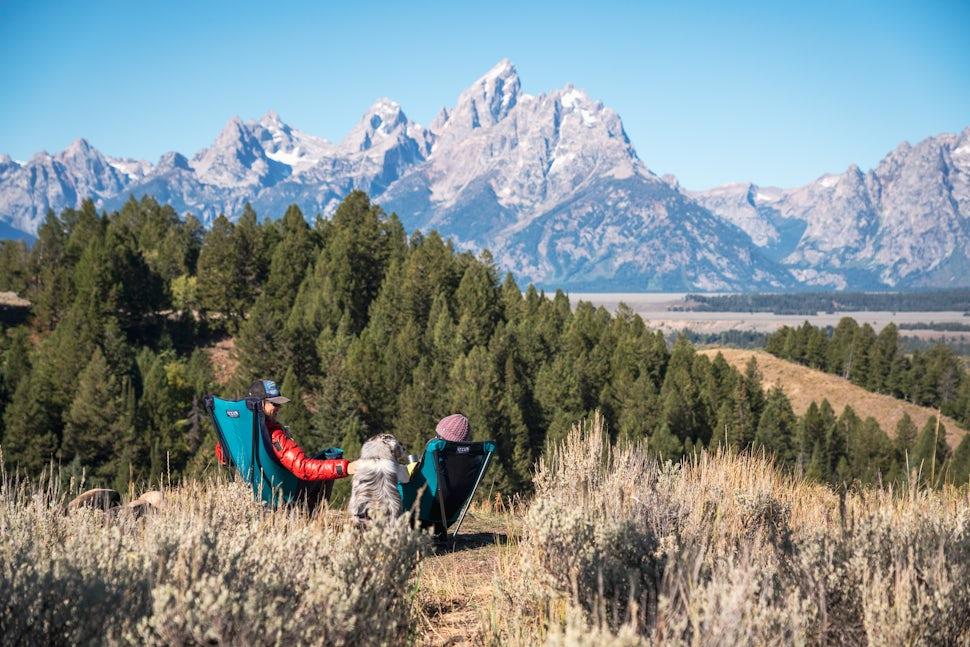
Camping chairs are designed for sitting for extended periods.
That means comfort should be one of your top priorities.
Consider:
- Seat width
- Seat depth
- Back height
- Padding
- Armrest position
- Lumbar support
- Reclining angle
A chair that looks impressive isn’t necessarily comfortable for your body.
If possible, try a chair in person before buying it.
If you’re shopping online, pay close attention to dimensions and reviews.
Do You Need Padding?
Padding can make a chair more comfortable, especially during long evenings at camp.
However, padded chairs tend to be:
- Heavier
- Larger
- More expensive
- Harder to pack
If you’re car camping, these disadvantages may not matter much.
If you’re backpacking, they can matter a lot.
Do You Need a Cup Holder?
A cup holder is a small feature, but it’s surprisingly useful.
It gives you an easy place to keep:
- Water
- Coffee
- Soft drinks
- Other beverages
You don’t need one, but it’s a convenient feature for relaxed car camping.
What About Armrests?
Armrests can make a major difference in comfort.
They’re especially useful when sitting for long periods.
Look for armrests that are:
- Wide enough
- Comfortable
- Properly positioned
- Durable
However, armrests can also make a chair bulkier.
Again, think about whether comfort or portability is more important for your trip.
Reclining Camping Chairs
Some camping chairs allow you to recline.
These can be excellent for:
- Relaxing
- Reading
- Watching the sunset
- Taking a nap
The trade-off is that reclining mechanisms can add weight, complexity, and packed size.
For simple camping, you may not need one.
For relaxed car camping, however, a reclining chair can be a great comfort upgrade.
Do You Need a Footrest?
Some larger camping chairs include built-in or removable footrests.
They’re designed more for relaxation than for eating at a table.
A footrest can be nice if you spend long periods sitting at camp, but it isn’t an essential feature for beginners.
Stability Is Important
A camping chair should feel stable when you sit down and move around.
Look at:
- Leg design
- Frame construction
- Foot size
- Ground contact
- Overall width
Soft or uneven ground can make almost any chair feel less stable.
Always place your chair on reasonably firm ground when possible.
Avoid setting a chair on unstable edges, steep slopes, or areas where it could tip easily.
Consider the Ground Where You’ll Camp
Your camping environment can influence the type of chair you need.
Developed Campgrounds
Most standard camping chairs work well.
Sandy Areas
Wider feet can help prevent the chair from sinking into soft ground.
Uneven Ground
A stable frame and good leg design become more important.
Backyard Camping
You can prioritize comfort because portability usually isn’t a major concern.
How Durable Should a Camping Chair Be?
Durability depends on how often you camp.
If you only camp once or twice a year, you may not need a premium chair.
If you camp every weekend, durability becomes much more important.
Look for:
- Strong frame construction
- Durable fabric
- Reinforced stress points
- Quality stitching
- Reliable folding mechanisms
Keep in mind that even a durable chair can wear out if it’s constantly exposed to rain, dirt, and improper storage.
How to Take Care of Your Camping Chair
A little maintenance can extend the life of your chair.
After a trip:
- Remove dirt and debris.
- Wipe down the frame.
- Let wet fabric dry completely.
- Check for damaged stitching.
- Inspect the joints and legs.
- Store the chair in a dry place.
Don’t pack a wet chair into a storage bag and leave it there.
Moisture can lead to unpleasant odors, mildew, and material damage.
Camping Chair vs Regular Outdoor Chair
You might wonder whether you can simply bring a regular patio chair.
You can, but camping chairs are designed with portability in mind.
Camping chairs typically:
- Fold
- Pack relatively small
- Have lightweight frames
- Are easier to transport
- Are designed for outdoor use
A patio chair may be comfortable but can be difficult to transport to a campsite.
How Much Should You Spend on a Camping Chair?
You don’t necessarily need to spend a lot.
Basic camping chairs can be affordable and perfectly suitable for occasional camping.
More expensive chairs may offer:
- Better materials
- More comfortable padding
- Stronger frames
- Better ergonomics
- Reclining features
- Longer-term durability
For beginners, focus on the features you’ll actually use.
There’s little reason to pay extra for features you don’t need.
Common Camping Chair Mistakes
1. Choosing Based Only on Price
The cheapest chair may not be comfortable or durable enough.
2. Ignoring Weight Capacity
Always check the manufacturer’s specifications.
3. Buying a Chair That’s Too Large
A huge chair can become annoying if your vehicle has limited cargo space.
4. Buying a Chair That’s Too Small
Saving space isn’t worth it if you can’t sit comfortably.
5. Forgetting Packed Dimensions
Always check how large the chair is when folded.
6. Choosing Too Many Features
Reclining systems, footrests, oversized frames, and other features can add weight and bulk.
7. Ignoring Your Camping Style
A backpacking chair and a car camping chair have very different priorities.
A Simple Beginner Camping Chair Setup
If you’re new to camping and mostly go car camping, you don’t need anything complicated.
A practical beginner chair should have:
- Standard height
- Comfortable seat
- Supportive back
- Stable frame
- Reasonable weight
- Folding design
- Cup holder
- Durable fabric
That’s enough for most casual camping trips.
You can upgrade later if you discover that you want more padding, reclining, a footrest, or a larger seat.
Camping Chair Buying Checklist
Before buying a camping chair, check:
- Seat width
- Seat height
- Seat depth
- Back height
- Weight capacity
- Chair weight
- Packed size
- Frame material
- Fabric material
- Stability
- Armrests
- Cup holder
- Padding
- Reclining function if needed
- Footrest if needed
- Price
- Recent customer reviews
The Best Camping Chair Is the One That Fits Your Trip
There isn’t one camping chair that’s perfect for everyone.
A backpacker may want the lightest possible chair.
A car camper may prefer a large padded chair with a high back and cup holder.
A family may prioritize durability and stability.
Someone who spends hours around a campfire may care more about comfort than packed size.
That’s why your camping style should be the starting point.
Final Thoughts
Choosing a camping chair doesn’t have to be complicated.
Start by deciding how you’ll use it.
If you’re car camping, prioritize comfort, stability, and features you enjoy. If you’re backpacking, focus much more on weight and packed size.
Pay attention to the chair’s dimensions, weight capacity, materials, stability, and overall construction.
Most importantly, don’t buy more chair than you need.
A simple, comfortable, durable camping chair can be all you need to make long evenings at the campsite much more enjoyable.
Once you find a chair that fits your camping style, you’ll probably wonder how you ever camped without one.